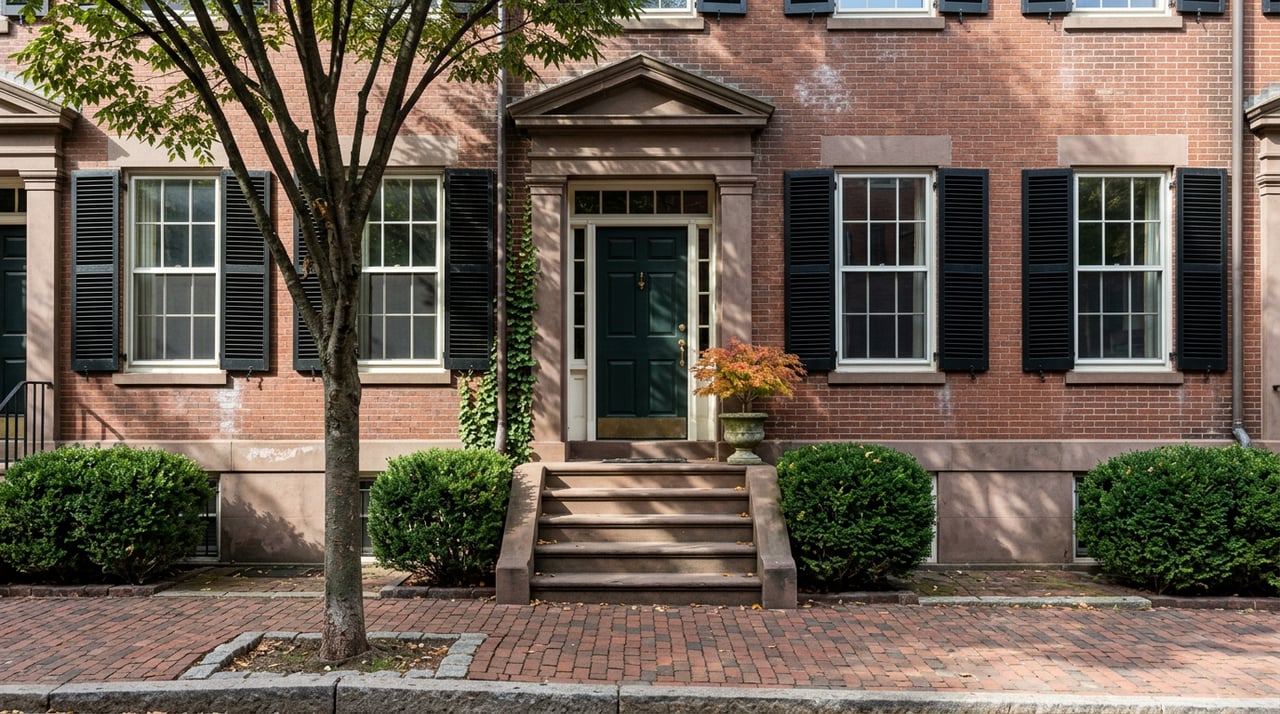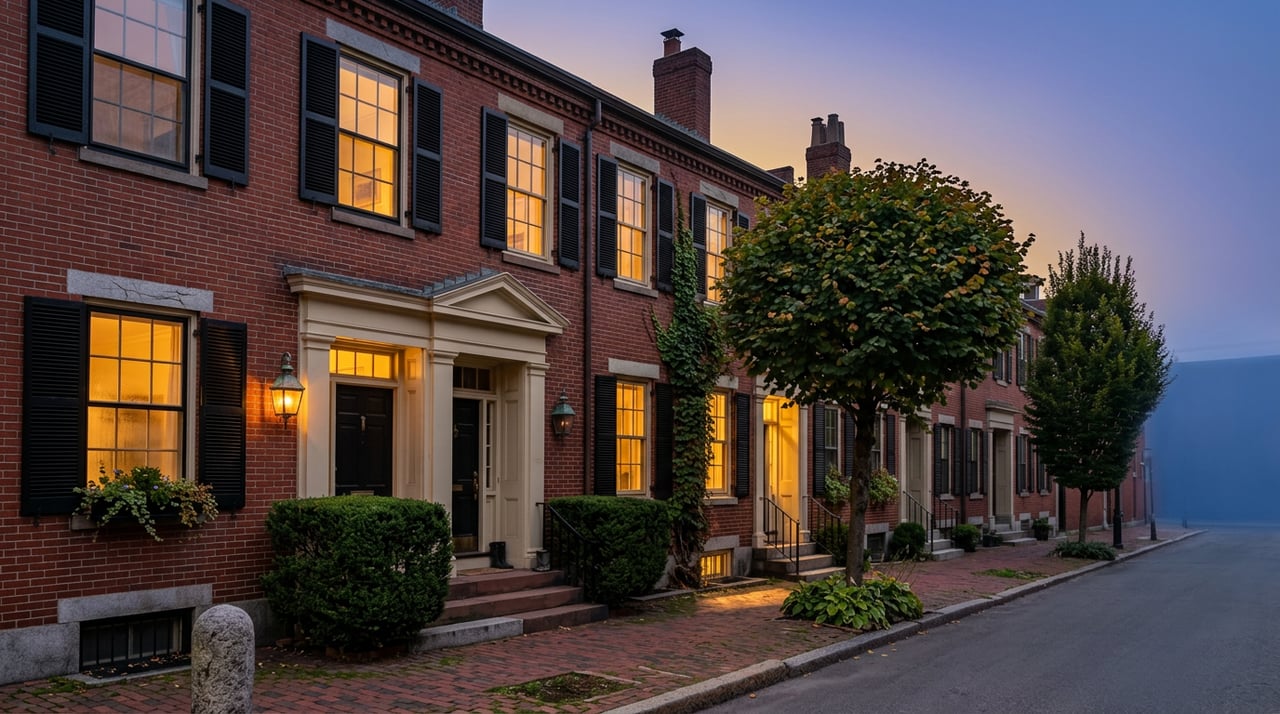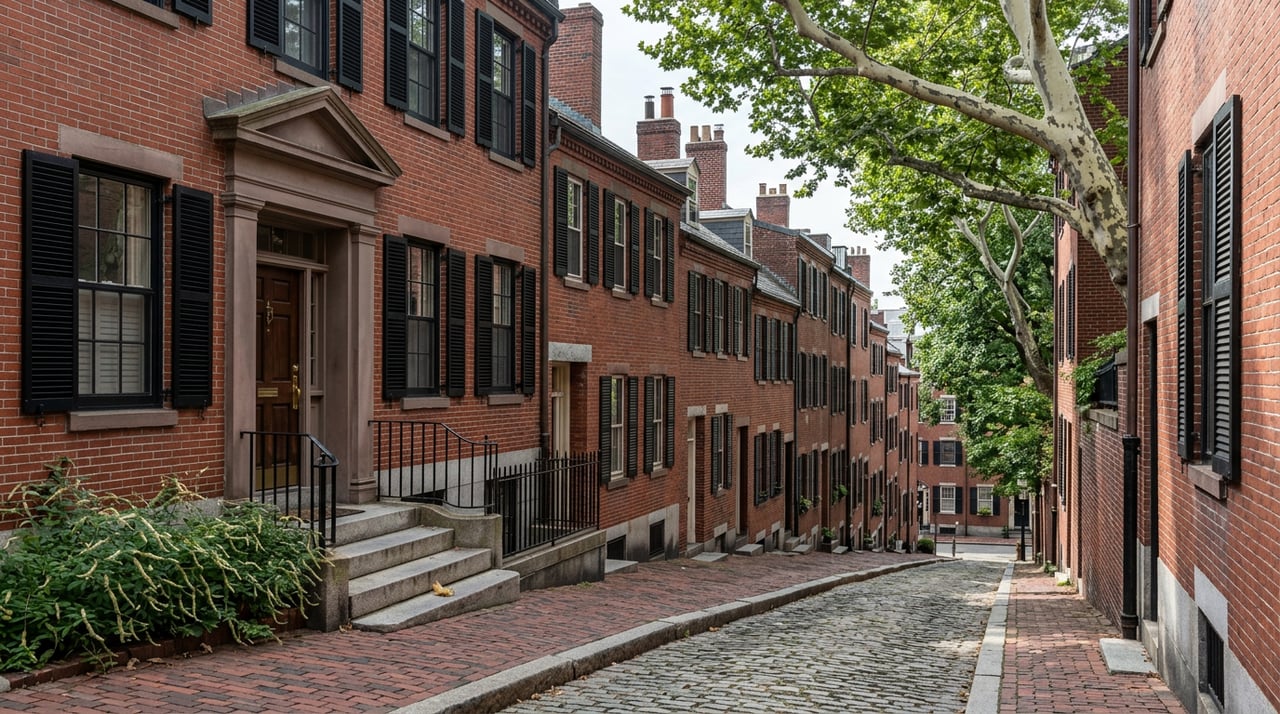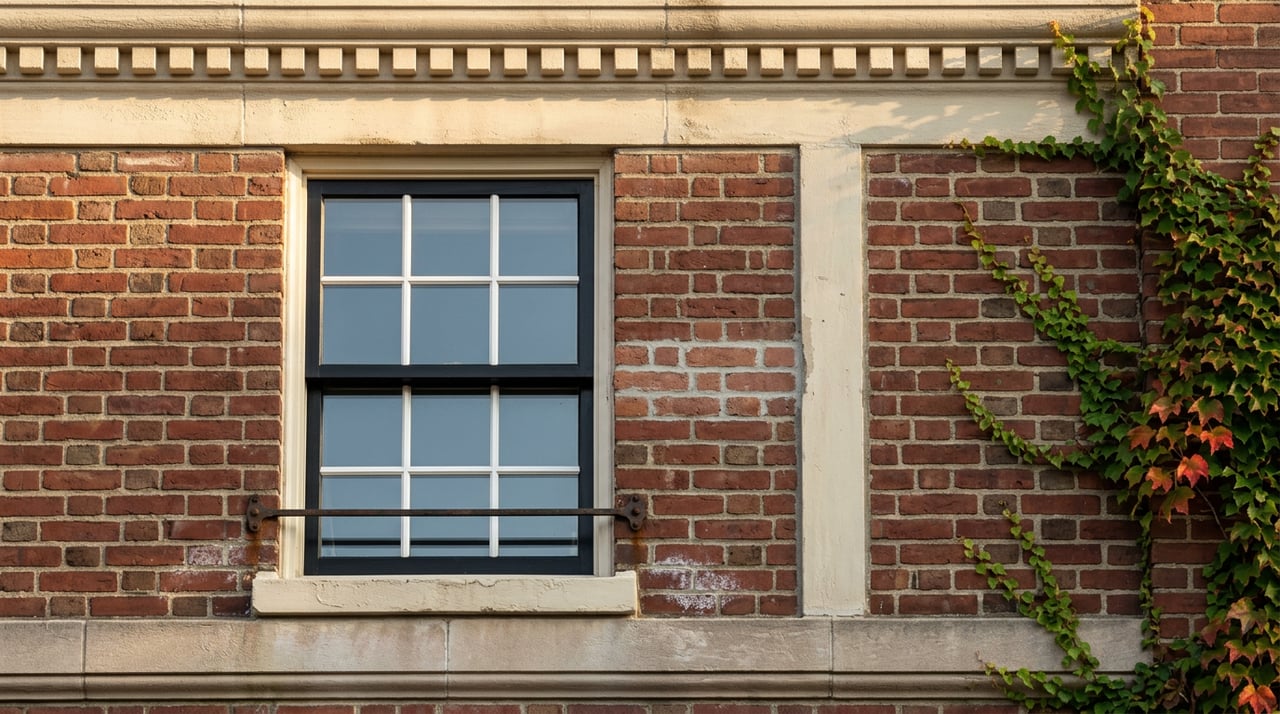
A brownstone conversion on Beacon Street lists at $711 a month in dues. A unit at One Dalton lists at $3,673. On paper, the brownstone looks like the better deal. In practice, the number that looks cheaper is often the one you know the least about.
That gap is not a coincidence of building age. It is the predictable result of how Massachusetts law treats condo disclosure, how small associations fund their reserves, and how Boston's own inspection paperwork works. None of it shows up in the listing sheet. All of it shows up eventually, usually as a special assessment notice arriving after closing rather than before.
The Bill Nobody Has to Send You
Massachusetts is what real estate attorneys call a caveat emptor state. Sellers are not required to fill out a standard disclosure form, and the handful of mandatory disclosures on the books cover lead paint and septic systems, not building finances. A seller who already knows the association is facing a six-figure masonry repair is under no statutory obligation to volunteer that fact, as long as they are not acting in what the law defines as "trade or commerce." If a buyer or their agent asks a direct question, the seller has to answer honestly. If nobody asks, the silence is legal.
This matters more in a brownstone than in a tower, and here is the mechanism worth sitting with: full-service buildings like One Dalton and The Clarendon carry professional management, formal reserve studies, and staff whose job includes tracking capital plans years in advance. A four-unit conversion on Marlborough Street often has none of that. It has a volunteer board, a bank account, and whatever the last annual meeting decided to set aside. The paperwork trail that would tip off a careful buyer exists in theory. Whether it gets handed over depends entirely on who asks and when.
Two Buildings, Two Very Different Bills
Listed dues from recent Back Bay condo sales make the contrast concrete:
| Building | Unit type | Monthly HOA dues |
|---|---|---|
| 457 Beacon Street | 2-level condo, 1,188 sq ft, private backyard, transferable parking | $290 |
| 481 Beacon Street | 2-bed, 1-bath, 820 sq ft | $711 |
| The Clarendon | Full-service tower | $2,047 |
| One Dalton | Four Seasons Private Residences | $3,673 |
The spread is not about square footage. It is about what the fee is funding. Tower dues bundle doorman staffing, elevator service contracts, garage operations, and reserve contributions that are usually modeled years out. Brownstone dues cover far less because there is far less staff and far less formal budgeting to fund. The building still has a roof, a facade, and a boiler that will eventually need six figures of work. The question is only whether the association has been saving for it or whether the bill is going to land on whoever owns the unit when the invoice comes due.
Why the Small Building Is the Blind Spot
Massachusetts sets no statewide minimum reserve requirement for condo associations. A three-unit or four-unit conversion can legally run its reserve account at whatever level its board decides, and self-managed boards without a professional reserve study frequently underfund it, not out of neglect but because nobody on a volunteer board is running a fifteen-year capital forecast on the side.
The Back Bay Architectural Commission's own hearing record shows how often this catches up with owners. In hearings held through 2026, the docket includes active facade restoration at 250 Beacon Street covering repointing, terra cotta repair, and metalwork restoration, full window replacement at 330 Beacon Street, and masonry repair and repointing at addresses on Marlborough Street and Commonwealth Avenue in the same cycle. One February 2026 hearing carried a violation for unapproved masonry repairs completed at a front facade before the commission had signed off, the kind of enforcement note that shows up only when someone tried to do the work quietly and got caught. These are not hypothetical costs. They are line items moving through public hearings right now, on buildings that look, from the street, exactly like the one you might be underwriting an offer on.
The Paper Trail Exists. It Just Isn't Yours by Default.
Boston condo buildings are required to have their facades and fire escapes inspected roughly every five years by a private engineer, who certifies the results to the city's Inspectional Services Department. That inspection report is a real document. It exists in a file somewhere. But its existence does not translate into an automatic right for a buyer to see it before making an offer. It has to be requested, usually through the listing agent or the association's management, and a small self-managed building can take considerably longer to produce it than a professionally staffed tower where the file is already organized.
This is the part of the transaction that rewards patience over urgency. A buyer moving quickly on a competitively priced brownstone unit is the buyer least likely to have asked for the facade report, the reserve study, or two years of board minutes before the offer deadline.
What to Ask For Before You Write the Offer
The documents that actually tell you what a building's fee is not covering:
- The current operating budget and the two most recent years of financial statements
- A reserve study, if one exists, or a written explanation of why one does not
- Board meeting minutes from the past twelve to twenty-four months
- Any pending, recent, or discussed special assessment, in writing, from the association or its management
- The building's most recent facade and exterior inspection certification filed with Boston's Inspectional Services Department
- The master deed and bylaws, which govern how any future assessment gets allocated across units
None of this requires a seller's cooperation beyond a reasonable request. Most sellers and their agents will provide it once asked directly, because refusing to answer a direct question carries its own legal exposure. The risk is not that Back Bay sellers are hiding something. The risk is that Massachusetts law does not require them to bring it up first.
The Price You See Isn't the Price You Carry
Back Bay's entry-level brownstone units, the studios and small one-bedrooms that draw first-time buyers into the neighborhood, traded broadly in the $300,000 to $900,000 range earlier in 2026, with the overall neighborhood median condo sale price moving between roughly $1.2 million in January and $1.4 million by March of that year. Those numbers describe what a unit costs to buy. They say nothing about what it costs to own for the next decade, and that second number lives in the reserve account, not the listing price.
A brownstone with a thin reserve and no recent facade inspection on file is not automatically a bad purchase. Plenty of well-run small associations exist, and plenty of buyers happily trade a lower monthly fee for more square footage and more character. The point is not to avoid brownstones. It is to stop treating the dues line as a complete answer and start treating it as the beginning of a question.
A Few Direct Questions
Does a low HOA fee mean a building is cheaper to own overall? Not necessarily. A low fee often means fewer services and a smaller reserve, which can mean a larger special assessment later rather than a smaller monthly cost forever.
Is a Back Bay condo seller required to tell me about a pending special assessment? Not automatically. Massachusetts follows caveat emptor rules for real estate generally, and sellers who are not engaged in trade or commerce are not statutorily required to volunteer this information. Direct questions must be answered honestly, so the burden falls on the buyer to ask.
How do I find out if a building has open facade or masonry violations? Request the building's most recent facade inspection certification along with two years of board minutes, and check whether the property or association has appeared before the Back Bay Architectural Commission, whose hearing records are public.
Buying in Back Bay rewards the same instinct that buying anywhere in this neighborhood always has: read past the surface and ask what the building itself can tell you before you sign. If you are comparing a brownstone conversion against a full-service tower and want a second set of eyes on what the fee actually covers, Penney + Gould works this exact question with buyers every week. Work With Us.