If you are thinking about renovating in Beacon Hill, the market is sending a clear message: buyers still pay for beauty, but they are even more responsive to livability. In a neighborhood where historic character is part of the value, the wrong update can feel expensive and off-key. The good news is that recent sales and local review standards offer a useful roadmap for deciding what is worth doing, what needs restraint, and where thoughtful improvements can support resale. Let’s dive in.
Beacon Hill Is A Segmented Market
Beacon Hill does not behave like a one-price neighborhood. March 2026 data showed a median sale price of $1.16 million, 59 median days on market, and 21 closed sales in one data set, while another showed 70 homes for sale, a median listing price of $2.39 million, and a 93% sale-to-list ratio.
Those numbers are not directly comparable, but together they point to a market that is active and selective. Buyers are not rewarding generic luxury. They are comparing homes closely and weighing whether a renovation fits the type of property, the block, and the level of finish expected for that slice of Beacon Hill.
That matters because a compact condo, a floor-through, and a full townhouse do not compete on the same terms. A renovation strategy that helps one property stand out may do very little for another. In Beacon Hill, specificity tends to outperform broad upgrades that ignore the building’s original logic.
Buyers Want Character Plus Function
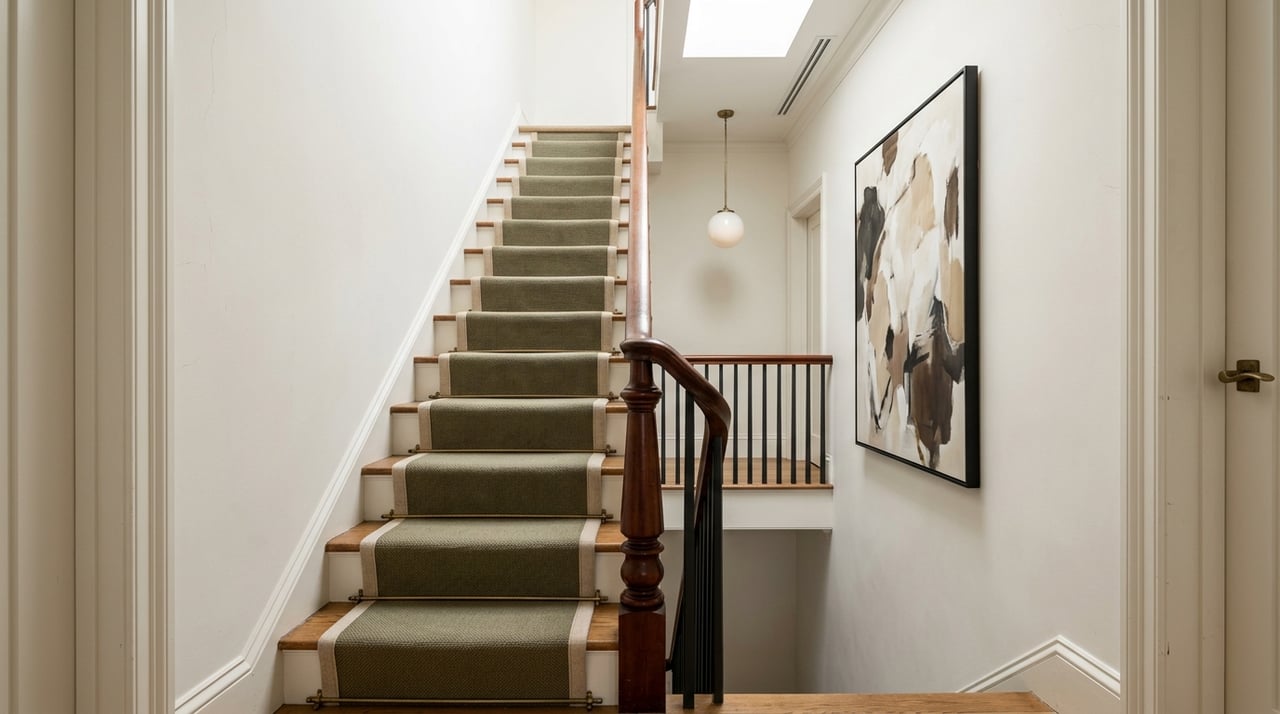
Recent sales suggest that buyers respond best when period detail and modern comfort are presented together. Listing language repeatedly highlights original moldings, built-ins, French doors, fireplaces, bay windows, staircases, clawfoot tubs, custom millwork, and high ceilings.
At the same time, buyers are clearly noticing the practical pieces of daily life. Central air, in-unit laundry, strong storage, updated HVAC, and smart-home controls appear again and again in marketed homes. The signal is not subtle: preserved character draws attention, but convenience helps close the gap between admiration and action.
For many Beacon Hill buyers, the ideal home does not feel newly invented. It feels carefully improved. The strongest renovation story is usually that the home lives better now without losing the visual language that made it desirable in the first place.
Kitchens Carry Outsized Weight
Kitchens are one of the clearest places where modernization shows up in value perception. Recent examples emphasized custom or gourmet kitchens, top-tier appliances, custom cabinetry, and layouts that support everyday use without overwhelming the architecture.
The best-performing kitchen updates appear restrained rather than theatrical. In Beacon Hill, quality materials, good proportions, and thoughtful storage tend to read better than highly stylized finishes that fight with historic interiors.
If you are choosing where to spend, this is often a strong category. A kitchen that feels polished, efficient, and architecturally in tune can improve both marketability and the buyer’s emotional response during showings.
Baths Should Feel Quietly Finished
Bathrooms matter for the same reason. Recent sales highlighted spa-like primary baths and refreshed marble baths, but not overly decorative schemes.
That is a useful distinction. Buyers seem to reward baths that feel calm, well-built, and easy to maintain. In a historic home, a bathroom often performs best when it feels elevated but not overly trend-driven.
Exterior Changes Require Discipline
In Beacon Hill, renovation planning is not just about taste or budget. It is also shaped by local historic review.
Boston states that the Historic Beacon Hill District was established in 1955 and expanded most recently in 2024. The Beacon Hill Architectural Commission reviews exterior work visible from a public way, including views from places such as Boston Common, the Public Garden, Storrow Drive, the Charles River Esplanade, and the Longfellow Bridge.
The city also instructs owners not to begin work or buy materials until approval is received. That alone should shape how you plan scope, timing, and contingencies.
What The Commission Tends To Favor
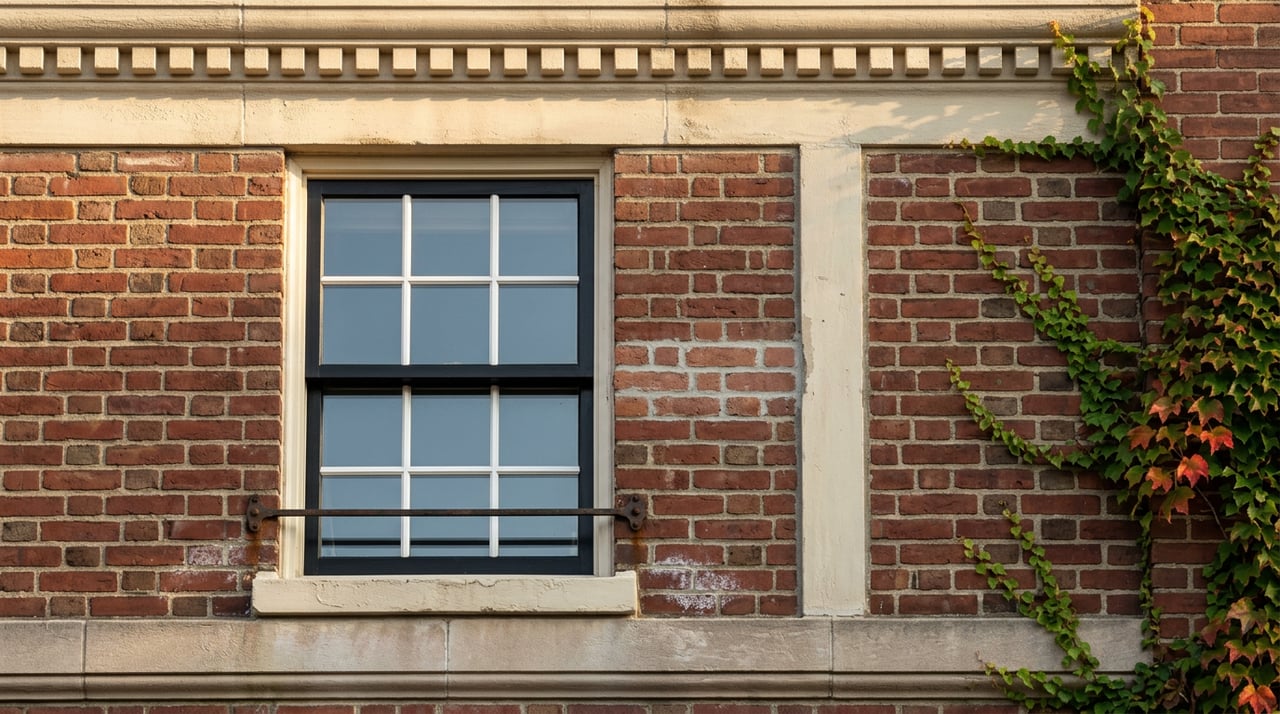
The district guidelines emphasize retention or in-kind replacement of historic elements. That includes windows, sash, shutters, doors, rooflines, ironwork, and masonry.
The standards also reject several common shortcuts. Vinyl-clad sash is not permitted, true divided lights are required, mirrored or tinted glass is not allowed, painted masonry is discouraged, and visible roof decks or deck enclosures are considered inappropriate. Mechanical equipment such as HVAC and solar installations must not be visible from a public way.
Recent approvals reinforce the same pattern. Good work is possible, but it tends to be careful, historically accurate, and visually quiet rather than attention-seeking.
Why Exterior Restraint Helps Resale
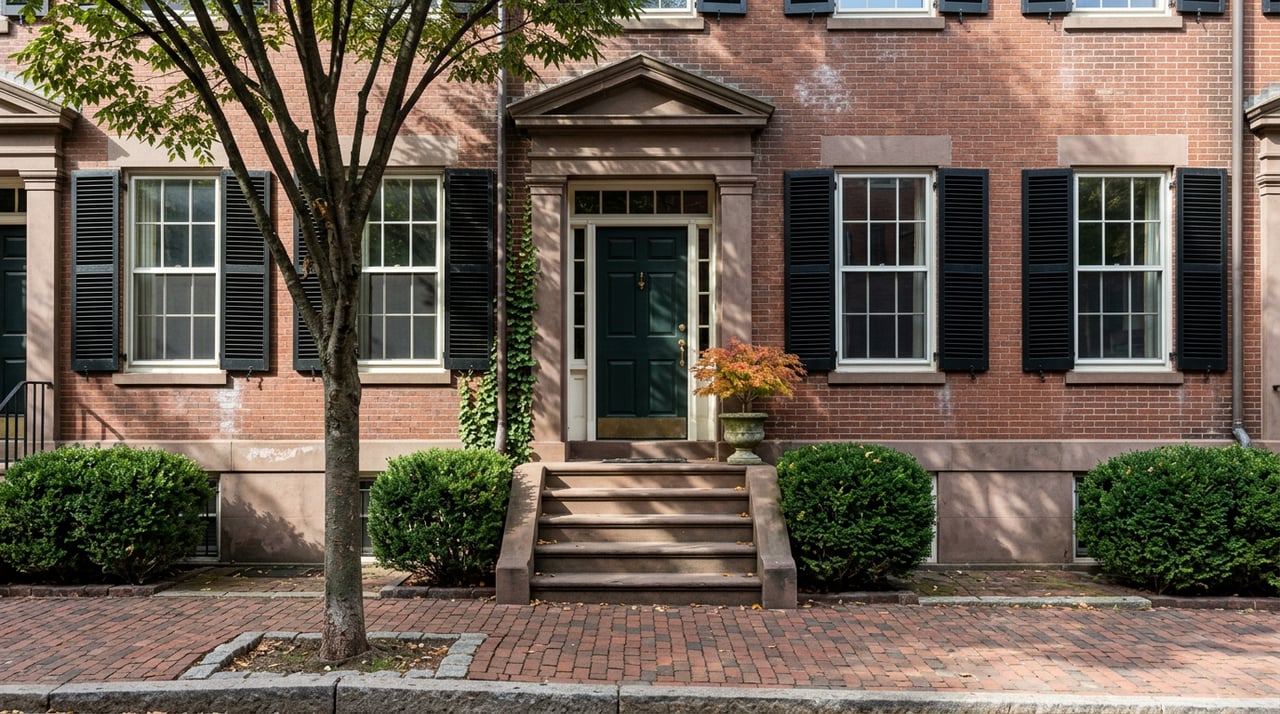
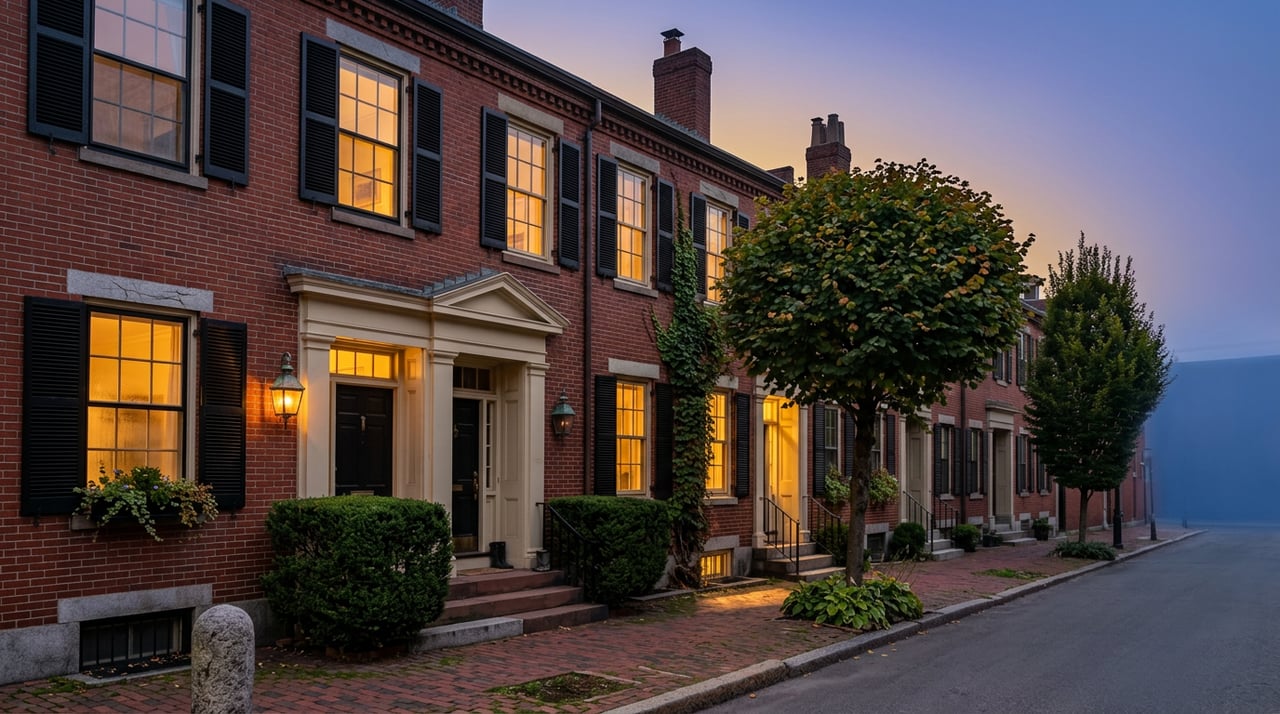
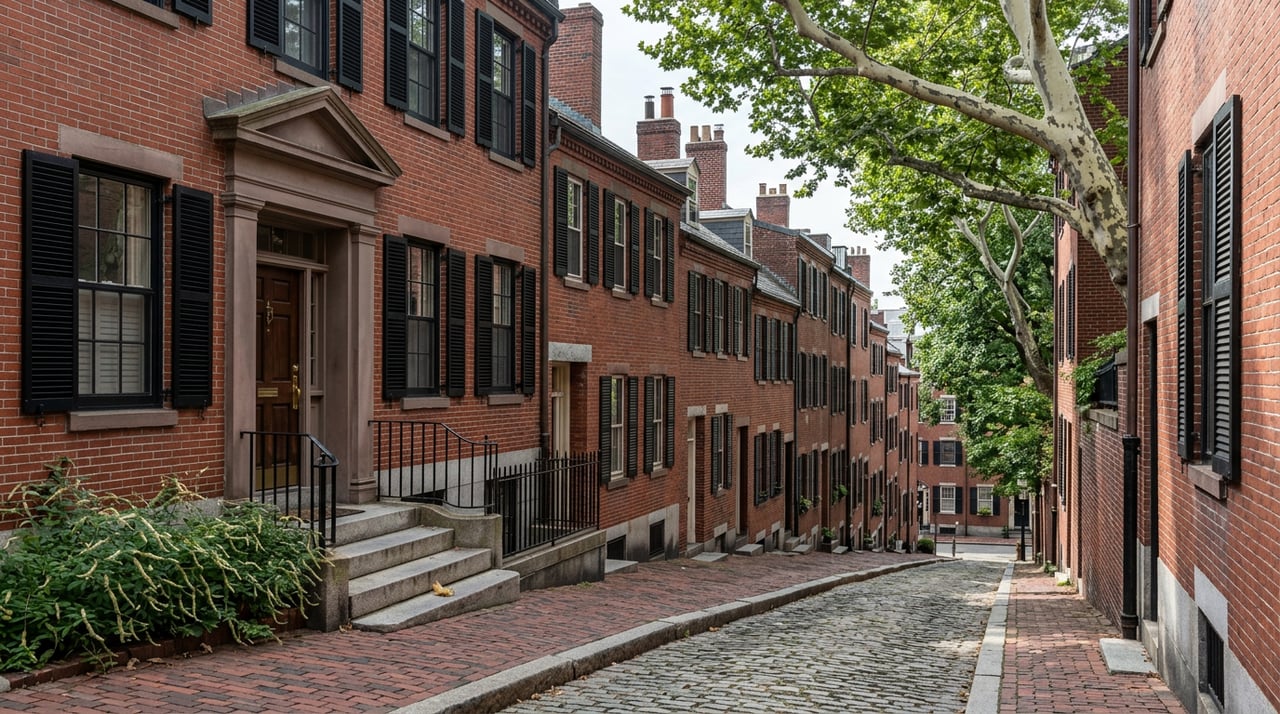
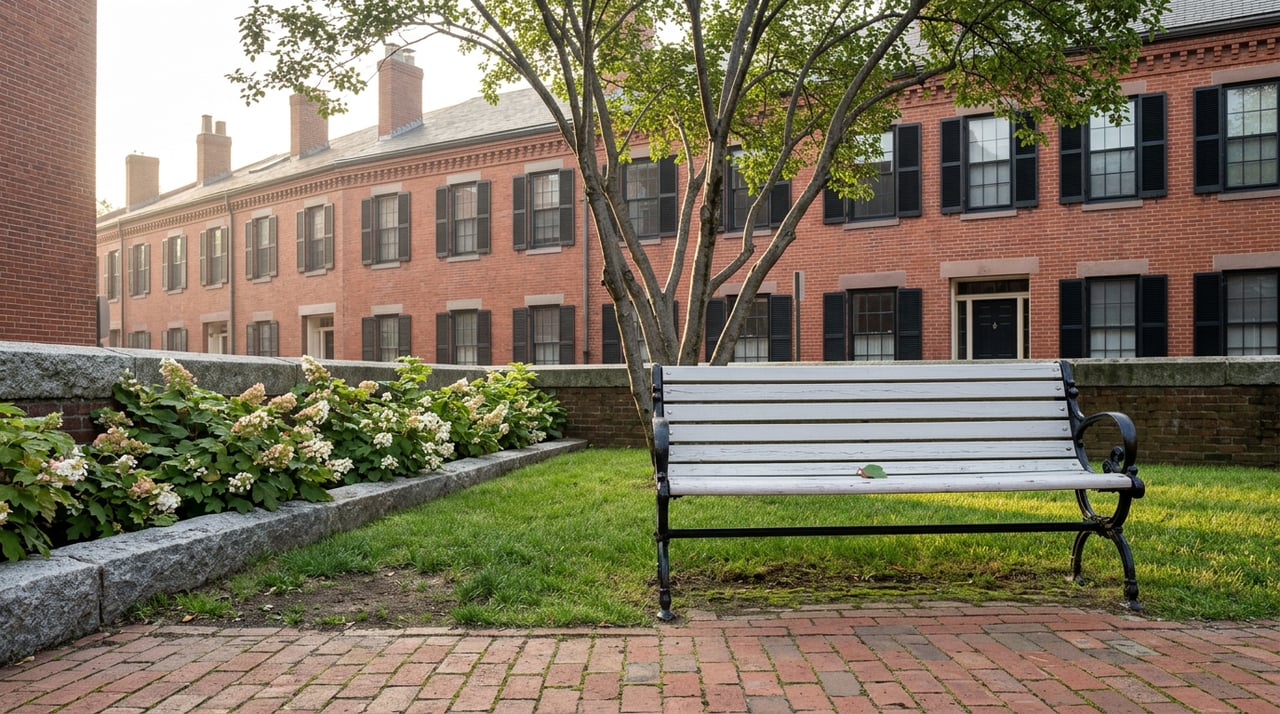
Beacon Hill’s street-facing identity is part of its appeal. Boston describes the neighborhood through its brick row houses, ornate doors, decorative ironwork, brick sidewalks, and gas lamps.
That means exterior work that ignores the district’s established vocabulary can do more than create approval headaches. It can also weaken the property’s market position because buyers are often drawn to Beacon Hill precisely for that preserved setting.
Where Renovation Dollars Are Most Defensible
If your goal is resale, some categories appear much easier to defend than others. The best investments often improve comfort, function, and credibility all at once.
A practical way to think about Beacon Hill renovations is to separate work into three buckets: what should be preserved, what should be upgraded quietly, and what should be reconfigured only with care.
Preserve What Buyers Notice First
Original doors, stairs, fireplaces, iron elements, windows, and masonry details usually deserve serious consideration before replacement. Both the district guidelines and recent approvals point toward repair-in-kind or careful duplication when possible.
This approach is not just about compliance. It also aligns with what buyers appear to value in Beacon Hill. Historic integrity remains part of the premium.
Upgrade Systems Buyers Feel Every Day
Invisible improvements can have real selling power. Recent sales show continued emphasis on central air, updated HVAC, in-unit laundry, and smart controls.
These are not always the most photogenic investments, but they reduce friction in daily life. In many Beacon Hill homes, system upgrades are among the most sensible places to spend because they make the property more comfortable without compromising period detail.
Improve Layouts Where It Makes Sense
Layout is another recurring theme in recent sales. Efficient floor plans, stronger living and dining flow, flexible office space, and better storage all show up in listing language.
That is especially relevant in smaller condos, where every square foot has to work hard. A smart reconfiguration can make a home feel significantly more useful without requiring an aggressive visual overhaul.
Outdoor Space Can Be Valuable, But Not Anywhere
Private outdoor space continues to stand out in marketed Beacon Hill homes. Patios, walk-out decks, and roof decks appear across multiple price points, which suggests that outdoor access remains a meaningful differentiator.
But this is where local rules matter. The district guidelines say visible roof decks or deck enclosures are inappropriate, so not every exterior addition will have a realistic approval path.
The best approach is to treat outdoor space as a strategic opportunity, not an automatic upgrade. If the siting is discreet and the design respects visibility constraints, it may support value. If it fights the district context, it can become an expensive detour.
A Safer Design Language For Beacon Hill
Beacon Hill’s historic building stock includes Federal and Greek Revival houses, and the neighborhood’s architectural rhythm still shapes buyer expectations. That tends to favor a renovation language that is balanced, material-driven, and proportionate.
In practice, that does not mean your home must feel frozen in time. It means modern work usually performs best when scale, texture, and finish take cues from the building rather than trying to overpower it.
This is one reason flashy contemporary gestures can underperform here. In Beacon Hill, the market often responds more favorably to subtle confidence than to visual disruption.
What This Means If You Plan To Sell
If you are renovating with a future sale in mind, pricing discipline still matters. One market source notes that minor updates such as paint and fixtures often pay off, while major renovations may not return their full cost even if they help widen the buyer pool and reduce time on market.
That does not mean larger projects are wrong. It means they should be chosen carefully and tied to real improvements in livability, building condition, and architectural coherence.
For many owners, the most defensible sequence looks like this:
- Repair and preserve visible historic details
- Upgrade HVAC, electrical, plumbing, or insulation where needed
- Improve kitchens and baths with restrained, durable finishes
- Rework layout and storage for better daily function
- Evaluate outdoor space only after confirming visibility and approval realities
That sequence tends to align with both market evidence and local review standards. It also helps you avoid over-improving the wrong thing while leaving unresolved friction points that buyers will notice right away.
The Beacon Hill Takeaway
In Beacon Hill, thoughtful renovation is less about making a home look newer and more about making it live better without losing its identity. The market appears to reward homes that preserve period character, solve everyday inconveniences, and respect the architectural discipline of the neighborhood.
That balance is not always easy, but it is where the opportunity lies. When updates are grounded in the building’s original language and matched to the right submarket, they are easier for buyers to understand, appreciate, and pay for.
If you are weighing renovation decisions in Beacon Hill, a clear market read and a strong sense of architectural fit can make the difference between expensive change and meaningful value. For discreet, design-savvy guidance tailored to Boston’s historic housing stock, connect with Penney + Gould.
FAQs
What renovations add the most value in Beacon Hill homes?
- Recent market signals point to updated kitchens, refined baths, improved layouts, strong storage, central air, in-unit laundry, and other comfort-focused system upgrades that preserve historic character.
What exterior work needs approval in Beacon Hill?
- Boston states that exterior work visible from a public way is subject to review by the Beacon Hill Architectural Commission, and owners should not start work or purchase materials before approval is received.
Are roof decks allowed on Beacon Hill properties?
- Private outdoor space can be valuable, but Boston’s guidelines say roof decks or deck enclosures visible from a public way are inappropriate, so each project needs careful review.
Should Beacon Hill sellers choose modern finishes or historic details?
- The strongest market signal is usually a blend of preserved period detail and modern function, with restrained finishes that complement the home’s original architecture.
Do major renovations always pay off in Beacon Hill?
- Not necessarily. Market guidance suggests minor updates often offer clearer returns, while major renovations may help marketability and buyer interest without always returning full cost.