Wondering how to prepare a Beacon Hill townhouse for sale without turning it into a public event? In this part of Boston, discretion is not just about marketing. It is also about timing, documentation, and respecting the historic rules that shape what you can change before launch. If you want a quiet, well-orchestrated sale, the right preparation can help you protect privacy, avoid avoidable delays, and present your home with confidence. Let’s dive in.
Why Beacon Hill sales require extra planning
A Beacon Hill townhouse is rarely a standard listing. The neighborhood’s historic district rules affect exterior work, and those rules can directly shape your sale timeline.
The Beacon Hill Architectural Commission reviews exterior alterations that are visible from a public way. That visibility can extend beyond the street in front of your home and may include views from Boston Common, the Public Garden, Storrow Drive, the Charles River Esplanade, or the Longfellow Bridge. If you are considering any exterior improvement before listing, it is important to determine early whether review may apply.
The timing piece matters just as much. The Commission meets on the third Thursday of each month, and incomplete applications are not added to the hearing agenda. Boston also advises owners to submit early and not begin work or buy materials until approval is confirmed.
For sellers aiming for a discreet spring launch, that means pre-listing preparation often needs to begin months ahead. In a neighborhood where architectural details carry real value, rushed decisions can create more friction than benefit.
Focus on preservation, not over-modernization
In Beacon Hill, the most effective pre-sale updates are often the quietest ones. Rather than broad cosmetic reinvention, the better strategy is usually to refine, repair, and preserve original character.
The district guidelines favor retaining historic masonry, windows, doors, trim, and ironwork. When replacement is necessary, materials are expected to match the original composition, design, color, texture, and visible qualities. That makes thoughtful restoration far more sale-friendly than quick exterior shortcuts.
Masonry and brickwork
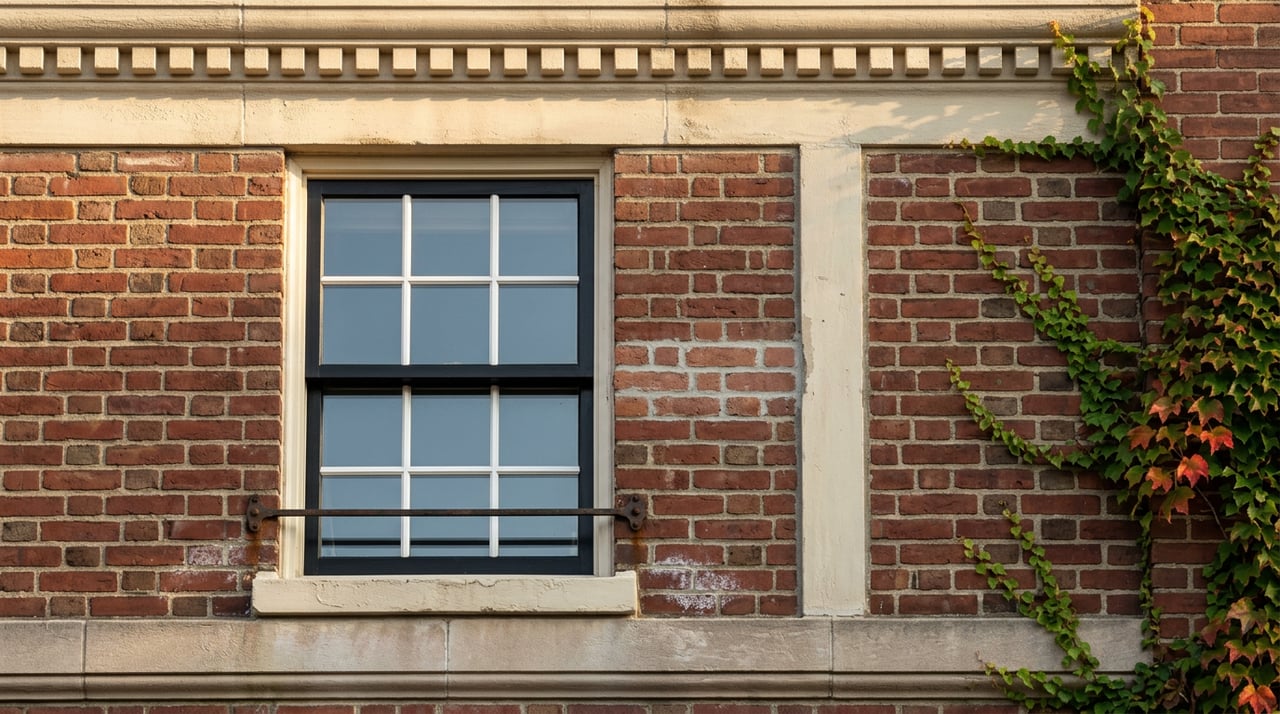
Brick façades are a defining part of Beacon Hill’s visual rhythm, so masonry work deserves careful handling. The guidelines discourage cleaning, prohibit sandblasting, and call for repointing that matches the original or aged mortar.
They also state that masonry not originally intended to be painted should not be painted. If you are trying to improve curb appeal before a sale, the goal is usually repair and stabilization, not a dramatic surface change.
Windows and shutters
Windows are another area where historic accuracy matters. Existing openings should remain the same size, and vinyl-clad or metal-clad sash are not permitted under the guidelines.
Replacement windows should use true divided lights, and simulated muntins are not allowed. When shutters are appropriate, wood shutters with historically scaled proportions are the expected approach.
Doors, trim, and ironwork
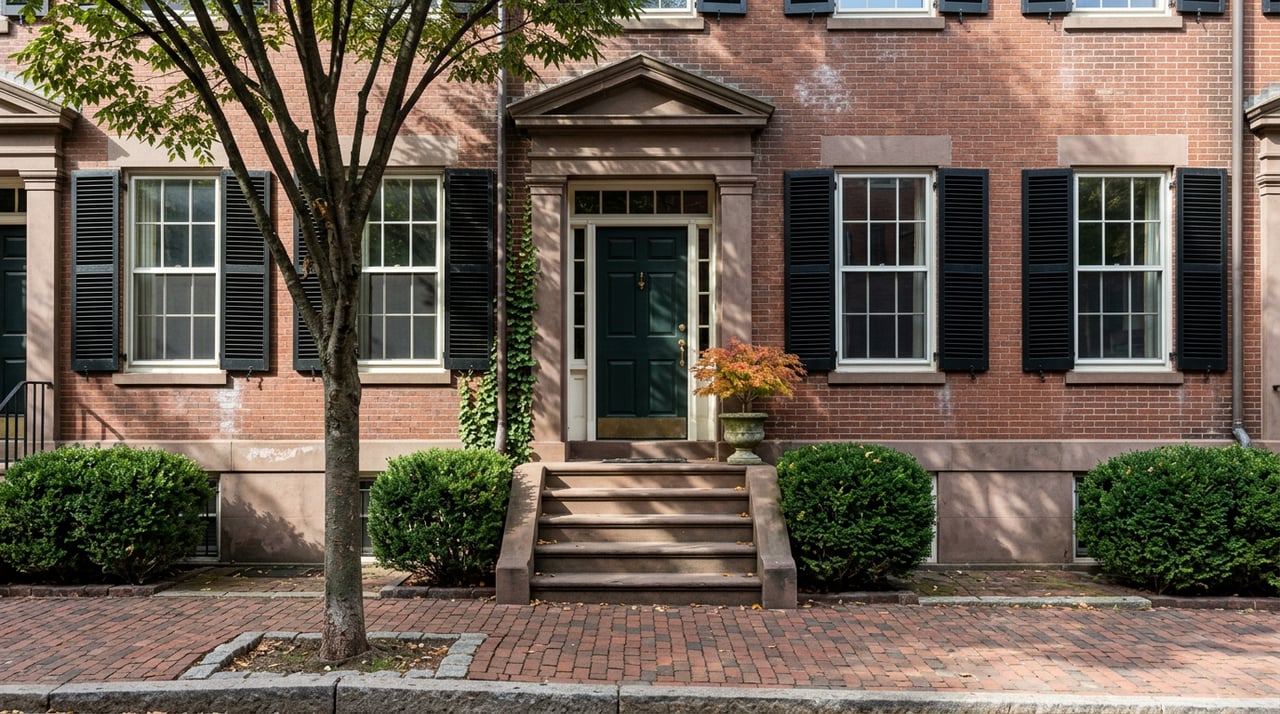
A discreet sale often benefits from small details being handled well. Original or historic doors, surrounds, hardware, and ironwork should be retained when possible, and any new door should fit the existing surround in style, material, and proportion.
That means the front entry experience should feel coherent and authentic. In Beacon Hill, buyers tend to notice whether original character has been respected.
Rooflines and visible equipment
Rear and rooftop changes can matter more than many sellers expect. If a roof deck, roof access structure, HVAC component, solar panel, or similar feature is visible from a public way, the Commission’s review standards can apply.
This is especially important if you are planning a quiet launch and hoping to complete visible work quickly. A change that seems minor from inside the home may still affect timing if it is externally visible.
Build the seller file before marketing
When a sale is meant to stay low-profile, preparation behind the scenes becomes even more valuable. A strong documentation file allows your listing team to answer serious buyer questions quickly without needing broad public exposure to generate interest.
For a Beacon Hill townhouse, the core file should be assembled before launch whenever possible. This creates a smoother review process for buyers who are doing careful diligence on an older and historically significant property.
The essential documents to gather
Start with the documents that establish ownership, lot information, and renovation history:
- Deed and recorded plans from the Suffolk Registry of Deeds
- Property record card and assessor data from the City of Boston
- Historical permit records by address, especially for windows, masonry, roofing, and systems work
- Lead transfer paperwork if the property was built before 1978
Boston’s Assessing Department provides property record cards, ownership and value data, and parcel lookup tools. Historical permits can also be searched by address, while building plans must be viewed in person at the Inspectional Services document room at 1010 Massachusetts Avenue.
In Massachusetts, sellers and agents must notify buyers of lead risks in pre-1978 residential sales. For many Beacon Hill townhouses, that makes lead paperwork an important part of a complete seller package.
Choose the right privacy strategy
A discreet sale is not one single format. In Massachusetts, the level of privacy depends on how your listing is structured from the start.
MLS PIN distinguishes between office exclusives, delayed listings, and coming-soon listings. If privacy is a priority, you and your agent should decide early whether the goal is full confidentiality, a short controlled pre-launch, or a more traditional market debut.
Office exclusive
An office exclusive is the most private route within the MLS PIN framework. If you sign a Non MLS Listing Form, the broker may keep the property out of the service compilation entirely.
For some townhouse sellers, this approach fits a need for confidentiality, limited access, and highly curated buyer outreach. It is often the clearest option when discretion is the top priority.
Coming soon
A coming-soon listing is more controlled than a full public launch, but it is not the same as a private sale. Under MLS PIN rules, the listing is filed, showings are deferred, and the coming-soon period cannot exceed 21 days.
During that period, the property is deemed off market and not active, and there are no showings. This can work when you want a short runway for final preparation without opening the home immediately.
Delayed listing
A delayed listing gives you another timing tool if you want the property filed to enter the service compilation at a future date. This can help coordinate launch timing, especially when you are balancing records, preparation, and scheduling.
The practical takeaway is simple: privacy should be defined before the campaign starts. The right path depends on whether you want quiet one-to-one exposure or a controlled lead-in to a broader launch.
Time the launch around real conditions
Beacon Hill’s market conditions can support a measured approach, but timing still matters. Realtor.com’s Q1 2026 Market Clock places the Boston metro at 1 o’clock, or late seller territory.
Beacon Hill’s April 2026 market summary shows 70 homes for sale, a median listing price of $2.39 million, and a median of 31 days on market. Realtor.com also reported April 12 to 18 as the national best week to sell in 2026, while noting that high-demand markets like Boston often begin their spring rhythm earlier.
For a townhouse seller, that means a strong launch window can arrive before you feel ready if prep starts too late. Because BHAC review is monthly and certificates may be required before permits are issued, the cleanest strategy is to identify exterior issues, gather records, and select your marketing path well before serious spring demand builds.
A practical checklist for a discreet Beacon Hill sale
If your goal is a polished, low-profile listing process, focus on the sequence as much as the finish work.
- Review any planned exterior work for possible BHAC implications
- Start approval discussions early if changes may be visible from a public way
- Prioritize repairs and refinements that preserve historic materials
- Avoid last-minute exterior substitutions that conflict with district guidelines
- Assemble deed, plans, assessor data, permit history, and lead paperwork
- Decide early between office exclusive, coming soon, delayed listing, or a standard launch
- Build a launch calendar that reflects monthly commission timing and spring market demand
In Beacon Hill, discretion is usually the result of planning, not secrecy alone. The best quiet sales are clear, well-documented, and carefully timed.
If you are preparing a Beacon Hill townhouse for sale, a research-driven strategy can help you protect the home’s story while keeping the process measured and controlled. To discuss a discreet listing plan tailored to your property, connect with Penney + Gould.
FAQs
What exterior work on a Beacon Hill townhouse may need review before a sale?
- Exterior alterations visible from a public way may require review by the Beacon Hill Architectural Commission, including some work visible from Boston Common, the Public Garden, Storrow Drive, the Charles River Esplanade, or the Longfellow Bridge.
What pre-listing updates are usually safest for a Beacon Hill townhouse?
- The safest updates are typically repairs and refinements that preserve original materials and character, especially masonry, windows, doors, trim, and ironwork.
What documents should you gather for a discreet Beacon Hill townhouse sale?
- The core file usually includes the deed, recorded plans, property record card, assessor data, historical permit records, and lead transfer paperwork if the home was built before 1978.
What is the most private listing option for a Massachusetts home sale?
- Under MLS PIN rules, an office exclusive is the most private option because the home does not have to be entered into the MLS service compilation.
How long can a coming-soon listing last in Massachusetts?
- Under MLS PIN rules, a coming-soon listing can last no more than 21 days, and no showings are allowed during that period.
Do rooftop or rear changes matter for a Beacon Hill townhouse sale?
- Yes. If rooftop or rear changes are visible from a public way, Beacon Hill review standards may apply.