Choosing between a Brookline condo and a brownstone can feel like a fork in the road. You might love the idea of historic detail and a private stoop, yet also want a low‑maintenance home close to the Green Line. The good news: both paths can work well if you match lifestyle, budget, and risk tolerance to the right ownership type. In this guide, you’ll learn how each option lives, what it really costs over time, and the key checks to run before you commit. Let’s dive in.
What “condo” and “brownstone” mean here
In Massachusetts, a condominium is a legal form of ownership, not a style. You own your unit plus a share of the common areas, and the association manages building systems and exteriors. The Massachusetts Condominium Act sets the ground rules for governance and reserves, which is a benefit to you as a buyer. You can read the statute overview in the Massachusetts Condominium Act and the reserve requirements in Section 10.
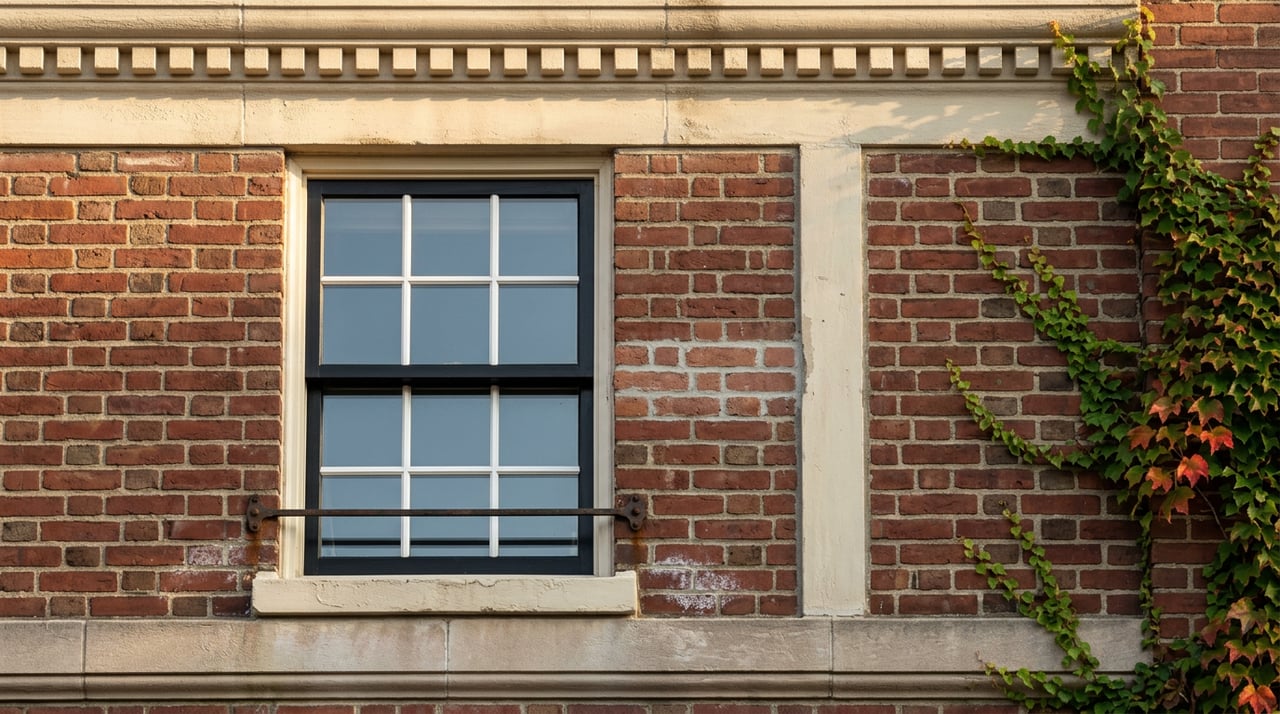
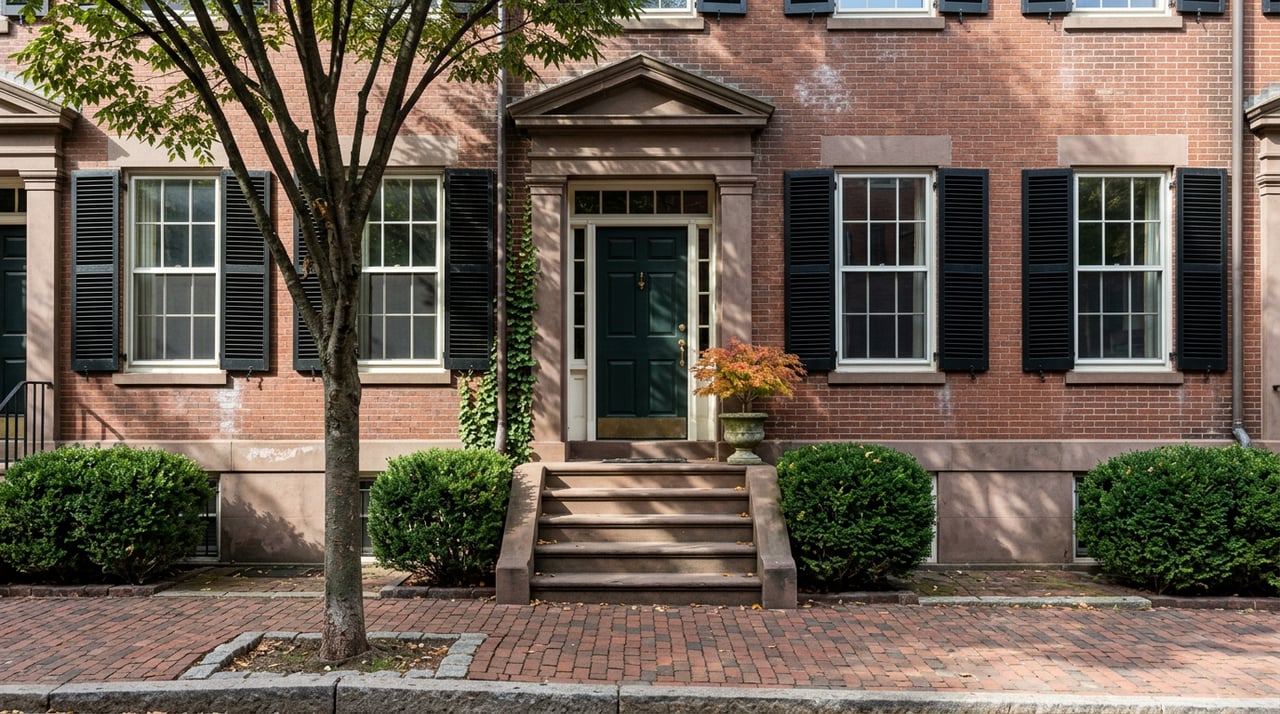
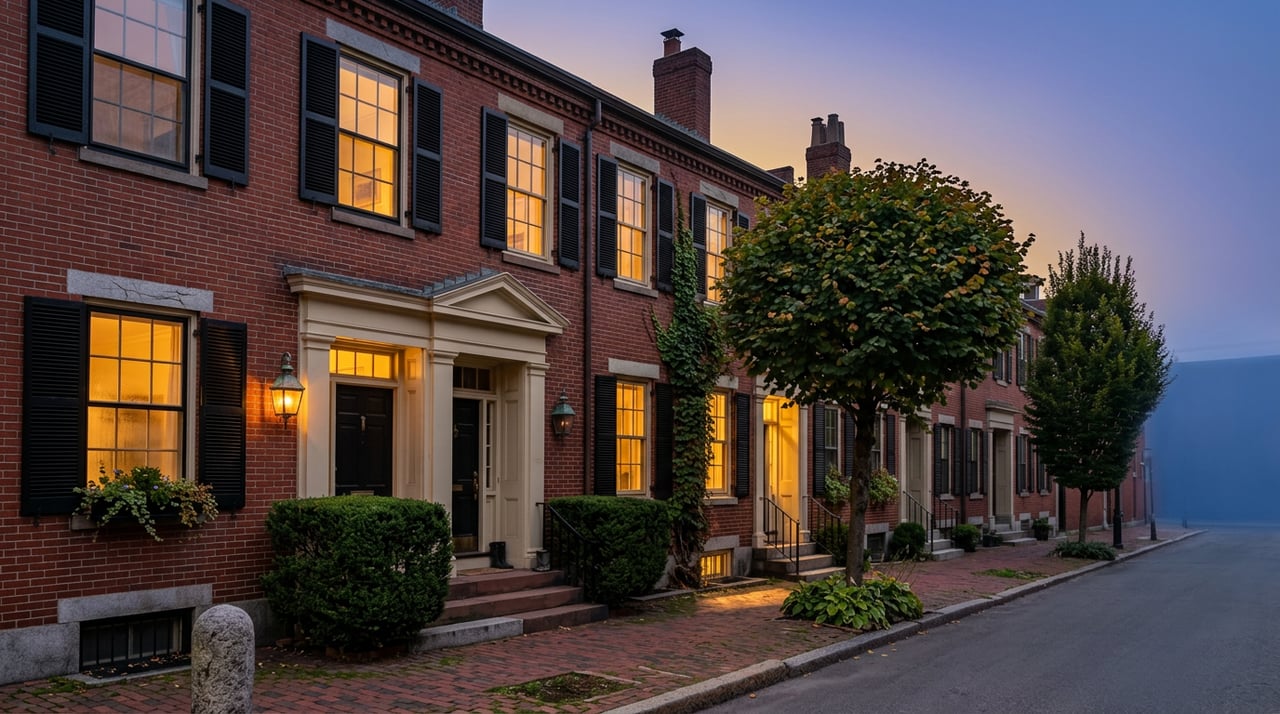
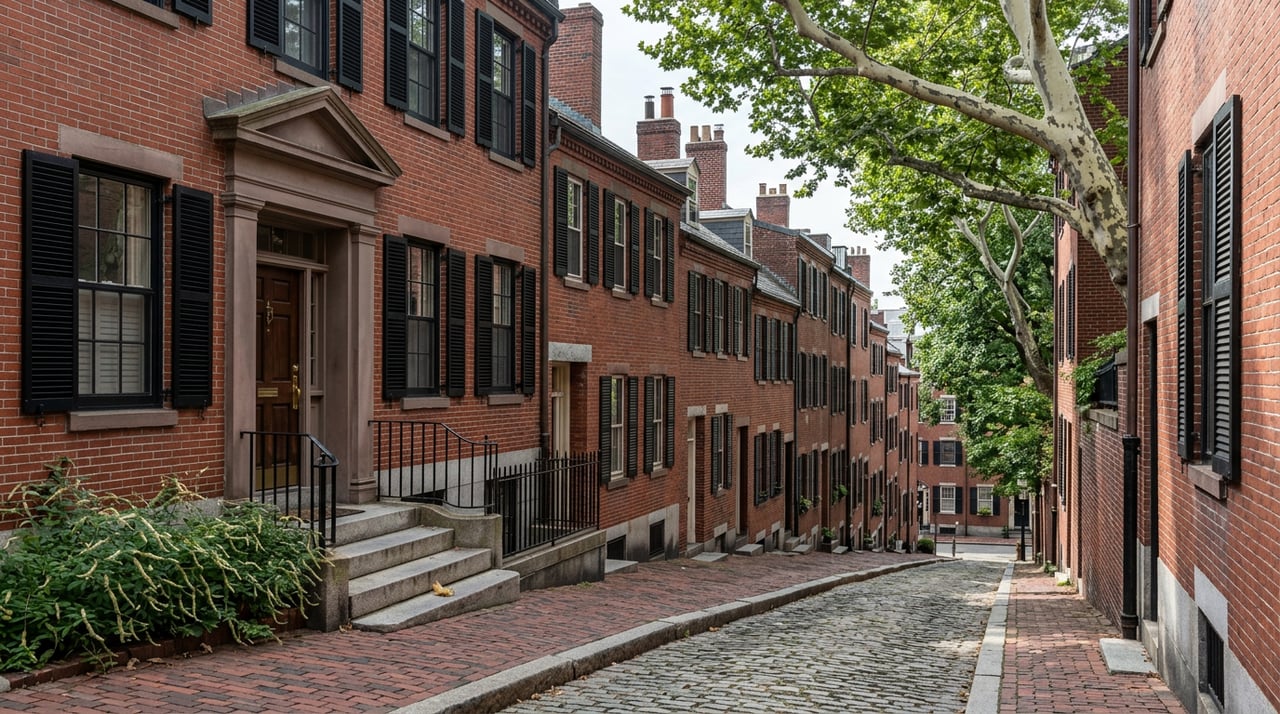
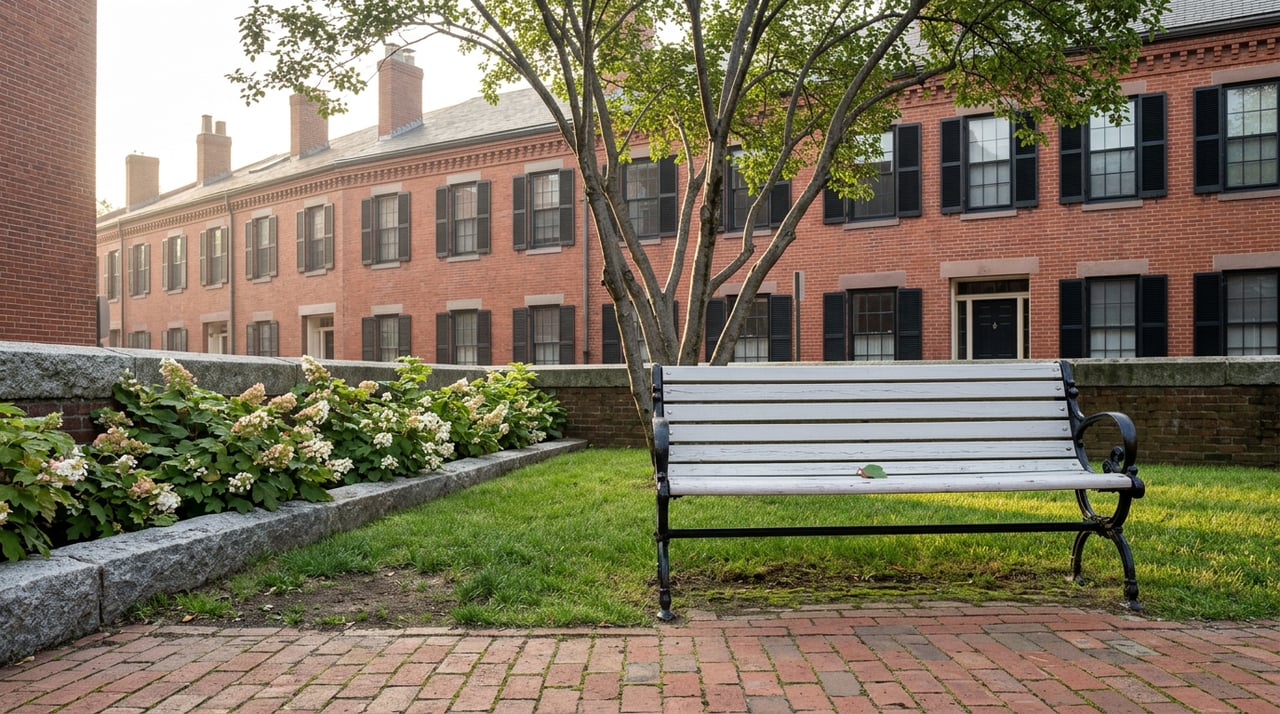
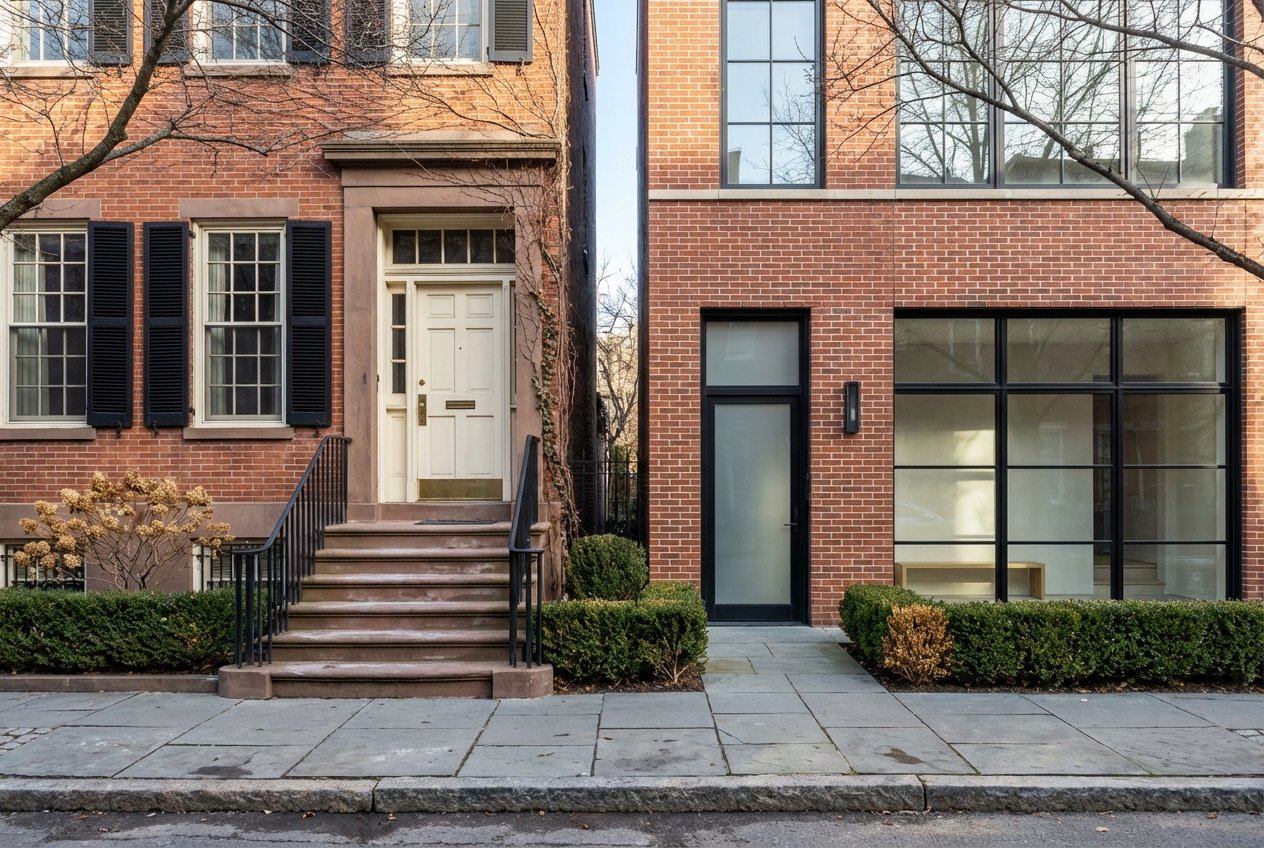
When Brookline buyers say “brownstone,” they usually mean a fee‑simple townhouse or rowhouse. You own the building and land, so you have control over exteriors, systems, and design decisions. With that control comes responsibility for maintenance, capital repairs, and any exterior updates that may require local approvals if the home sits in a historic district.
Lifestyle and neighborhoods
Space and privacy
If you want multi‑level living with a private entrance, a small yard or deck, and period architecture, a brownstone delivers that feel. Interiors often feature original woodwork, high ceilings, and unique layouts that design‑minded buyers appreciate. Condos, by contrast, prioritize convenience and often offer single‑level plans that are easier to live in day to day.
Amenities and convenience
Most condos trade private outdoor space for services and shared features like elevators, package rooms, and sometimes concierge or gyms. Monthly association fees fund those services. Townhouses generally skip shared amenities but give you more autonomy and the option to customize spaces over time.
Transit and daily life
Brookline is transit rich, with multiple MBTA Green Line stops across Coolidge Corner, Washington Square, Brookline Village, and Chestnut Hill. If you want a lock‑and‑leave commute, condo buildings near the T make that realistic. Many brownstones sit on or just off Beacon Street, so you can still enjoy easy access without giving up the townhouse feel.
Costs and the real monthly picture
Start with today’s value context. The Town’s FY2026 presentation shows average assessed values around $2.84 million for single‑family homes and about $978,000 for residential condominiums. That gap frames both entry points and ongoing costs in Brookline’s market. See the Town’s analysis in the FY2026 tax‑classification materials.
Property taxes are based on assessed value and the yearly tax rate. As a reference point, Brookline’s FY2025 residential tax rate was $9.87 per $1,000. You can review rates and assessor resources on the Brookline Assessor’s page.
For condos, monthly association fees vary widely. In older, well‑located buildings, fees often include heat, hot water, master insurance, and common‑area care. In newer or luxury towers, fees cover elevators, concierge, and amenities. In Brookline, you will see everything from low‑hundreds per month to $1,000 and higher. Always verify the current fee and what it includes before you compare apples to apples.
For brownstones, think like a building manager. There is no HOA to collect and plan for capital projects, so you should create your own maintenance reserve. Common big‑ticket items in Brookline’s housing stock include roof replacement and masonry repointing. Regional ranges put typical roof replacements in the low to mid five‑figure range for common materials, with higher costs for slate or complex roofs. See typical ranges in this roof replacement cost overview. Historic masonry repointing often ranges from roughly $6 to $25 or more per square foot, depending on access and historic mortar requirements. Learn more in this guide to masonry repair cost factors.
A simple way to compare monthly carrying costs:
- Condo: mortgage + taxes + HOA fee + condo insurance (HO‑6) + a contingency for special assessments.
- Brownstone: mortgage + taxes + homeowner insurance + a monthly reserve for future capital items based on inspection and contractor bids.
Due diligence for condos
Association health and reserves
Massachusetts requires condominiums to maintain an adequate, segregated replacement reserve. As a buyer, request the most recent budget, audited financials, reserve study, minutes for the last 12 to 24 months, owner‑occupancy and delinquency data, and any notices of litigation or special assessments. Low reserves and high delinquencies can affect both your risk of future assessments and your ability to finance. The reserve requirement is set by Chapter 183A, Section 10.
Insurance and deductibles
Most condo owners carry an HO‑6 policy for walls‑in coverage and personal property, while the association holds a master policy on the building. Review the master policy’s coverage form, deductible, and what scenarios could trigger a unit owner’s share of costs. Ask your insurance broker about loss‑assessment coverage. For a primer, see this overview of the HO‑6 condo policy.
Due diligence for brownstones
Building condition and common issues
Order a comprehensive home inspection and add specialized evaluations where needed. For Brookline‑era townhouses, that often includes roof, masonry, chimney, boiler, and window assessments, plus checks for lead paint in pre‑1978 homes. Use contractor bids to build a realistic maintenance plan and set your monthly reserve target.
Historic review and renovation timing
Several Brookline neighborhoods are protected by local historic districts. If your home is within a district, exterior changes that are visible from a public way typically require Preservation Commission review. This can add time and design costs but protects architectural character over the long term. Learn about districts and application steps through the Brookline Preservation Commission.
Brookline has also debated limits on new fossil‑fuel infrastructure in major projects. If you plan a significant renovation or mechanical system replacement, confirm the current status of any policies before you finalize design or budget. You can review past Town Meeting actions and context in the Older Town Meeting Files.
Financing and resale
Condo financing adds a second layer of approval. In addition to your personal loan, the project itself must often meet Fannie Mae or Freddie Mac standards, and FHA or VA have their own approval processes. Buildings with low reserves, high investor ownership, excessive commercial space, or pending litigation can be considered non‑warrantable, which narrows the buyer pool and may require larger down payments. You can review project standards in Fannie Mae’s guide.
Fee‑simple brownstones typically do not face project‑level approvals, which can make financing more straightforward. On resale, both condos and townhouses in desirable Brookline micro‑markets see healthy demand. Condition, systems, and any historic district factors will influence price and time on market. If proximity to public schools matters to you, confirm program details and daily commute patterns to ensure the location fits your routine.
Quick decision checklist
Use this to make a confident call:
- Lifestyle fit: Prefer turnkey living, one‑level layouts, and shared amenities. Consider a condo. Want multi‑level space, private entries, and design control. A brownstone fits better.
- Location and transit: If daily T access is essential, weigh walk times to Green Line stops from your short list of buildings and blocks.
- Budget and carrying costs: For condos, request the HOA budget, reserve study, fee breakdown, insurance certificates, and delinquency data. For brownstones, get a full inspection and at least one roofing and one masonry bid, then set a monthly reserve. Add property taxes using the current rate on the Assessor’s page.
- Financing and resale: If you plan low‑down‑payment financing, check project approval status early using Fannie Mae standards. Confirm owner‑occupancy, litigation, reserves, and rental policies to protect future resale.
- Historic and exterior constraints: If the home sits in a local historic district, factor in Preservation review timelines and design costs. Start with the Preservation Commission resources.
- Insurance and deductibles: For condos, review the master policy and ask your broker about HO‑6 loss‑assessment coverage. For brownstones, price a full homeowners policy and ask about any age‑related exclusions.
A final word of strategy: Try to shortlist one condo and one brownstone that both meet your top three non‑negotiables. Run full due diligence in parallel, then compare not only on purchase price but on total monthly carrying cost and the next ten years of likely capital work. That side‑by‑side often makes the right choice obvious.
Ready to discuss specific buildings, blocks, or a tailored cost model. Reach out to Penney + Gould for a private consult and a data‑driven plan that fits how you want to live in Brookline.
FAQs
What is the core difference between a Brookline condo and a brownstone?
- A condo gives you unit ownership plus shared common areas managed by an association, while a brownstone is fee‑simple ownership with full control and responsibility for the entire building.
How much are typical Brookline condo HOA fees?
- Fees commonly range from the low hundreds per month to $1,000 and higher, depending on building age, services, and amenities; always verify inclusions like heat and master insurance.
What big‑ticket maintenance should I expect with a Brookline brownstone?
- Budget for roof replacement, masonry repointing, chimney and boiler work, window upgrades, and potential lead‑safety items in pre‑1978 homes, based on contractor bids.
How do Brookline historic districts affect exterior changes?
- If the property is in a local historic district, visible exterior work usually requires Preservation Commission review, which adds time and design steps but preserves neighborhood character.
What financing issues can derail a Brookline condo purchase?
- Projects with low reserves, high investor concentrations, significant commercial space, or litigation can be non‑warrantable, limiting loan options and often requiring larger down payments.
Which is better for transit access, a condo or a brownstone?
- Both can work well since many Brookline buildings and rowhouses sit near Green Line stops; compare specific addresses by walk time and daily commute needs before deciding.