If you are drawn to Beacon Hill, you are probably not looking for generic city living. You are looking for a neighborhood with architectural depth, a strong sense of place, and a daily rhythm shaped by walking, preservation, and proximity to some of Boston’s most iconic public spaces. Understanding what brownstone living actually feels like here can help you decide whether Beacon Hill fits the way you want to live. Let’s take a closer look.
What Defines Beacon Hill Living
Beacon Hill is one of Boston’s oldest communities, and the neighborhood covers about one square mile. The City of Boston identifies the Massachusetts State House and the Boston African American National Historic Site as key landmarks, while the area’s history also reflects Beacon Hill’s important role in Boston’s free Black community during the 1800s.
That historic identity is not just background. It shapes the look, feel, and stewardship of the neighborhood today. The Historic Beacon Hill District was established in 1955 and expanded over time, with preservation review required for exterior work visible from public ways.
Why Brownstones Feel So Distinct
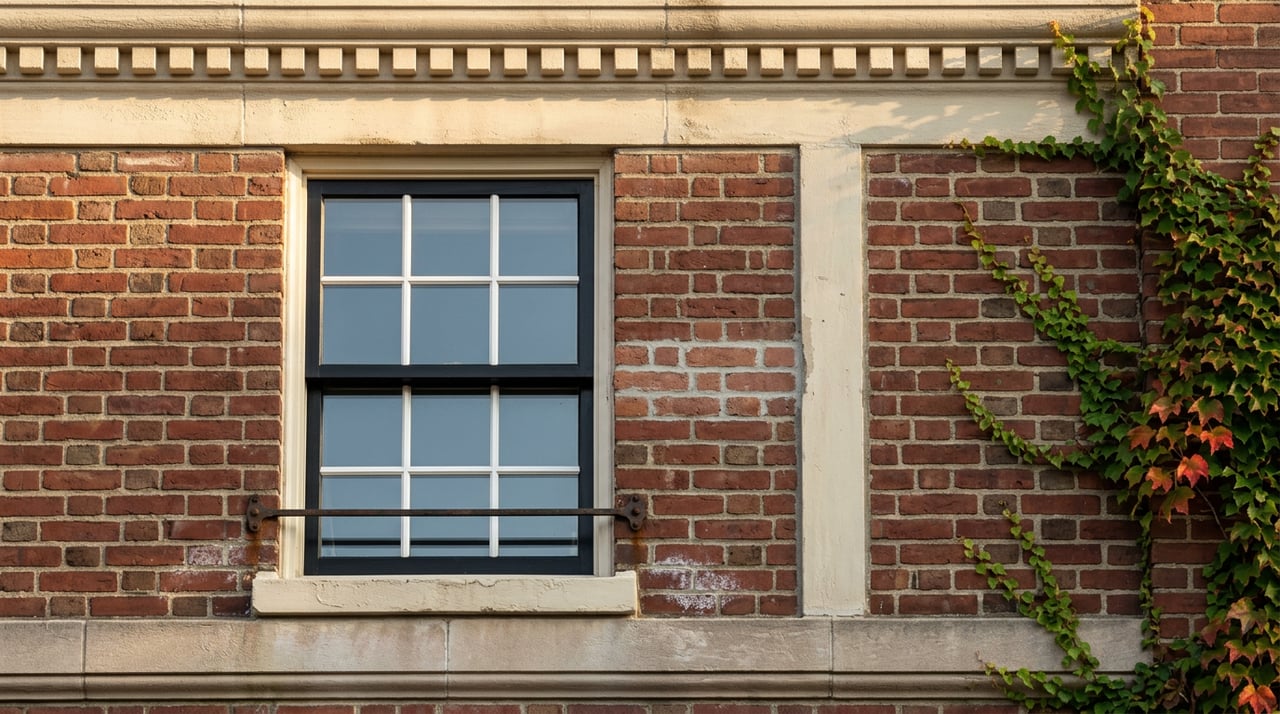
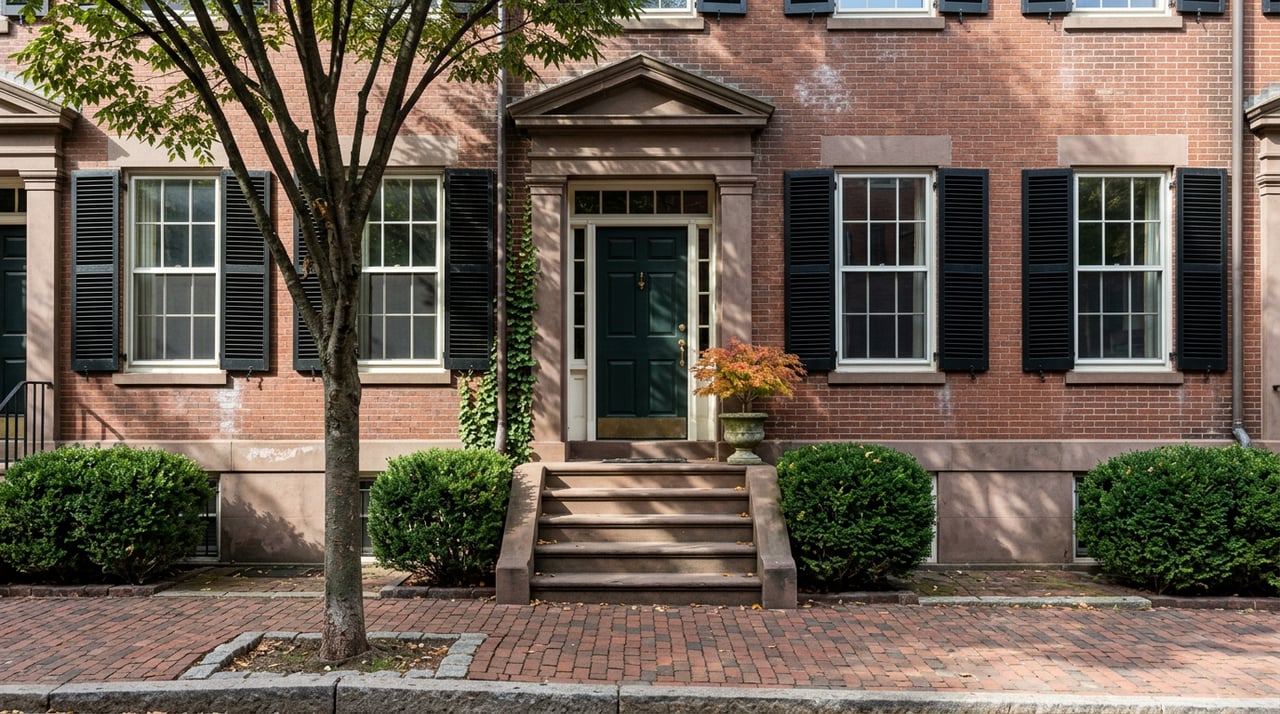
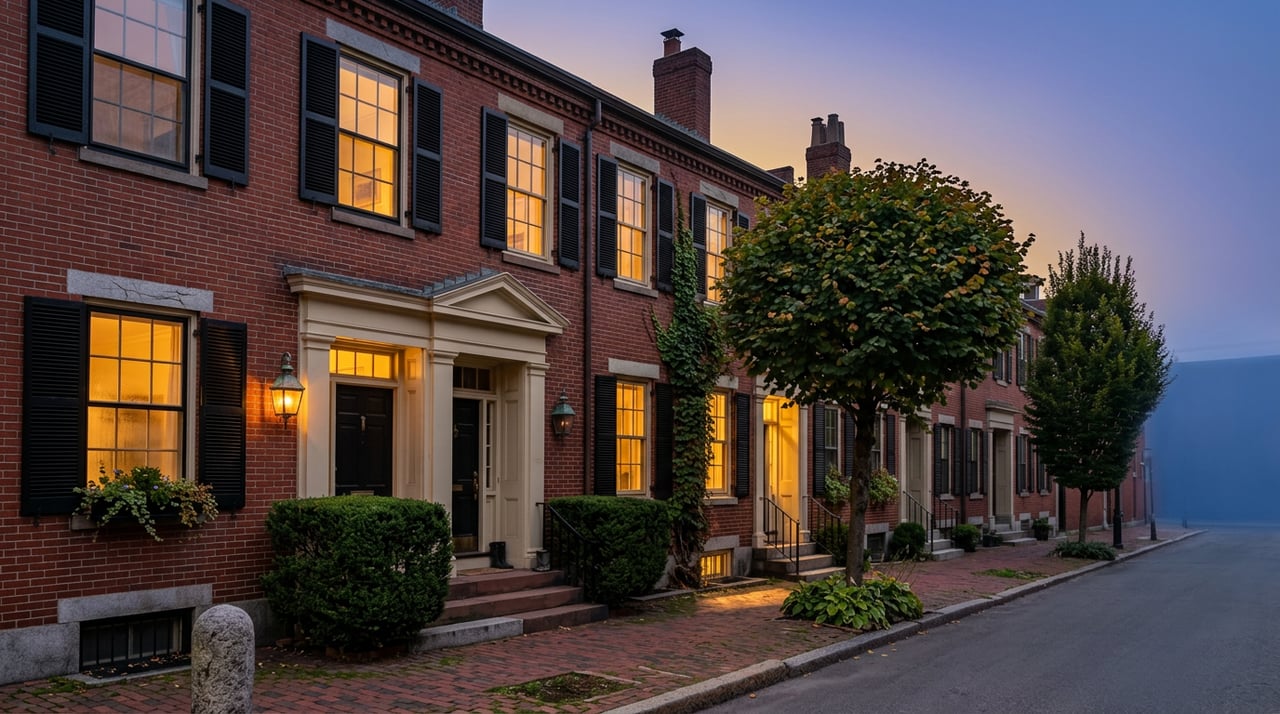
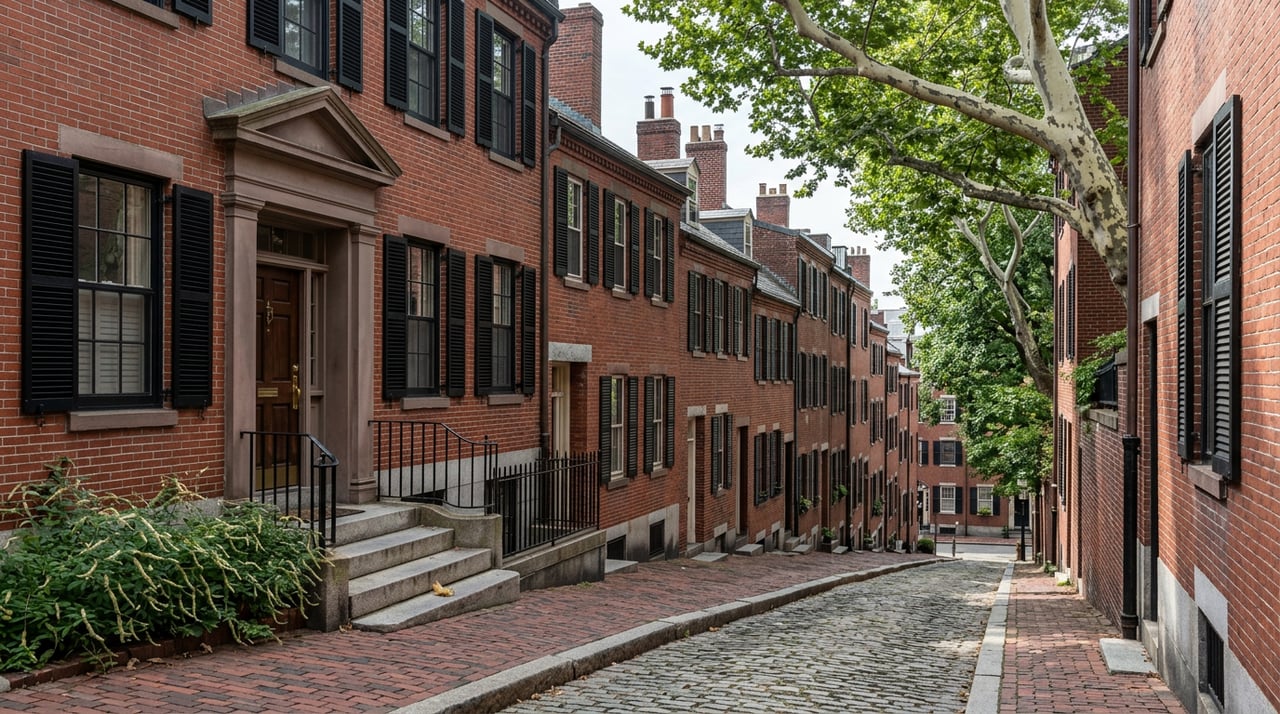
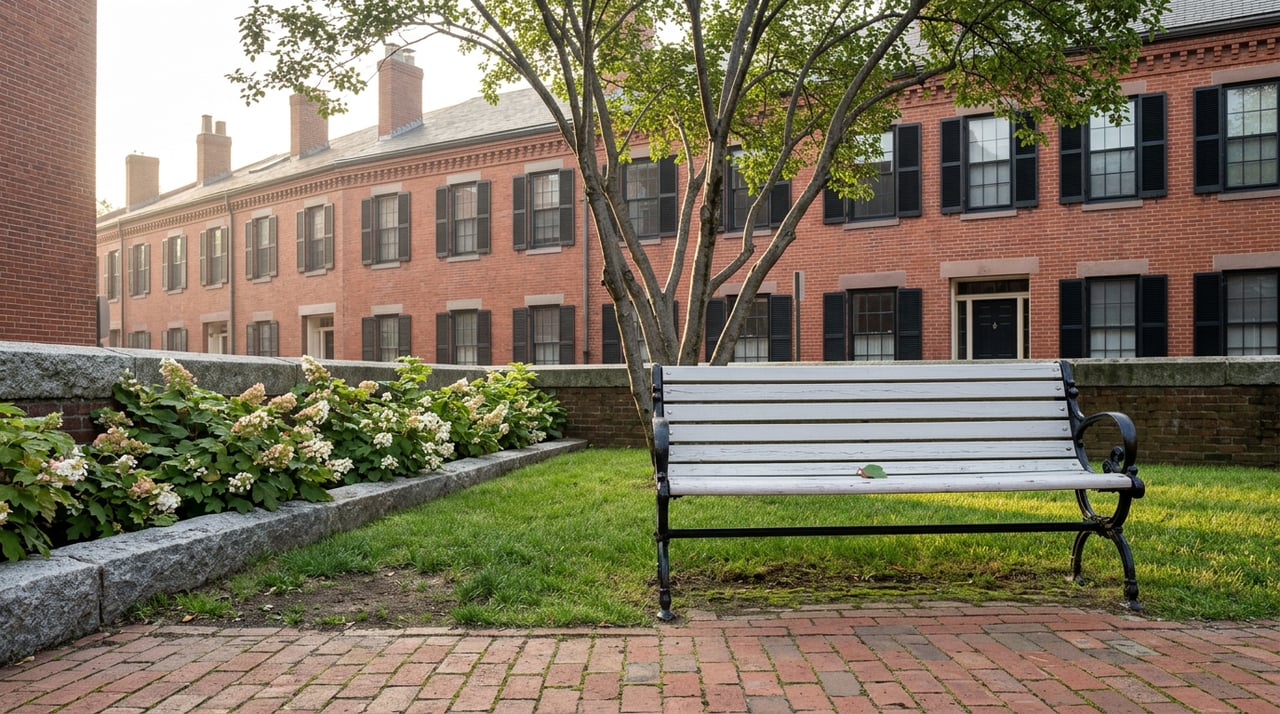
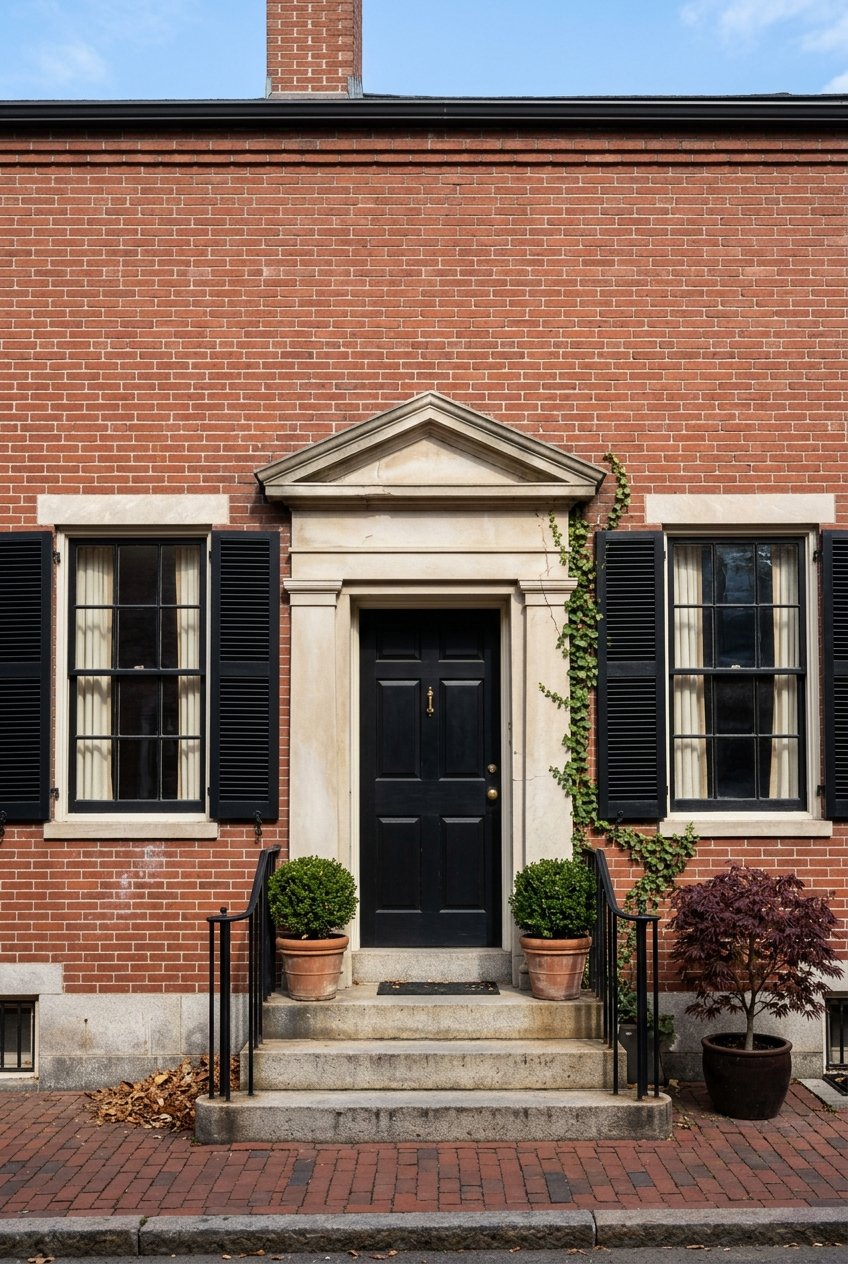
Beacon Hill’s streetscape is one of the clearest reasons buyers are drawn here. Boston describes the neighborhood through its brick row houses, ornate doors, decorative ironwork, narrow streets, brick sidewalks, and gas lamps, all of which give the area its instantly recognizable character.
At the same time, Beacon Hill is not a preserved set piece. It is a dense residential neighborhood with townhouses, apartments, and converted buildings, including adaptive reuse of former stables and carriage houses. That mix gives the area texture and keeps it feeling lived-in rather than staged.
Many of the residential buildings reflect Federal and Greek Revival architecture by major early Boston architects. For design-minded buyers, that often means details such as formal facades, historic masonry, and craftsmanship that are difficult to replicate in newer construction.
The Practical Side of Brownstone Ownership
The charm of a Beacon Hill brownstone comes with responsibilities. According to the city’s Beacon Hill architectural guidelines, original materials are expected to be maintained, and brownstone itself requires specialized treatment.
That matters if you are considering updates or future repairs. Exterior changes that are visible from public ways may require review, and maintenance decisions often call for a preservation-minded approach rather than a quick cosmetic fix.
For many buyers, this is part of the appeal. You are not just purchasing square footage. You are becoming a steward of a home within one of Boston’s most closely protected historic settings.
What Daily Life Looks Like
Beacon Hill works best for people who value compact, walk-first urban living. With its small footprint, many everyday needs are close at hand, and the neighborhood’s layout supports errands on foot more naturally than car-dependent routines.
Charles Street plays a major role in that experience. The city points visitors there for antique shops, local restaurants, and neighborhood businesses, and everyday stops in the area include DeLuca’s Market, Charles Street Supply, Beacon Hill Books & Cafe, and Toscano.
In practical terms, that means your daily pattern may feel more local and more immediate. A quick grocery stop, a coffee, dinner plans, or a bookstore visit can be folded into a short walk rather than a planned outing.
Transit and City Access
One of Beacon Hill’s strengths is that it combines a tucked-in residential feel with strong access to the rest of Boston. Mass General’s Beacon Hill location notes nearby access to Charles/MGH on the Red Line, Bowdoin on the Blue Line, and North Station on the Orange and Green Lines.
There is also access to Park Street nearby, which a local Beacon Hill walking-tour operator identifies as the nearest accessible MBTA station for its route. For buyers who want architectural character without giving up connectivity, that transit network is part of the neighborhood’s lasting appeal.
Parks Become Your Outdoor Room
One of the biggest mindset shifts in Beacon Hill living is how you think about outdoor space. Instead of prioritizing a large private yard, many residents rely on nearby public landscapes as part of everyday life.
That is a meaningful advantage here. Boston Common, founded in 1634, is America’s oldest park and includes the Frog Pond, which serves as an ice skating destination in winter and a spray pool in summer. The Public Garden, established in 1837, was the nation’s first public botanical garden and was designed for strolling, while the Charles River Esplanade adds waterfront gardens and walking and biking trails.
For many Beacon Hill residents, those spaces function as an extension of home. They offer room to walk, reset, meet friends, or take in the seasons without leaving the center of the city.
The Seasonal Rhythm Matters
Beacon Hill has a distinctly four-season lifestyle. Spring tends to be especially visible, both in private plantings and in the neighborhood’s broader identity.
The Hidden Gardens of Beacon Hill Tour has long been held on the third Thursday in May and is described by the city as part of Beacon Hill’s tradition of urban gardening. The Beacon Hill Garden Club also emphasizes the neighborhood’s window boxes, swept sidewalks, and flowering streetscape during that period.
Summer supports the area’s walkable rhythm, while winter brings a colder but visually striking version of the neighborhood. Using Boston Logan as the nearby climate station, NOAA normals show a mean high of 82.1°F in July, a mean low of 23.1°F in January, annual precipitation of 43.59 inches, and annual snowfall of 49.2 inches.
In other words, Beacon Hill is not a one-season neighborhood. Its appeal changes throughout the year, from garden-heavy spring streets to crisp winter light on brick facades.
Tradeoffs to Understand Before You Buy
Every neighborhood has tradeoffs, and Beacon Hill is no exception. Here, the same features that create so much beauty can also require more planning in day-to-day life.
Historic preservation can limit certain exterior changes, which may affect renovation timelines and design options. The neighborhood also includes uneven surfaces and notable inclines, which are worth considering if ease of mobility is high on your list.
For the right buyer, these are manageable realities rather than drawbacks. Still, it helps to go in with a clear understanding that Beacon Hill rewards people who value historic fabric, walkability, and architectural continuity.
Why Downsizers Often Look Here
Beacon Hill can be especially compelling for downsizers who want to stay in the city and remain connected to neighborhood life. The combination of walkable errands, nearby parks, transit access, and established services can support a more streamlined urban routine.
A notable local resource is Boston Village, formerly Beacon Hill Village. It serves Beacon Hill and other central Boston neighborhoods and helps older adults continue living in their homes by connecting them to community, resources, and support services, including grocery services, transportation, and home-help referrals.
That kind of neighborhood infrastructure can be meaningful if you are planning not just for your next move, but for how you want daily life to function over time.
Is Beacon Hill Brownstone Living Right for You?
Beacon Hill brownstone living tends to suit buyers who want more than a beautiful facade. It appeals to people who value architectural provenance, enjoy a walk-first lifestyle, and appreciate the discipline that comes with living in a protected historic district.
If that sounds like you, Beacon Hill offers a rare combination of visual consistency, urban convenience, and deep neighborhood identity. The experience is shaped by brick streets, preserved exteriors, nearby parks, and the sense that history is not separate from daily life, but part of it.
If you are considering a purchase or sale in Beacon Hill and want guidance grounded in architectural sensitivity and local market perspective, Penney + Gould offers discreet, research-driven support tailored to Boston’s most distinctive residential properties.
FAQs
What is Beacon Hill brownstone living like in Boston?
- Beacon Hill brownstone living is defined by historic brick row houses, preserved streetscapes, walkable daily routines, and close access to parks, transit, and neighborhood businesses.
Are Beacon Hill homes subject to historic district rules?
- Yes. In the Historic Beacon Hill District, exterior work visible from public ways may require review under city preservation rules.
What are the tradeoffs of living in Beacon Hill?
- Common tradeoffs include preservation-related renovation limits, specialized exterior maintenance, uneven surfaces, and hilly terrain.
Is Beacon Hill a walkable neighborhood for daily errands?
- Yes. Beacon Hill’s compact layout and Charles Street businesses support a walk-first lifestyle for many everyday errands and outings.
What outdoor space is near Beacon Hill homes?
- Nearby outdoor anchors include Boston Common, the Public Garden, and the Charles River Esplanade, which provide walking, recreation, and seasonal green space.
Is Beacon Hill a good fit for downsizers?
- For some buyers, yes. Walkability, transit access, nearby services, and support from Boston Village can make Beacon Hill especially relevant for downsizers planning long-term city living.