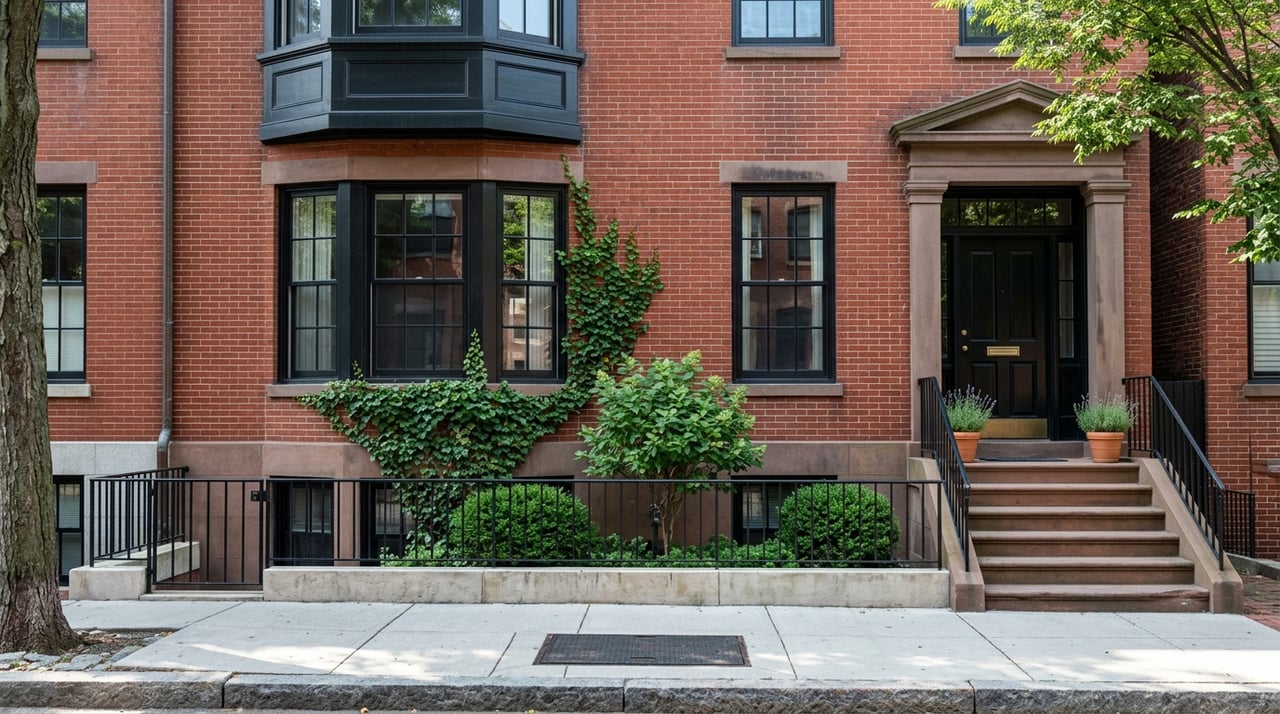
If you are deciding between Back Bay and the South End, you are not just choosing an address. You are choosing how you want Boston to feel in your daily life, from your commute and streetscape to your budget and long-term ownership experience. The good news is that both neighborhoods offer exceptional walkability, strong amenities, and distinctive historic character, so the right answer depends on what you value most. Let’s dive in.
Back Bay vs. South End at a glance
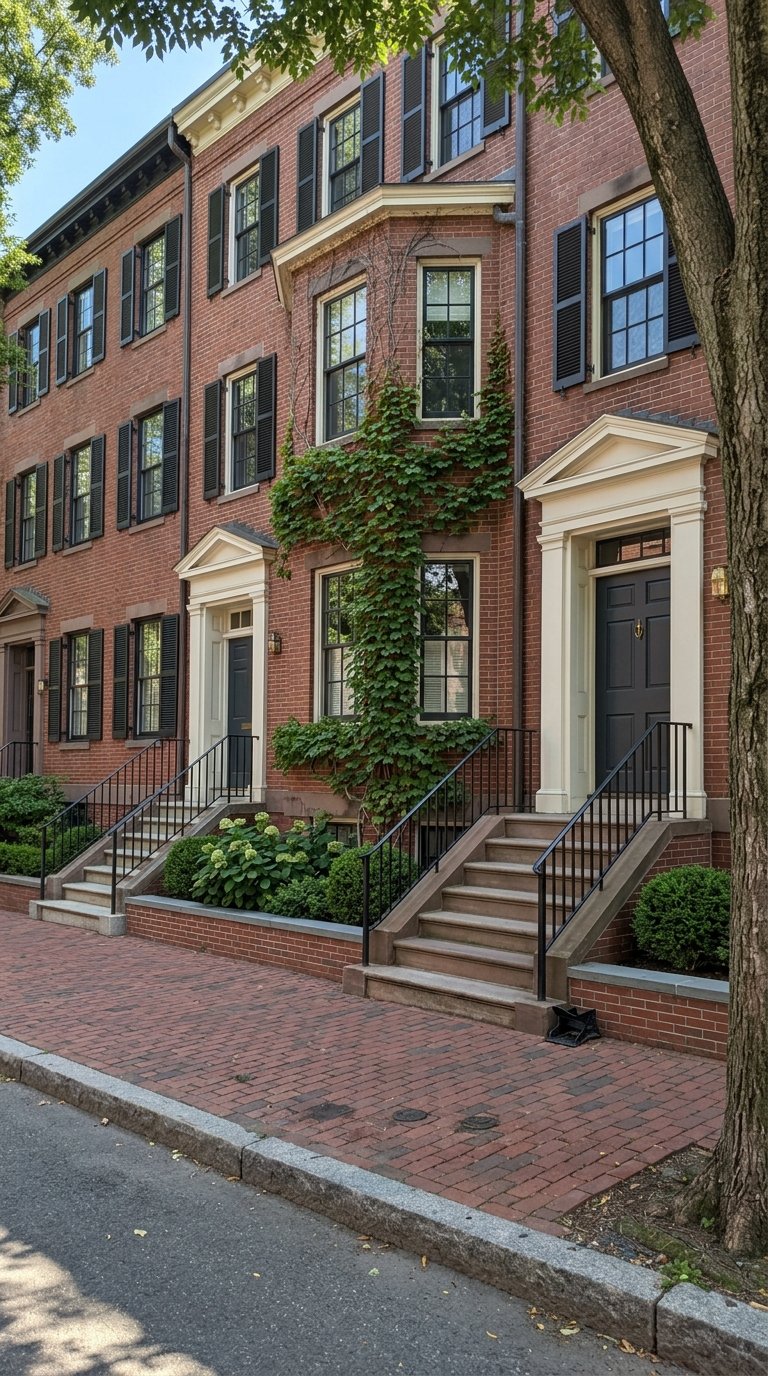
Back Bay and the South End sit side by side, but they offer noticeably different experiences on the ground. Back Bay tends to feel broader, more formal, and more architecturally varied, while the South End feels more unified by rowhouses and a consistent brownstone rhythm.
That difference starts with how each neighborhood developed. The City of Boston describes Back Bay as an early planned residential area built on filled land, shaped in part by Parisian planning ideas. The South End also rose from filled land, beginning in 1850, and is defined by long rows of Victorian houses that create a strong visual continuity.
How the neighborhoods feel day to day
Back Bay: polished and destination-driven
Back Bay is closely tied to some of Boston’s best-known streets and landmarks. Newbury Street, Boylston Street, and Commonwealth Avenue anchor a neighborhood known for shops, restaurants, historic homes, and civic icons like Trinity Church and the Boston Public Library.
Street life is central here. The City’s Open Newbury events reinforce how important pedestrian activity is to the neighborhood’s identity, and Walk Score counts about 380 restaurants, bars, and coffee shops in Back Bay. If you want to step outside into a district with a strong retail and city-energy presence, Back Bay often feels like the clearer fit.
South End: residential, social, and park-oriented
The South End has a different cadence. Its main corridors include Tremont Street, Columbus Avenue, and Massachusetts Avenue, and the City highlights Victorian brownstones, nearly 30 parks, a thriving arts community, SoWa open markets, Restaurant Row on Tremont, and boutiques along Shawmut Avenue.
Walk Score lists about 273 restaurants, bars, and coffee shops in the South End, which still gives you plenty of dining and gathering options. But compared with Back Bay, the South End reads as more neighborhood-scaled, with parks, rowhouse blocks, and restaurants shaping the experience more than destination retail.
Which commute style fits you best?
Choose Back Bay for rail-first travel
If your routine depends on train access, Back Bay has a clear advantage. Back Bay Station is served by the Orange Line, commuter rail, and Amtrak, and it also acts as a high-ridership bus terminus.
That makes it especially appealing if you want one neighborhood that connects easily to both local and regional transit. Walk Score rates Back Bay at 97 for walkability, 96 for transit, and 87 for biking, which supports its reputation as a highly connected urban hub.
Choose South End for bus and bike corridors
The South End is also highly accessible, but its transit pattern is different. Silver Line 4 and 5 run through Washington Street to Downtown, the Seaport, and South Station, and the City reports that Washington Street carries more than 24,000 bus riders each weekday.
Route 39 also connects Forest Hills to Back Bay Station, and the South End sits just minutes from Downtown and Back Bay. Walk Score rates the South End at 97 for walkability, 93 for transit, and 92 for biking. If you are comfortable weaving bus service, walking, and biking into your routine, the South End can be a very strong match.
What the current market says about value
Pricing is one of the biggest reasons buyers compare these two neighborhoods so closely. As of April 2026, Realtor.com shows Back Bay with a median listing price of $2.179 million and a median listing price per square foot of $1,477. In the South End, the median listing price is $1.25 million and the median listing price per square foot is $1,183.
At the asking-price level, Back Bay clearly carries a higher entry point. That often reflects its iconic addresses, rail convenience, and enduring appeal among buyers seeking formal architecture and a highly recognizable Boston location.
Sold data tells a more nuanced story
List prices only show part of the picture. Redfin’s March 2026 sold snapshot places Back Bay’s median sale price at $1.434 million, with median days on market at 66 and a 96.0% sale-to-list ratio.
In the South End, Redfin reports a median sale price of $1.3675 million, median days on market of 48, and a 98.2% sale-to-list ratio. Redfin classifies Back Bay as somewhat competitive and the South End as very competitive. Because these figures come from a different methodology than listing portals, they are best read as directional rather than exact one-to-one comparisons.
The practical point is this: the gap between asking prices may look larger than the gap in closed sales. If you are weighing value, it helps to look beyond the headline listing number and study the specific product type, block, condition, and ownership costs attached to each home.
Rentals and flexibility
If leasing matters to your search, the South End currently shows more rental inventory. Realtor.com reports 557 homes for rent in the South End versus 414 in Back Bay.
Median rent also differs. Realtor.com shows a median rent of $4,000 in the South End and $3,400 in Back Bay. For buyers who want flexibility, rental activity can be one useful signal of how much inventory exists in each neighborhood and how active the leasing market may be.
Ownership details that matter over time
Historic review is not the same in both areas
If you are buying with an eye toward future exterior work, the preservation framework deserves real attention. In Back Bay, the Back Bay Architectural Commission reviews all proposed exterior work in the district.
In the South End Landmark District Protection Area, review applies only to certain exterior items. For some buyers, that difference may shape how they think about façade changes, windows, roof elements, or other visible exterior updates over time.
Climate risk is part of the equation
Long-term ownership also means thinking beyond finishes and floor plans. Redfin’s First Street model rates Back Bay at extreme flood risk and the South End at minor flood risk. Both neighborhoods are rated major wind risk and major heat risk.
That does not decide the purchase for you, but it should inform your diligence. If you are comparing two otherwise compelling homes, these factors can affect how you think about resilience, insurance discussions, and long-range stewardship.
Which neighborhood tends to suit which buyer?
Back Bay may fit you if you want:
- A more formal and recognizable Boston address
- Strong access to rail, commuter rail, and Amtrak
- A retail-rich, destination-oriented streetscape
- Higher asking-price positioning with iconic location appeal
- Comfort with a stricter exterior review process
South End may fit you if you want:
- A more brownstone-centered, residential feel
- Strong walkability with bus and bike-friendly daily travel
- Parks, restaurants, arts activity, and neighborhood-scale streets
- A lower asking-price floor than Back Bay
- More rental inventory and a very active market pace
The real decision: lifestyle and value together
The choice between Back Bay and the South End is rarely just about price. It is about the relationship between how you want to live and what you want your purchase to hold over time.
Back Bay often appeals to buyers who want polish, prominence, and rail-centered convenience. The South End often appeals to buyers who want strong walkability, a brownstone streetscape, and a slightly more neighborhood-scaled daily rhythm. Both can be excellent long-term choices, but they reward different priorities.
When you compare them block by block and property by property, the answer usually becomes much clearer. That is where local market analysis, architectural fluency, and thoughtful diligence matter most.
If you are weighing Back Bay against the South End, Penney + Gould offers research-driven guidance grounded in Boston’s historic housing stock, neighborhood nuance, and strategic negotiation.
FAQs
Which Boston neighborhood is better for a rail-first commute: Back Bay or South End?
- Back Bay is generally the better fit for a rail-first commute because Back Bay Station offers Orange Line, commuter rail, and Amtrak service.
Which Boston neighborhood feels more residential: Back Bay or South End?
- The South End usually feels more residential because of its long Victorian rowhouse blocks, nearly 30 parks, and neighborhood-scale streets.
Which Boston neighborhood is more expensive to buy: Back Bay or South End?
- Based on April 2026 Realtor.com listing data, Back Bay is more expensive on the asking side, with a higher median listing price and higher median price per square foot.
Which Boston neighborhood has more rental inventory: Back Bay or South End?
- The South End has more rental inventory, with 557 homes for rent compared with 414 in Back Bay, according to Realtor.com.
Which Boston neighborhood has stricter historic exterior review: Back Bay or South End?
- Back Bay has the stricter review framework because all proposed exterior work in the district is subject to Back Bay Architectural Commission review.