Trying to choose between a Beacon Hill condo and a townhouse? In this neighborhood, the decision goes far beyond square footage or curb appeal. You are also weighing ownership structure, monthly carrying costs, maintenance obligations, and how much control you will actually have in one of Boston’s most tightly protected historic settings. If you want a clearer way to compare the tradeoffs before you make an offer, let’s dive in.
Why Beacon Hill Changes the Decision
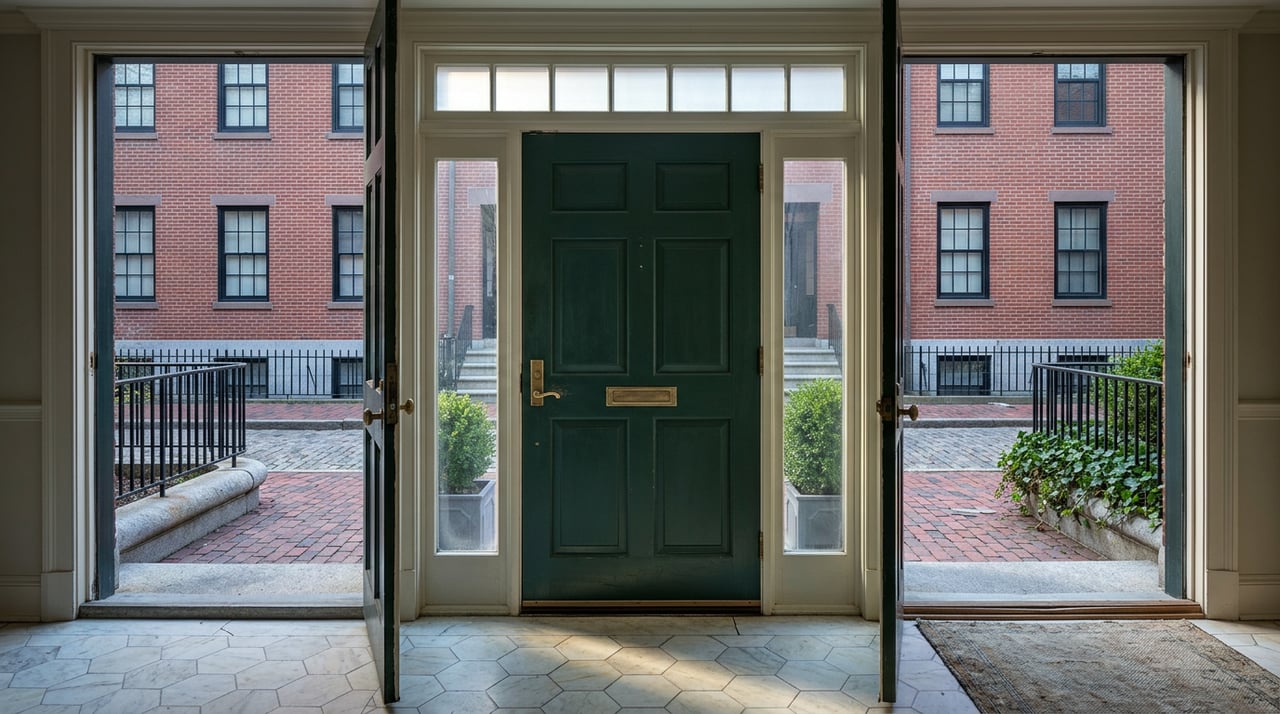
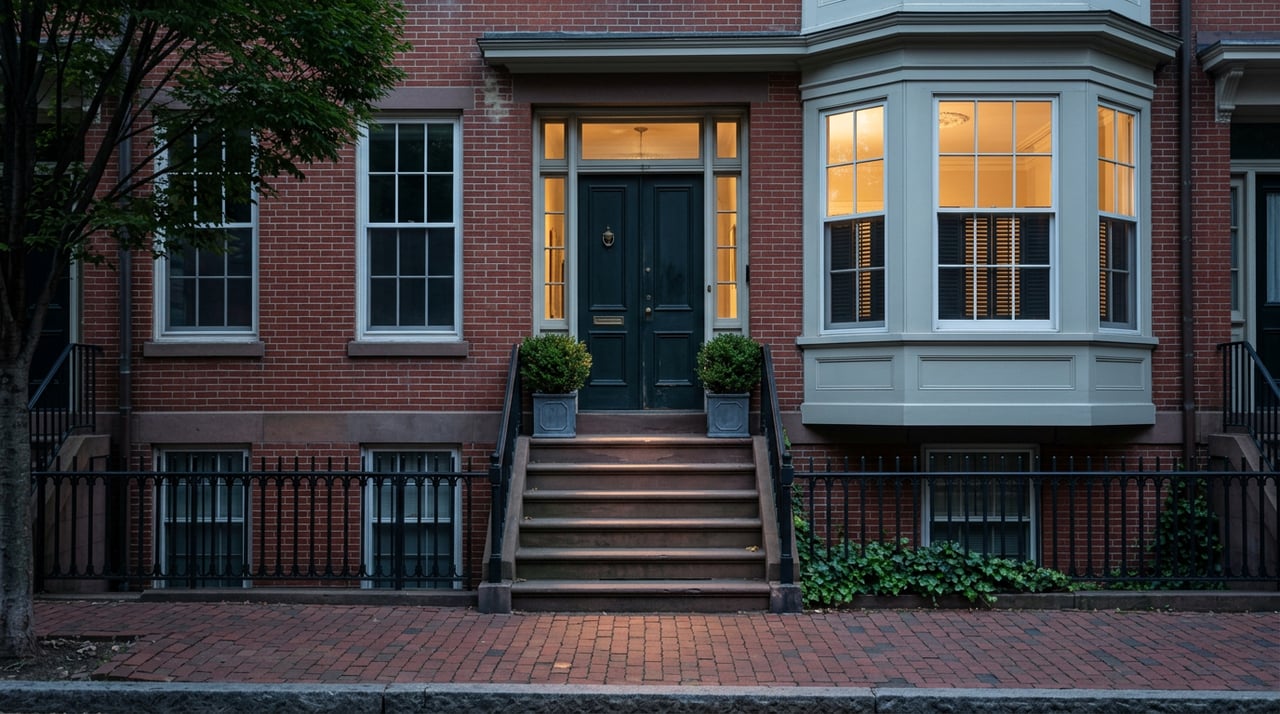
Beacon Hill is not a one-size-fits-all housing market. According to the City of Boston’s neighborhood overview, the area is defined by brick row houses, narrow streets, brick sidewalks, gas lamps, and architecture that reflects old colonial Boston.
That historic character is a major part of the neighborhood’s appeal, but it also shapes ownership in practical ways. Beacon Hill includes not only classic row houses, but also apartment buildings, adaptive reuse properties, and converted brownstones, as noted by the Historic Beacon Hill District overview. That means two homes that look similar from the street can come with very different legal and financial structures.
Condo vs. Townhouse Basics
Before you compare lifestyle, it helps to clarify what you are actually buying. In Massachusetts, a condominium is created through a master deed and governed by an organization of unit owners under Chapter 183A of the Massachusetts General Laws.
A townhouse, by contrast, usually describes a multi-floor attached home with its own entrance and a more house-like layout. But as Chase’s condo vs. townhouse guide explains, a townhouse-style property can still be legally organized as a condominium.
That distinction matters in Beacon Hill. A listing may be marketed as a “townhouse condo,” but your rights and responsibilities will depend on the deed structure, shared elements, and governing documents, not just the architecture.
Ownership Structure Matters Most
In Beacon Hill, the first question is often not “Do I want a condo or townhouse?” It is “Is this property legally a condo, a fee-simple townhouse, or a townhouse-style condo?”
That answer affects who maintains the exterior, how costs are shared, and what happens when major repairs arise. Massachusetts law also recognizes limited common areas, which can include spaces that feel private, such as terraces, decks, or roof rights, but may still be governed by association rules and assigned costs.
Maintenance and Monthly Costs
For many buyers, maintenance is the most immediate tradeoff.
Condos can reduce direct upkeep
According to MassHousing’s homeowner resource guide, a condominium association typically handles common-area maintenance and repairs, collects assessments, maintains insurance, sets rules, and builds reserves. That can simplify ownership, especially if you prefer a more managed property.
The tradeoff is that you will likely pay monthly condo fees, and those fees are tied to the board’s budgeting and reserve planning. If reserves are not sufficient, owners may face higher fees or special assessments.
Townhouses often bring more responsibility
Townhouses usually offer more direct control, but that often comes with more direct upkeep. As Chase notes, some townhouse communities still have HOA fees or shared obligations, so you should not assume townhouse ownership automatically means no association and no monthly fee.
In practical terms, Beacon Hill buyers should look closely at who is responsible for masonry, roofing, stairs, exterior trim, and any building systems that serve multiple units.
Privacy and Daily Living
Lifestyle can be just as important as legal structure.
Townhouses often feel more private
Townhouses generally offer a more house-like experience, often with a private entrance and fewer shared walls. In a dense urban neighborhood like Beacon Hill, that can create a different sense of day-to-day living.
If privacy, separation, and a more vertical single-residence layout matter to you, a townhouse may feel more aligned with how you want to live.
Condos often involve more shared space
Condos typically come with more adjacent neighbors and more shared spaces. Depending on the building, that may also come with more oversight, more building rules, and in some cases more shared services or amenities, as outlined in Chase’s comparison.
For some buyers, that tradeoff is welcome. For others, especially those who value independence, it may feel limiting.
Exterior Changes Are Limited in Both
Many buyers assume a townhouse provides much more exterior freedom than a condo. In Beacon Hill, that is not always true.
Because Beacon Hill is a protected historic district, the City of Boston states that exterior work visible from a public way is subject to review by the Beacon Hill Architectural Commission. The city also advises owners not to begin work or purchase materials before approval is granted.
The district guidelines are especially important if you are thinking about visible updates. According to the Beacon Hill Architectural Commission guidelines, visible roof decks and deck enclosures are considered inappropriate, rooflines should be retained, and equipment such as HVAC components, solar panels, and antennas must not be visible from a public way.
So while a townhouse may offer more privacy or more direct control over the home itself, exterior flexibility is still limited by the district in meaningful ways.
Taxes and Carrying Costs
Your monthly cost picture should include more than just mortgage and fees.
Boston’s FY26 residential tax rate is $12.40 per $1,000 of assessed value. The city also states that qualified owner-occupants may receive the residential exemption, which saved eligible homeowners up to $4,353.74 on their FY26 tax bill.
That exemption is tied to owner occupancy, not whether the property is a condo or townhouse. If you plan to use the home as your primary residence, the Boston residential exemption may be an important part of your carrying-cost analysis.
Reserves and Special Assessments
If you are considering a condo, association health deserves close attention.
MassHousing explains that reserves are intended to cover major future expenses such as roofs, elevators, locks, and HVAC systems. When reserves are underfunded, the result can be higher monthly fees or a one-time special assessment.
That is especially relevant in older housing stock, where repair cycles can be significant. In Beacon Hill, thoughtful due diligence should include the reserve balance, recent capital projects, and whether any major repairs are being deferred.
Which Option Fits You Best?
The better fit depends less on labels and more on how you want to own and live.
A condo may suit you if you want:
- More managed maintenance
- Shared responsibility for common areas
- Potential access to more shared services or amenities
- A simpler ownership structure for day-to-day upkeep
A townhouse may suit you if you want:
- A more private, house-like layout
- A private entrance and fewer shared spaces
- More direct control over maintenance decisions
- A living experience that feels less communal
In Beacon Hill, though, there is one important caveat: architectural style and legal structure do not always match. A townhouse-style home may still be a condominium, and that can materially change the ownership experience.
Questions to Ask Before You Offer
Before you move forward on any Beacon Hill property, make sure you can answer these questions clearly:
- Is the property legally a condominium, fee-simple townhouse, or townhouse-style condo?
- What do the master deed, bylaws, and rules say about exterior maintenance, roof rights, terraces, and limited common areas?
- What are the monthly fees, reserve balances, and any recent or anticipated special assessments?
- What exterior changes would require Beacon Hill Architectural Commission approval?
- Will you occupy the home as a primary residence and potentially qualify for the residential exemption?
- How much privacy, control, and maintenance responsibility do you actually want?
A well-chosen Beacon Hill home can be both a lifestyle fit and a sound long-term hold, but only if the ownership structure matches your expectations.
If you are comparing Beacon Hill condos, townhouses, or townhouse-style condominiums, working with an advisor who understands both the architecture and the fine print can make the process much clearer. To discuss your options with a research-driven, design-aware team, connect with Penney + Gould.
FAQs
What is the difference between a Beacon Hill condo and a Beacon Hill townhouse?
- A Beacon Hill condo is a unit within a condominium structure governed by unit-owner documents, while a Beacon Hill townhouse is typically a multi-floor attached home with a private entrance, though some townhouse-style homes are still legally condos.
Why does legal structure matter for Beacon Hill real estate?
- Legal structure affects what you own, who maintains shared or exterior elements, how costs are divided, and whether spaces like terraces or roof areas are private or limited common areas.
Do Beacon Hill townhouses have fewer rules than Beacon Hill condos?
- Not always, because even townhouse owners in Beacon Hill may still face association rules or historic-district restrictions on visible exterior changes.
Are exterior renovations easier with a Beacon Hill townhouse?
- No, not necessarily, because exterior work visible from a public way is subject to Beacon Hill Architectural Commission review regardless of whether the property is a condo or townhouse.
What should condo buyers review in a Beacon Hill association?
- Condo buyers should review monthly fees, reserve balances, special assessment history, insurance responsibilities, and the governing documents for maintenance and limited common area rules.
Can Beacon Hill condo owners and townhouse owners qualify for the Boston residential exemption?
- Yes, if the property is your primary residence and you otherwise meet the city’s eligibility requirements, the exemption is based on owner occupancy rather than property type.