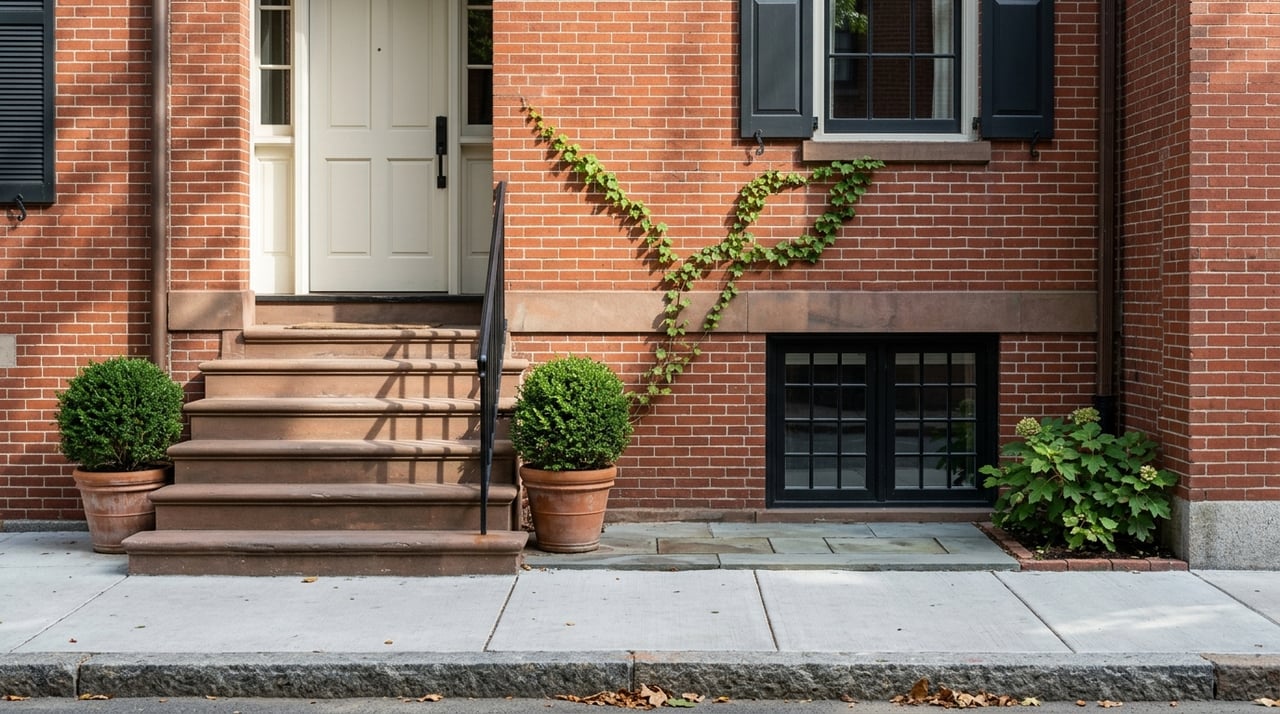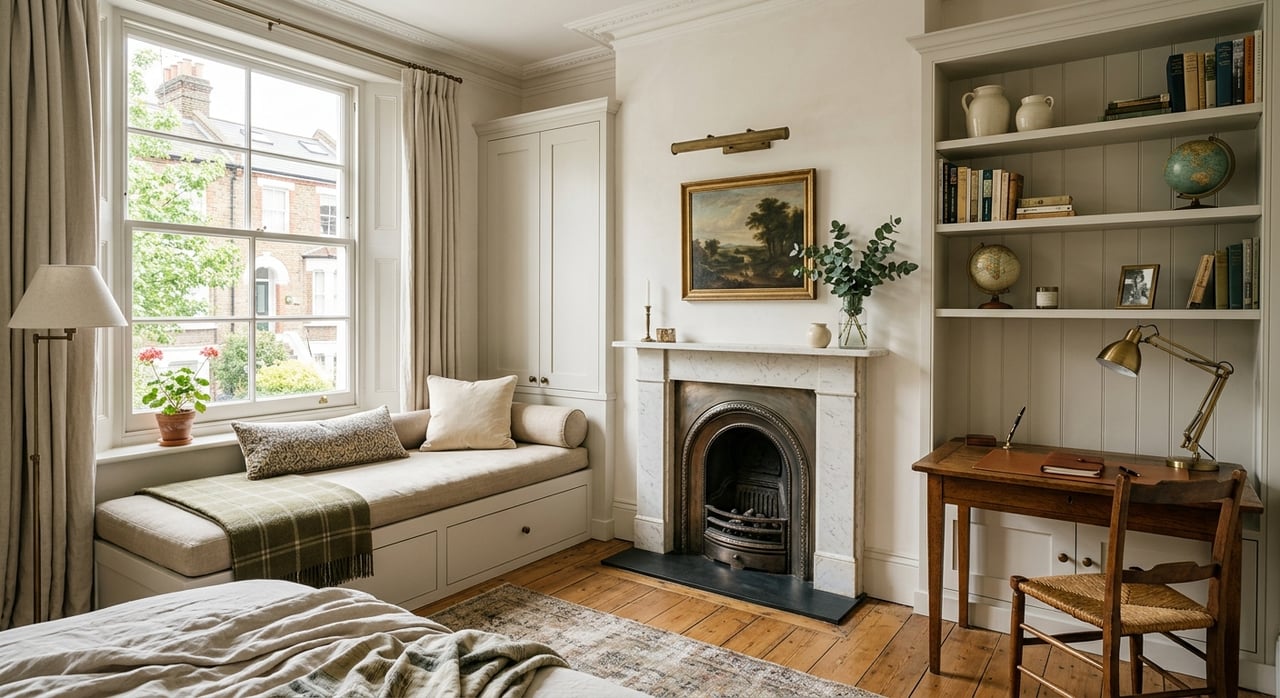
What if the very features that make Beacon Hill homes feel compact are also what make them so elegant? In this neighborhood, narrow plans, stacked floors, and finely detailed interiors are not flaws to overcome. They are part of a historic design language that has shaped daily life for generations. If you are thinking about updating a Beacon Hill home, you can create a more livable space without losing the proportions and character that make it special. Let’s dive in.
Why small-space living fits Beacon Hill
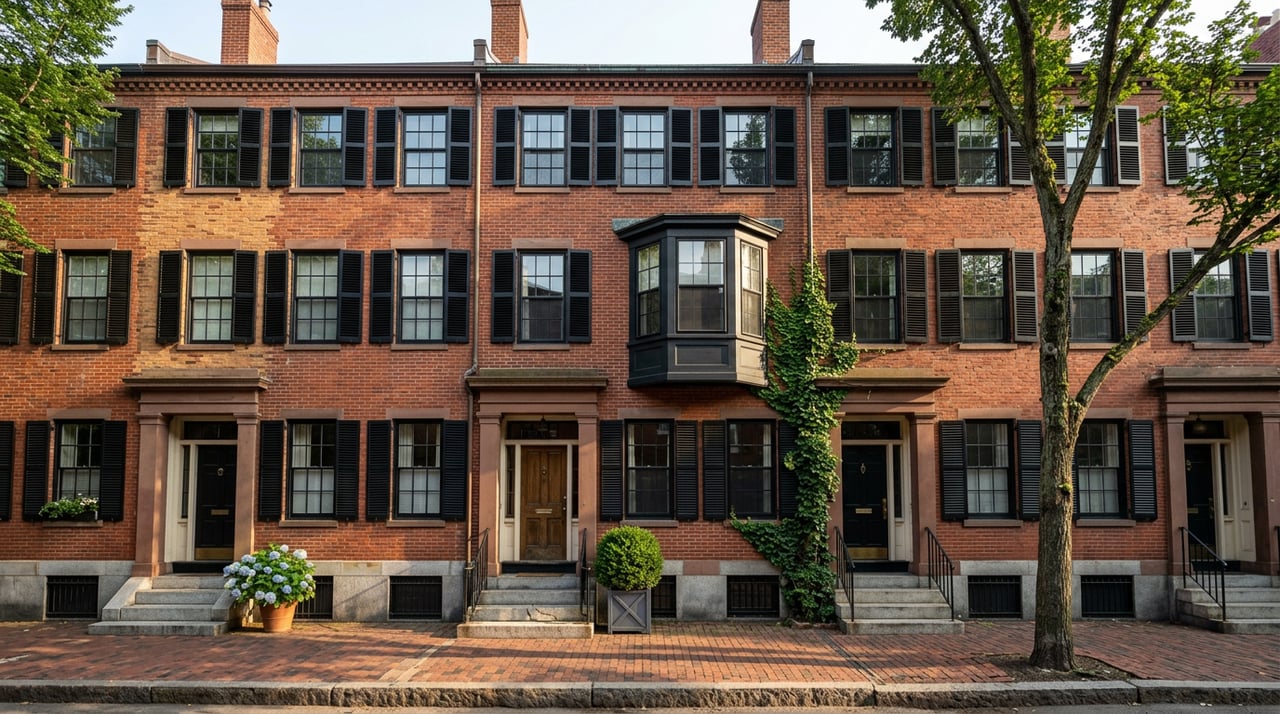
Beacon Hill has long been defined by compact, vertical living. The City of Boston describes the neighborhood as a protected historic district known for brick row houses, narrow streets, brick sidewalks, gas lamps, decorative ironwork, and distinctive doorways, all within a remarkably dense urban setting. In that context, efficient use of space feels natural rather than limiting.
Historic documentation helps explain why interiors often feel tight by modern standards. Early 19th-century rowhouses in Beacon Hill were commonly built as party-wall buildings with stacked floor plans, multiple stories, and relatively narrow footprints, according to the Historic American Buildings Survey. Many included small vestibules, stair halls, principal rooms, rear wings, and finished attic spaces, which still shape how these homes function today.
That history matters because it changes the design goal. In Beacon Hill, elegant small-space living is usually less about making a home feel brand new and more about making the original plan work better for modern life.
Start with preservation-minded planning
Before you choose finishes, cabinetry, or lighting, it helps to understand the review process. The Beacon Hill Architectural Commission reviews exterior changes visible from a public way before work begins and before a building permit is issued. Visibility may extend beyond the sidewalk and can include views from places such as Boston Common, the Public Garden, Storrow Drive, the Charles River Esplanade, and the Longfellow Bridge.
That means even changes that seem modest can require review if they affect the visible exterior. The City advises owners to review standards early, submit complete materials on time, and wait for approval before starting work or purchasing materials. In practice, early coordination can save time, reduce redesigns, and protect the integrity of the home.
For many Beacon Hill properties, the smartest approach is collaborative from the start. If your plans involve windows, roofs, entries, masonry, or any visible addition, architect-led planning and careful contractor input are especially important.
Preserve the features that define the house
Beacon Hill’s design guidelines strongly favor retention and repair over wholesale replacement. The district places emphasis on preserving original rooflines, dormers, chimneys, windows, doors, trim, and ironwork, along with historically appropriate materials and paint colors. Masonry elements such as brick, sandstone, lintels, sills, and stoops should not be painted, and the guidelines prohibit vinyl-clad sash and require true divided lights rather than simulated muntins.
For homeowners, that has a clear design implication. The most successful updates tend to work with the building’s existing proportions rather than trying to override them. A thoughtful renovation respects the facade’s rhythm and uses compatible materials, which often results in a quieter and more refined outcome.
This is especially relevant in small homes, where every visible detail carries more weight. When the footprint is limited, preserving trim lines, door surrounds, handrails, and historic openings can do as much for elegance as adding square footage.
Add storage without flattening character
Storage is often the first challenge in a Beacon Hill home. Because many houses are narrow and vertically arranged, added storage works best when it uses transitional areas and vertical space rather than trying to expand the footprint. Historic floor plans with vestibules, stair halls, attic rooms, and service spaces naturally suggest opportunities for built-ins and better closet organization.
A good rule is to let millwork feel architectural, not added on. Cabinetry tends to look more at home when it aligns with existing trim lines and respects original door surrounds and room proportions. That approach helps you gain function while keeping the home visually calm.
It is also wise to avoid removing character-defining details just to create a bit more storage. The City’s guidelines emphasize retaining features such as cornices, lintels, bay windows, balconies, and handrails, all of which contribute to the building’s identity. In Beacon Hill, the best storage solutions usually feel almost invisible.
Smart storage ideas for Beacon Hill homes
- Use full-height built-ins that align with existing casing and trim
- Consolidate smaller closets rather than scattering freestanding wardrobes
- Add storage beneath stairs or in attic-level rooms where appropriate
- Treat vestibules, hall transitions, and alcoves as useful storage zones
- Keep original surrounds, moldings, and architectural edges intact whenever possible
Improve light while respecting historic windows
Light can make or break a compact interior. In narrow historic houses, rooms often rely on limited exposures, and the instinct may be to enlarge openings or change the window pattern. In Beacon Hill, that is rarely the first or easiest answer.
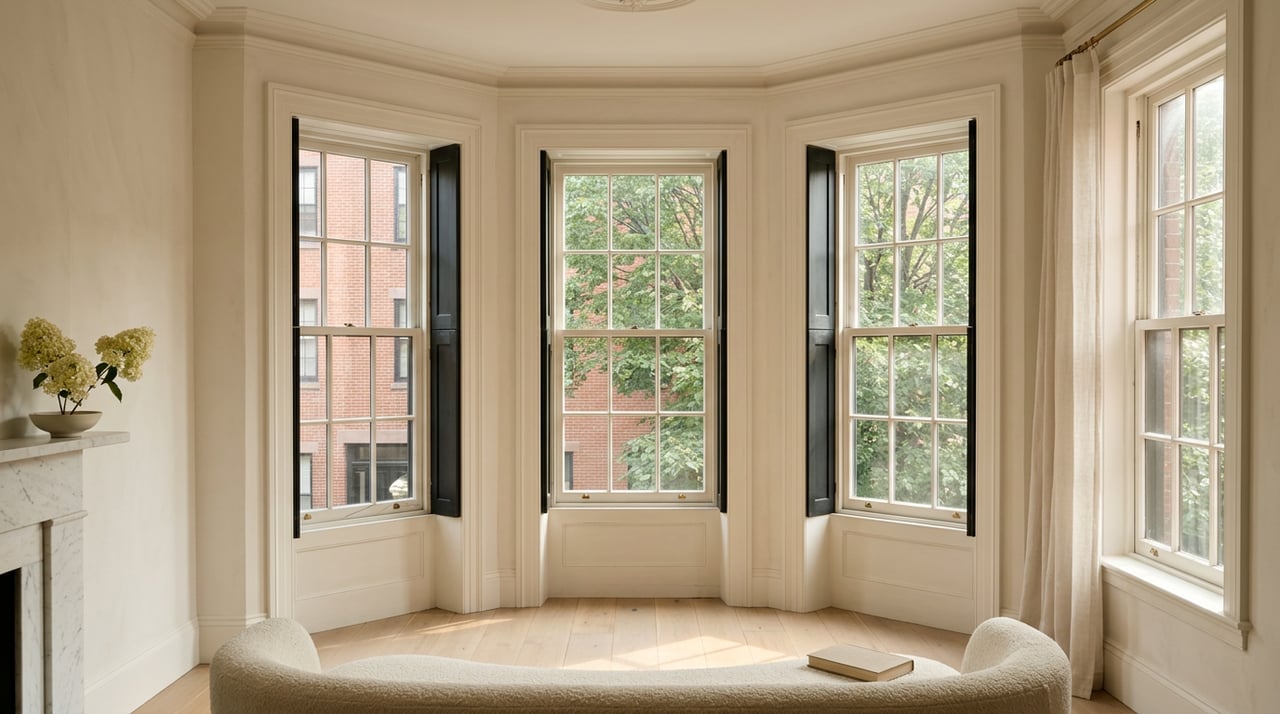
The National Park Service recommends retaining existing windows and glazed partitions, reopening blocked windows where appropriate, and adding new openings only on less visible facades when they are compatible with the building’s character. Its guidance on daylighting in historic buildings aligns closely with Beacon Hill’s local standards, which favor preserving original openings and historic window proportions.
In practical terms, that often makes performance upgrades more useful than visible exterior change. The City notes that interior storm window panels may be an acceptable alternative to exterior storm windows in some cases. For many owners, that means better comfort and efficiency without compromising the facade.
Ways to brighten a compact historic interior
- Preserve existing windows and interior glazed openings where possible
- Reopen blocked windows when appropriate and feasible
- Use interior storm panels instead of exterior changes when allowed
- Place skylights or light wells only where they are compatible and less visible
- Keep partitions selective so light can move deeper into the floor plan
Make rooms work harder, not just larger
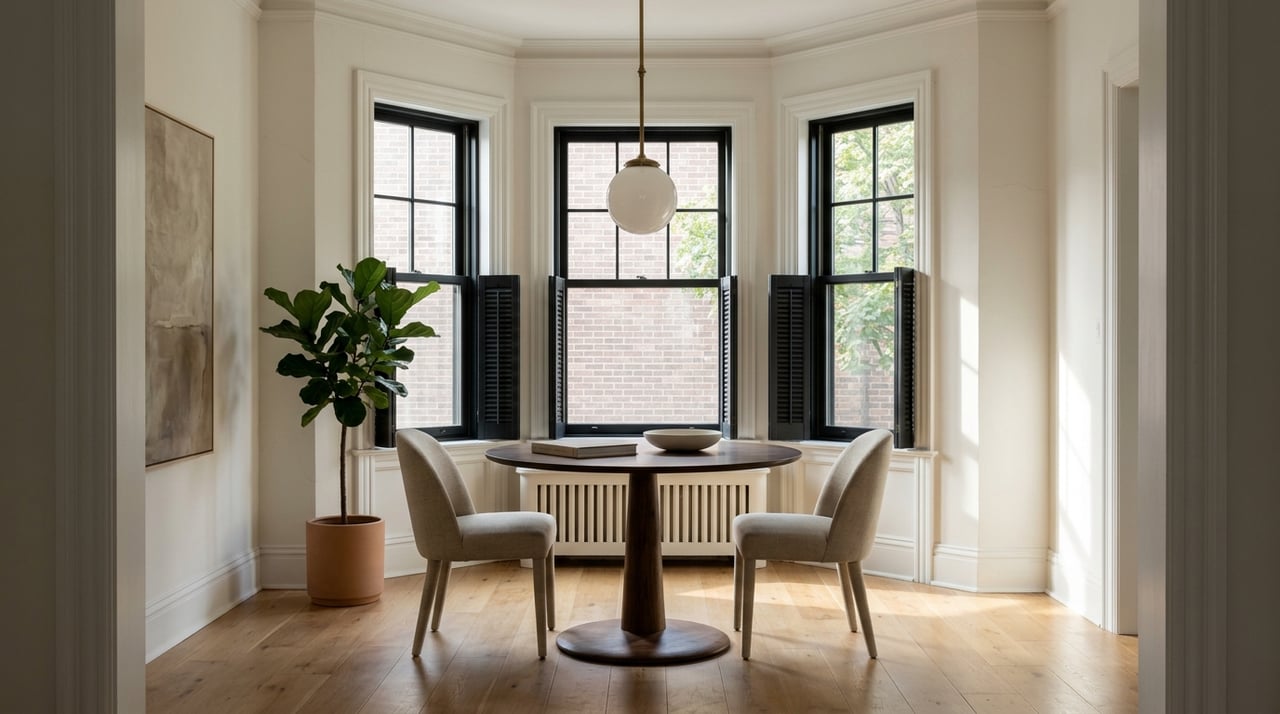
One of the most useful features in Beacon Hill homes is also one of the easiest to overlook: many historic room arrangements already support flexible living. HABS documentation for 33 Beacon Street describes double parlors connected by a wide opening with sliding doors, a layout that naturally supports multiple uses within a formal plan. Living, dining, reading, and work zones can often coexist without erasing the original architecture.
That matters because combining uses is often more effective than chasing one oversized room. If you have two modest spaces connected by a wide opening, they may already function as a graceful multifunction suite. The goal is not to force an open concept where it does not belong, but to understand how the original circulation can support modern routines.
Beacon Hill also has a history of adaptive reuse, with the City noting examples such as stables and carriage houses converted into lofts and studios. That precedent supports thoughtful reprogramming, especially when it respects the structure’s existing form and finishes.
Know when combining rooms makes sense
Homeowners often ask whether two small rooms can become one larger one. In some cases, the answer may be yes, but the best outcome depends on what you are preserving along the way. Wide openings, sliding doors, and paired principal rooms are already part of the neighborhood’s architectural history, which means flexibility does not always require dramatic demolition.
Before combining rooms, look closely at what gives each space its identity. Original partitions, trim, and finishes may contribute more to livability than an extra few feet of openness. In a Beacon Hill setting, elegance usually comes from proportion and sequence, not maximum span.
That is another reason professional planning matters. A careful team can help you identify where a home can adapt gracefully and where preserving the original layout will likely produce the stronger long-term result.
Balance modern comfort with district rules
Beacon Hill renovations tend to succeed when they are selective. The district’s standards discourage visible roof decks and deck enclosures, call for historically appropriate materials, and stress compatibility rather than imitation. Recent city examples show that contemporary work can fit well when it aligns with traditional lot widths, cornice heights, vertically proportioned windows, and transparent facades, rather than copying historic details literally.
That principle is helpful indoors as well. You do not need every update to look antique for it to feel right. What matters is that modern interventions respect the scale, order, and material language of the house.
For a compact home, this can be an advantage. Restraint often produces a more elegant result than over-design, especially in rooms where millwork, stair geometry, and natural light already do much of the visual work.
Design choices that age well
If you are planning a Beacon Hill renovation, a few design priorities tend to hold up particularly well:
- Protect original proportions by keeping openings, trim alignments, and room sequences legible
- Prioritize repair first for windows, doors, ironwork, and masonry features that define the house
- Use built-ins strategically so storage feels integrated rather than imposed
- Improve comfort discreetly through solutions like interior storm panels where appropriate
- Coordinate early with design and construction professionals before making visible changes
These choices may sound modest, but in Beacon Hill, modesty is often what makes a home feel composed.
If you are considering a purchase, sale, or renovation-sensitive move in Beacon Hill, working with advisors who understand both design and neighborhood context can make the process far clearer. Penney + Gould brings a research-driven, architecture-aware perspective to Boston’s historic housing stock, helping clients evaluate what creates livability, preserves value, and supports thoughtful long-term decisions.
FAQs
What makes Beacon Hill homes feel smaller than newer homes?
- Many Beacon Hill homes were built as narrow, multi-story rowhouses with stacked floor plans, small vestibules, stair halls, and compact service spaces, according to Historic American Buildings Survey documentation.
What exterior changes to a Beacon Hill home may require review?
- Exterior alterations visible from a public way are typically reviewed by the Beacon Hill Architectural Commission before work begins and before a building permit is issued.
How can you add storage in a Beacon Hill rowhouse without losing character?
- The most effective approach is usually integrated millwork that follows existing trim lines and room proportions while preserving original surrounds, handrails, and other defining details.
What window updates are most compatible with Beacon Hill preservation rules?
- Preserving existing windows and proportions is generally preferred, and the City notes that interior storm window panels may be an acceptable alternative to exterior storm windows.
Can Beacon Hill homes use multifunction rooms successfully?
- Yes. Historic layouts such as double parlors with wide openings or sliding doors can often support living, dining, and work zones without major changes to the original plan.
Why is early planning important for a Beacon Hill renovation?
- The City advises owners to review district standards early, submit complete materials before deadlines, and wait for approval before starting work or buying materials, which can help avoid delays and redesigns.