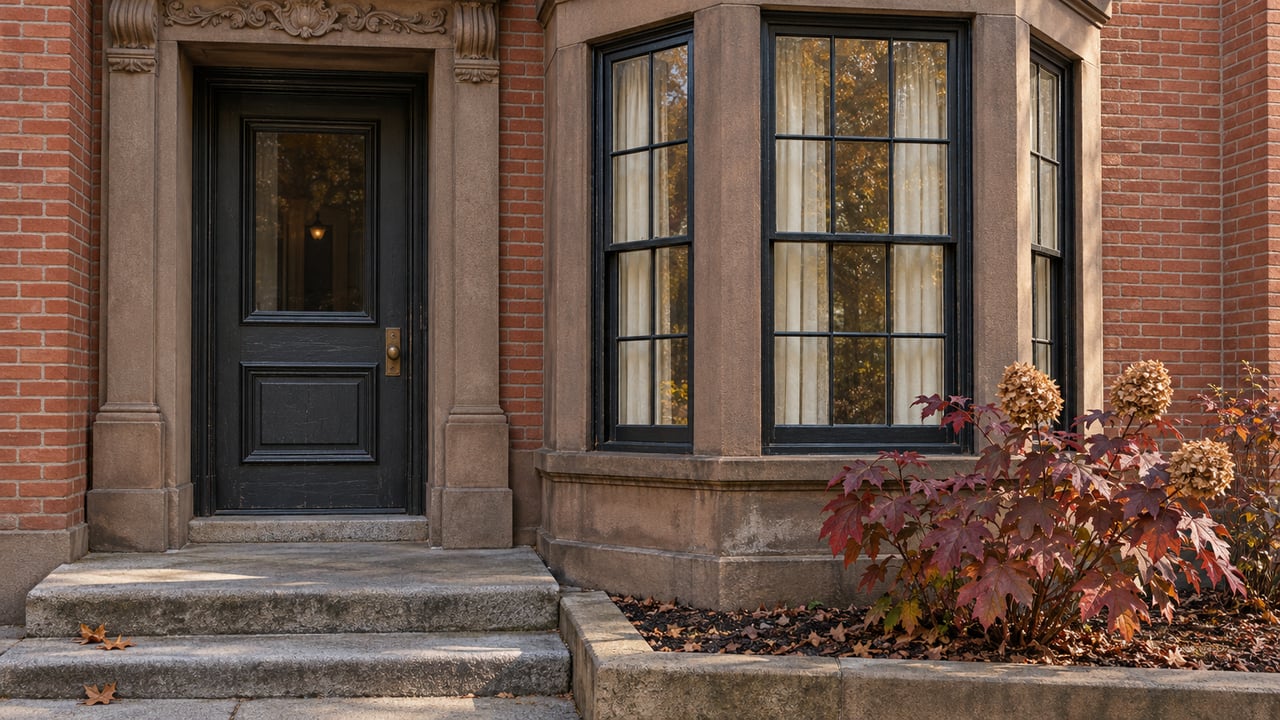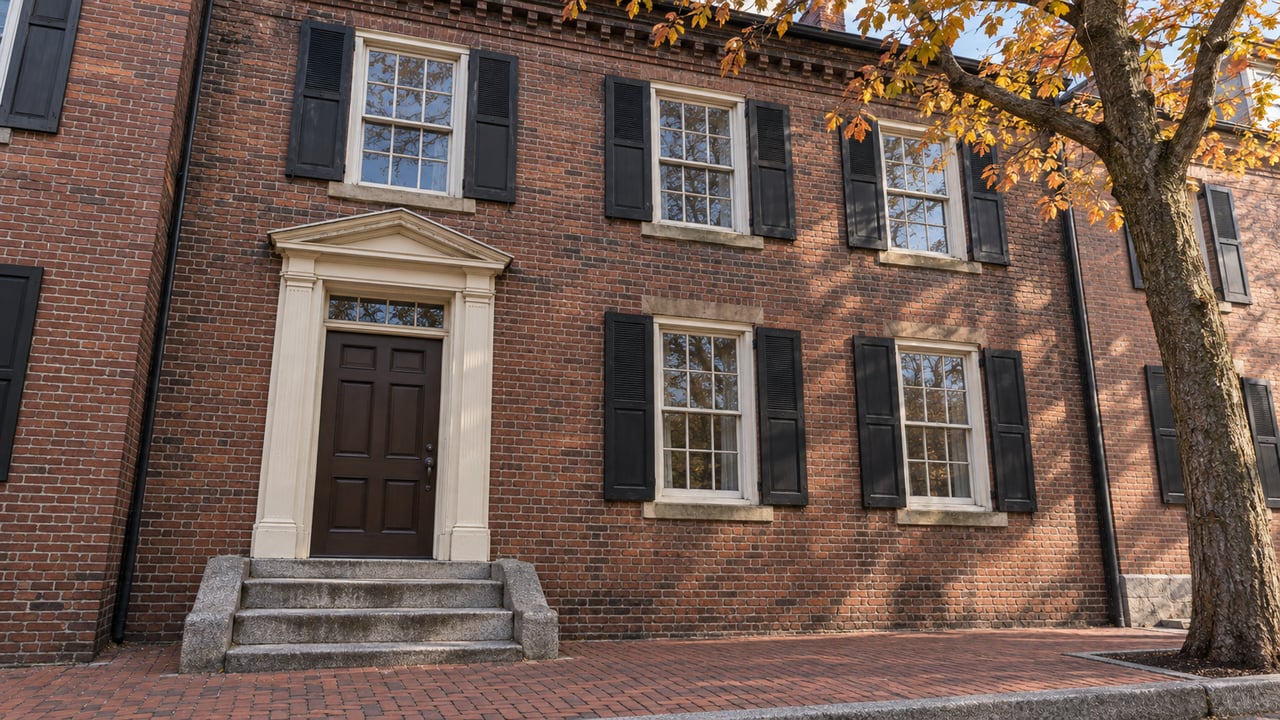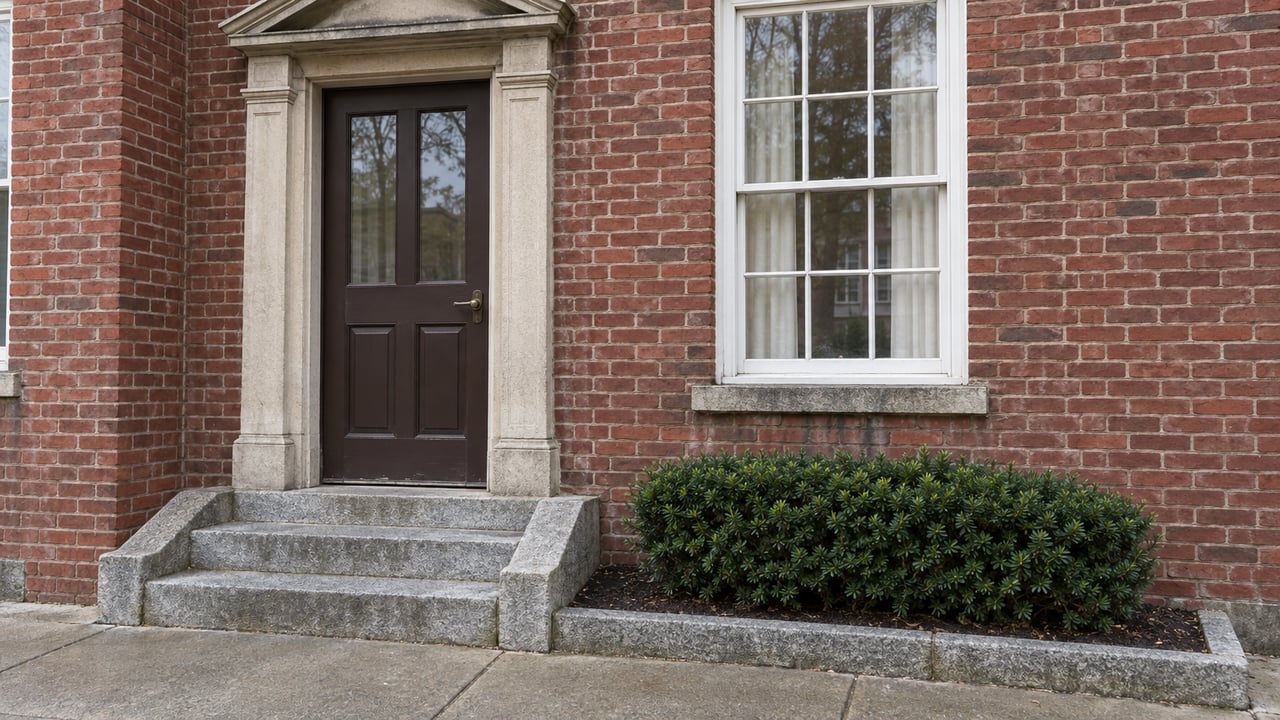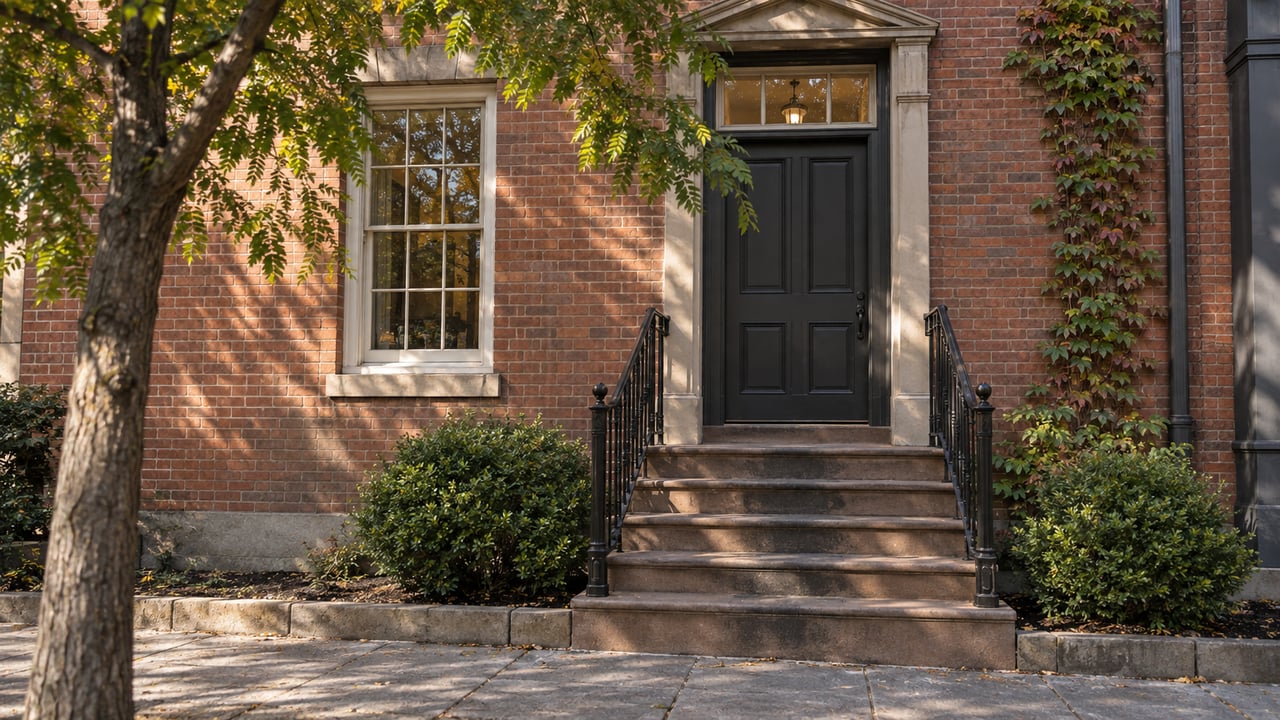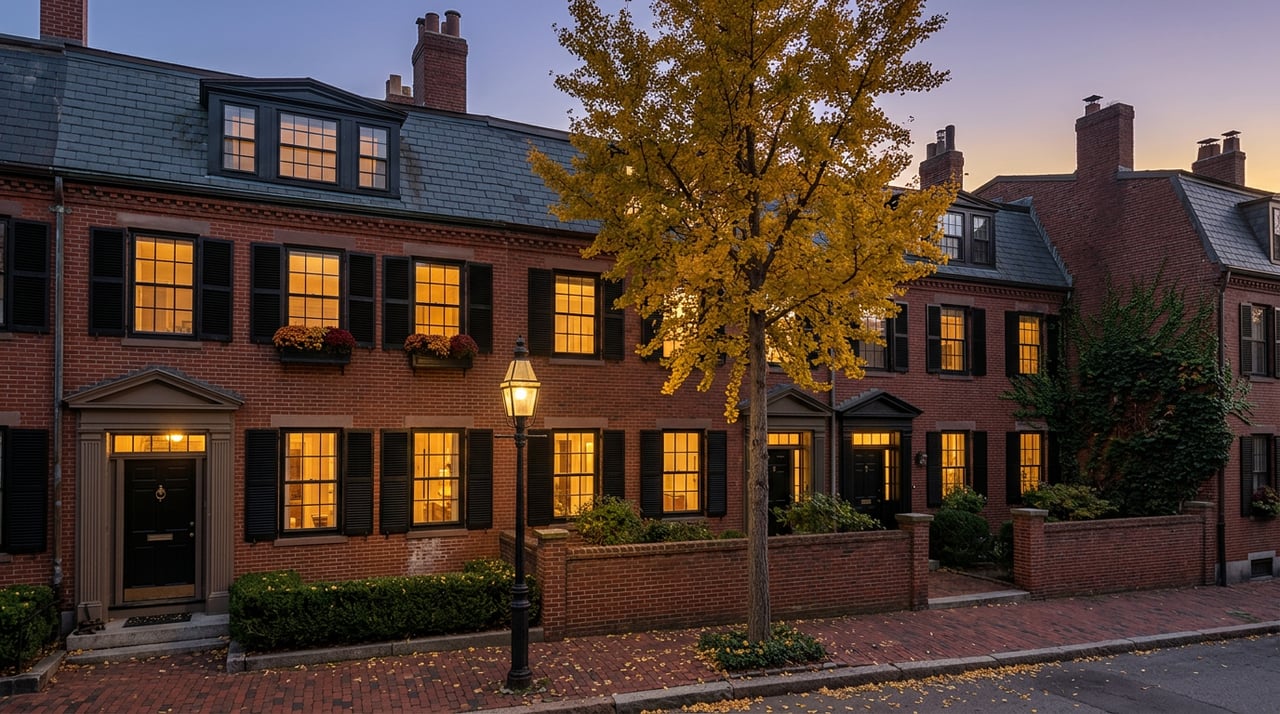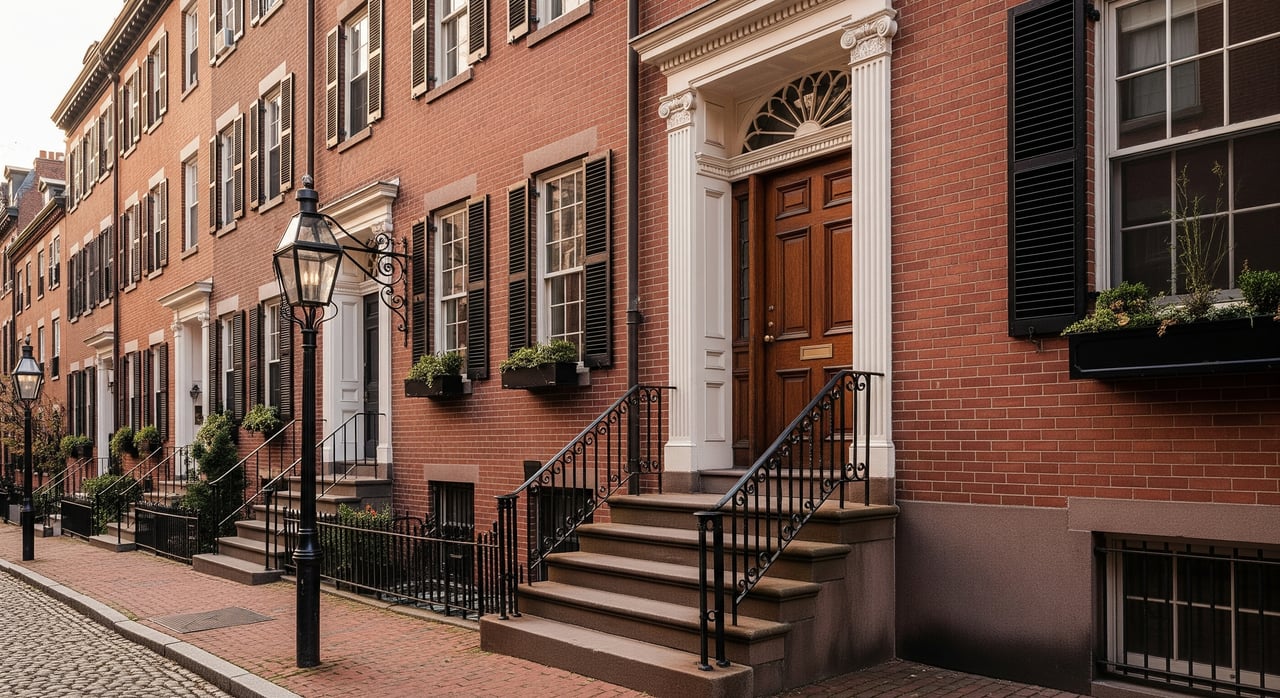
Thinking about restoring a Beacon Hill townhouse or buying one with renovation potential? The neighborhood’s historic charm is a major draw, but it also comes with clear design rules that shape what you can change and how. You want to protect value, avoid delays, and make choices that age well. This guide gives you a practical roadmap to Beacon Hill’s historic guidelines so you can plan with confidence and move forward without surprises. Let’s dive in.
What BHAC regulates in Beacon Hill
Beacon Hill is a locally designated historic district in the City of Boston. Local rules govern changes to building exteriors and any element visible from a public way, including streets, sidewalks, and parks. The Beacon Hill Architectural Commission (BHAC) reviews these changes to ensure they fit the neighborhood’s historic character.
Design review is separate from building, plumbing, electrical, and zoning permits. If your work is visible from the public way, expect to secure BHAC approval before or alongside your other permits. Projects that trigger state or federal involvement may require added review and extra time.
What usually triggers a review
As a rule, any exterior change visible from a public way typically needs BHAC review. This includes obvious work like window and door changes as well as less obvious items on rooftops or rear elevations that can still be seen from alleys or neighboring public points.
Windows and doors
- Repair or replacement of sash or doors, including muntin profiles, glazing patterns, and hardware.
- Changes to openings, storm windows, or operation type. Full replacements are scrutinized and often allowed only when repair is not feasible.
Masonry and chimneys
- Repointing mortar, cleaning, paint removal, and replacing damaged brick or stone.
- Chimney repair or removal if visible from the public way.
Roofs and cornices
- Roofing material changes, visible skylights, dormers, and any roofline alteration.
- Cornice repair or replacement where profiles and detailing matter.
Ironwork, fences, and low garden walls
- Installation or replacement of iron railings, fences, gates, and small walls.
- Height, style, and materials are reviewed for compatibility.
Additions and rooftop elements
- Rear or rooftop additions, vertical expansions, and decks if visible.
- Visibility from streets and public vantage points is the key test.
Mechanical equipment and solar
- Placement of condensers, vents, satellite dishes, and solar panels when visible.
- Screening or relocation is often required to reduce visual impact.
Storefronts and signage
- For mixed-use or commercial street fronts, BHAC reviews signage, lighting, and materials.
Paint and finishes
- Paint on wood trim, iron, and historically painted surfaces may be reviewed.
- Painting previously unpainted masonry is generally discouraged because it can trap moisture and alter appearance.
Small in-kind repairs that match existing conditions often qualify for administrative review. Interior work not visible from the public way is typically outside BHAC jurisdiction.
Preferred materials and treatments
BHAC’s guiding principle is to retain and repair historic materials whenever feasible. When replacement is necessary, the expectation is like-for-like visual compatibility, including profiles, finishes, and workmanship.
Windows and doors
- Repair original wood sash and doors when possible. Keep muntin width, sightlines, and operation consistent with historic character.
- If replacement is unavoidable, closely match the original design. Vinyl windows are typically discouraged for visible elevations.
- Storm windows, when permitted, should be low-profile and finished to blend in. Interior storms are often a better solution.
Masonry, mortar, and cleaning
- Use a mortar mix compatible with historic brick, often a softer lime-based composition rather than hard Portland cement.
- Match color, joint profile, and tooling to the original. Skilled masons with historic experience are recommended.
- Avoid abrasive cleaning. Choose gentle methods for cleaning or paint removal to protect historic fabric.
Roofs, flashing, and drainage
- Use traditional materials where visible, such as slate or appropriate metal. Match color, exposure, and detailing to the original.
- Gutters, downspouts, and flashing should be historically appropriate profiles. Copper and painted metal are common.
Ironwork, wood trim, and ornament
- Retain original cast-iron pieces whenever possible. If replacement is necessary, replicate profiles and patterns.
- Repair and paint wood trim rather than replacing with synthetic materials unless the alternative is proven compatible and necessary.
Mechanical and solar placement
- Locate condensers and vents where they are not visible from the public way. If visibility is unavoidable, plan for discrete screening.
- Solar panels are often permissible when not visible from primary public ways or are minimally visible and reversible. Provide sightline studies to support placement.
The review process and timelines
Every project is unique, but most follow a predictable path. Starting early and submitting a clear, repair-first plan saves time.
Step-by-step overview
Early consultation. Reach out to BHAC staff to review concepts and identify concerns before you finalize drawings.
Application submission. Prepare complete drawings, photos, material samples, and a clear scope of work. Emphasize repair over replacement.
Administrative review vs. hearing. In-kind or minor work may be approved administratively. More substantial changes go to a public hearing.
Decision and conditions. Outcomes may include approval, approval with conditions, denial, or a continuance for additional information.
Building permits and construction. After BHAC design approval, apply for building, plumbing, and electrical permits. Follow approved plans during construction and schedule any required inspections.
Typical timeframes
- Pre-application guidance: 1 to 4 weeks to arrange and receive feedback.
- Administrative approvals: 2 to 6 weeks from submission to decision.
- Public hearings for major changes: 6 to 12 weeks is common, with longer timelines for complex projects.
- Building permits: often 4 to 8 weeks, depending on complexity and completeness.
Plan on 2 to 6 months for visible exterior work from planning through permits. Larger projects with additions or state and federal reviews can take 6 to 12 months or more.
Scheduling tips
Commissions work on set meeting cycles with firm filing deadlines. Missing a deadline can push your hearing to the next month. Factor in New England weather and contractor availability, especially for masonry and exterior finishes. Starting early helps you secure the right window for construction.
A practical roadmap for owners and buyers
- Confirm visibility. Photograph the building from streets and alleys and flag any change visible from a public way.
- Seek early feedback. Contact BHAC staff for preliminary guidance to surface potential issues before you spend on design.
- Hire the right team. Choose an architect, preservation consultant, and contractors with Beacon Hill experience—especially for windows, masonry, and ironwork.
- Prepare a complete package. Submit elevations, sections, profiles, and material data with clear before-and-after photos. Show repair strategies first.
- Build in time for revisions. Expect comments and plan for one or two rounds of updates.
- Coordinate permits. When possible, align design review with building permit applications to shorten the overall timeline.
- Document everything. Keep approvals, conditions, and final photos. These records add value for future buyers.
Buying with renovation in mind
If you are evaluating a Beacon Hill home with potential, focus on elements that drive review complexity. Ask the seller for recent BHAC approvals, a list of exterior alterations, and any notices of violation. Consider a pre-offer walkthrough with a contractor who understands historic materials. They can help you gauge whether windows are repairable, masonry needs compatible repointing, and mechanicals can be relocated out of view.
Look closely at roof visibility from the street, existing dormers, and any rooftop equipment. Confirm whether prior changes were approved. Clear documentation reduces risk and helps you plan a realistic budget and timeline.
Common pitfalls to avoid
- Assuming interior permits are enough. If work is visible from a public way, you likely need BHAC approval.
- Ordering replacement windows before review. Off-the-shelf units may not match profiles or sightlines. Submit details early and prioritize repair.
- Underestimating the meeting cadence. Missing an application deadline can delay your project by weeks.
- Using the wrong mortar or cleaning methods. Hard mortars and abrasive cleaning can damage historic brick. Specify compatible materials and techniques.
- Placing mechanicals in visible locations. Plan for relocation or screening during design, not as an afterthought.
When emergency repairs are needed
If there is an immediate safety hazard, emergency work can often proceed to stabilize conditions. Notify BHAC staff as soon as possible and be prepared to file for after-the-fact approval if required. Document the emergency, the threat to health or safety, and the temporary measures you used.
Neighborhood input, enforcement, and appeals
Public hearings allow neighbors and civic groups to comment. Being proactive and transparent usually helps. Projects done without required approvals risk stop-work orders, fines, and orders to restore prior conditions. If your application is denied, there is often a formal appeal process or the option to revise and resubmit. Confirm procedures with BHAC staff so you understand your path forward.
How we help you plan with confidence
Beacon Hill rewards careful planning. You will move faster and with fewer surprises when your strategy respects historic fabric, shows a repair-first approach, and anticipates visibility concerns. Our team brings architectural fluency and market intelligence to help you scope value-add projects, coordinate with seasoned professionals, and set an efficient timeline that accounts for review cycles and construction windows. We also help sellers assemble a clean dossier of past approvals and maintenance—an asset when presenting a historic property to the market.
If you are exploring a purchase or preparing a renovation in Beacon Hill, connect with Penney + Gould. We will help you frame the opportunity, avoid common pitfalls, and move forward with a plan that protects both design integrity and long-term value.
FAQs
Do Beacon Hill homeowners need approval to change street-visible windows?
- Yes. Window changes visible from a public way typically require BHAC review. Repair of original wood sash is preferred, and replacements must match historic profiles and sightlines.
How long does BHAC approval take for exterior renovations in Beacon Hill?
- Simple in-kind work often takes 2 to 6 weeks via administrative review. Larger changes that go to a public hearing commonly take 6 to 12 weeks, with more time for complex projects.
Are rooftop solar panels allowed on Beacon Hill homes?
- Often yes, if panels are not visible from primary public ways or are minimally visible and reversible. Provide drawings showing sightlines and confirm current BHAC policy.
Can I paint the brick on my Beacon Hill townhouse?
- Painting previously unpainted masonry is generally discouraged because it can trap moisture and alter historic character. Discuss alternatives and cleaning options with experienced professionals.
What if a prior owner made exterior changes without approvals in Beacon Hill?
- Unapproved work can lead to enforcement actions like fines or orders to restore prior conditions. Ask for past approvals and check for any outstanding violations before you buy.
Do I need BHAC approval for mechanical equipment like condensers?
- If the equipment is visible from a public way, you likely need review. Plan to relocate or screen units to reduce visibility and improve approval prospects.
How should I plan around New England weather for Beacon Hill exterior work?
- Align your BHAC review and permit timeline with seasonal conditions. Masonry, roofing, and exterior painting are best scheduled for warmer, drier months to ensure quality and durability.