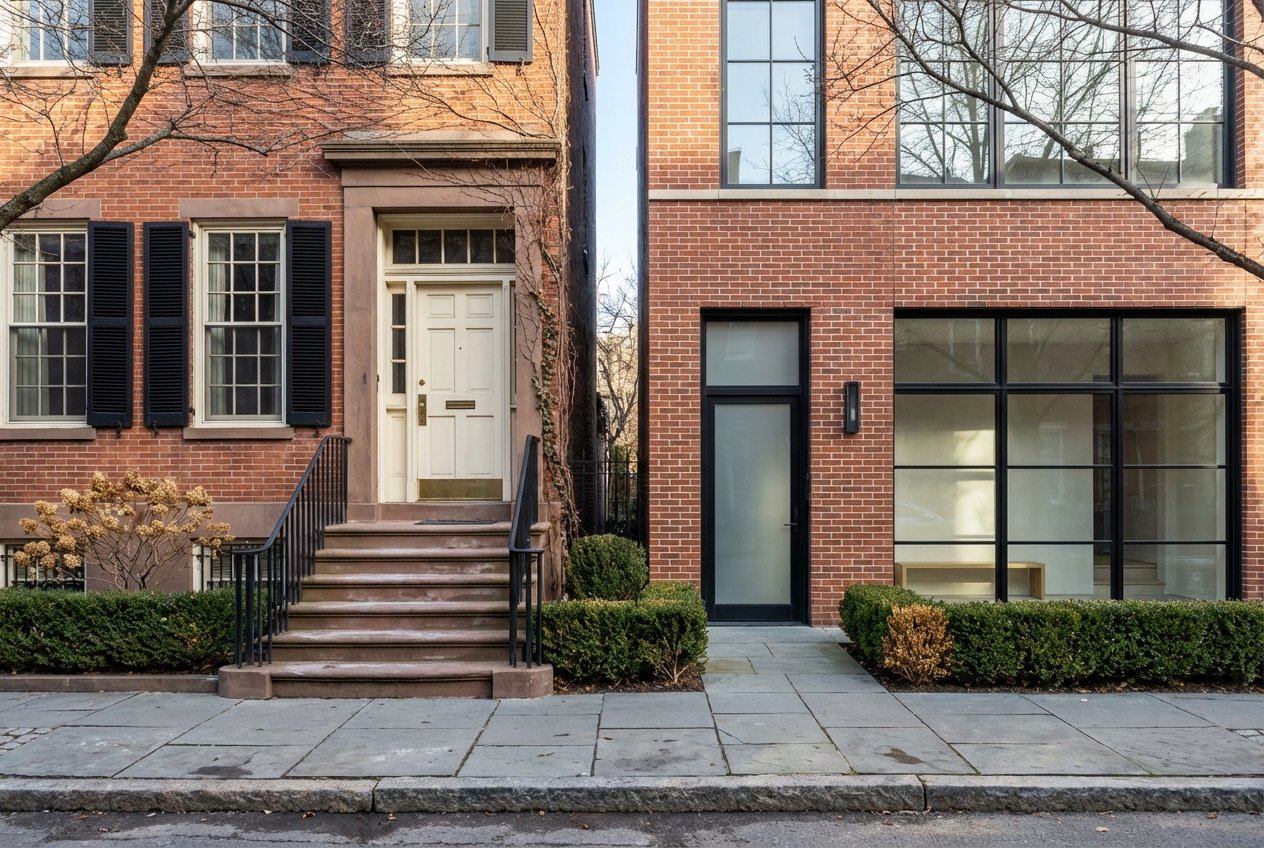
Staring at two Cambridge condos with similar asking prices but very different monthly fees? You are not alone. It is tough to compare when one building includes heat and a concierge while another covers only basics. In this guide, you will learn what condo fees typically include, why they vary between pre‑war walk‑ups and newer buildings, how to budget the true monthly cost, and what to look for in the condo documents before you commit. Let’s dive in.
What your Cambridge condo fee covers
Your monthly fee pays for expenses the association is responsible for. The exact inclusions are spelled out in the master deed, bylaws, and annual budget. Expect to see these core items and confirm them in the documents.
- Master (association) insurance. This covers the building’s common areas and structure as defined in the master policy. It usually does not cover your unit interior, personal property, or upgrades, so you will need a separate HO‑6 policy. Review covered perils, policy limits, and deductibles in the declarations.
- Building systems maintenance and repairs. Roof, façade, windows, elevators, stairs, corridors, and any mechanical systems that serve multiple units. Service contracts and replacement costs show up in the budget.
- Common area utilities and services. Lighting, heating for shared spaces, water for common areas, trash removal, landscaping, snow removal, janitorial, and elevator service contracts. In some older buildings with central steam or hot water, your unit’s heat or hot water may be included. Verify in the budget and your unit deed.
- Professional services and administration. Property management fees, accounting, legal, bookkeeping, software, and bank fees.
- Routine operating expenses. Supplies, pest control, parking lot upkeep, signage, mailroom or package lockers, and amenities like a gym, pool, or roof deck.
- Reserve fund contributions. Regular deposits into a reserve account to pay for major future projects like a roof, boiler, or elevator replacement. The size and funded status vary by association.
- Taxes and assessments in limited cases. You pay your unit’s property tax directly. If the association owns taxable common property or commercial space, those taxes may be paid from the association budget.
- Utilities billed separately. Many buildings meter electricity, gas, internet, and cable to each unit. Confirm which utilities you pay directly.
- Special assessments. Not part of the monthly fee, but owners can be charged for unplanned expenses or big projects. A history of frequent or large assessments can signal future risk.
For legal context on how Massachusetts condominiums operate, review Massachusetts General Laws Chapter 183A, which governs budgets, assessments, and owner rights.
Why fees vary building to building
Two Cambridge condos can feel similar on a showing but carry very different operating costs. Here are the main drivers.
Building size and unit count
Larger buildings spread fixed costs across more units, which can lower the per‑unit share. Smaller associations split the same roof or insurance bill among fewer owners, which raises the monthly fee per unit.
Amenities and services
Concierge, doorman, on‑site maintenance, a gym, pool, or roof deck add ongoing staffing and service contracts. Newer luxury buildings often have more amenities, which leads to higher baseline fees.
Mechanical systems and central services
Central heating and cooling plants, domestic hot water systems, and large mechanical equipment require routine service and eventual replacement. Newer equipment may be under warranty early on, but long‑term replacement costs still need funding.
Building age and deferred maintenance
Older conversions can have aging façades, windows, plumbing, or electrical systems. That can increase reserve needs or lead to assessments. Newer buildings may have fewer near‑term capital expenses but can still have higher fees due to amenities and professional management.
Elevator presence
Elevators are expensive to maintain and modernize. A pre‑war walk‑up without an elevator can avoid those costs, though small buildings may still see higher per‑unit shares for exterior work.
Utility inclusion
Some older Cambridge brownstones include heat or hot water in the fee, often from a central steam or hot water system. Modern condos usually have individual thermostats and separate utility bills. Always compare apples to apples by factoring in what is included.
Reserve funding policy
Associations that follow a formal reserve plan tend to have higher monthly fees but lower risk of surprise assessments. Underfunded reserves may look cheaper each month but can lead to large one‑time costs. For best practices on reserve planning, see guidance from the Community Associations Institute (CAI).
Management model and efficiency
Professional management provides structure and contract oversight, which can stabilize costs. Self‑managed buildings may save on management fees but rely on volunteer time and can be less consistent.
Ownership mix and occupancy
A higher rental share can affect wear, insurance premiums, and collection rates. Elevated delinquencies push more cost onto paying owners.
Pre‑war walk‑ups vs newer construction in Cambridge
- Pre‑war walk‑ups. Typically smaller associations with fewer amenities and no elevator. Some include heat or hot water. They can have aging systems and unique repairs, especially masonry and windows, which may require stronger reserves or periodic assessments.
- Newer buildings. Elevators, amenity suites, professional management, and parking are common. Fees are often higher because of services and staffing. Early years may benefit from warranties, but amenities still carry ongoing costs.
Local context matters. New England winters make snow removal, heating, and roof upkeep recurring line items. Cambridge’s urban setting and proximity to universities can mean higher turnover and more rentals, so review rental policies and delinquency trends. Historic building stock often requires specialized contractors for masonry or window work, which can be expensive.
How to budget your true monthly cost
Turn the advertised fee into a realistic monthly number with this simple method.
- Start with the posted condo fee.
- Add utilities not included in the fee, such as electricity, gas, and internet. Ask the seller for recent bills or averages.
- Add your HO‑6 insurance premium and consider any master policy deductible exposure that could be assessed after a claim.
- Normalize special assessments by reviewing the last 5 to 10 years. If a large assessment occurred, divide it by the expected years to the next similar project and add that amount as a monthly buffer.
- Add parking or storage costs if they are billed separately.
- Plan for fee increases by reviewing the last 3 to 5 years of fee changes and adding a conservative annual growth assumption.
- Add a 5 to 10 percent contingency for unexpected association expenses.
For a plain‑English overview of what HOAs typically fund and where your unit coverage starts, see this consumer guide from Nolo on HOA fees and owner responsibilities.
How to evaluate an association’s financial health
The goal is to understand current operating strength, future capital needs, and your risk of surprise costs.
Documents to request
- Master deed or declaration and all amendments
- Bylaws, rules, and regulations
- Current budget and the prior 2 to 3 years of budgets
- Financial statements and any CPA review or compilation
- Reserve study or capital plan and the current reserve balance
- Accounts receivable and delinquency report
- Minutes from the past 12 to 24 months of board and annual meetings
- Master insurance declarations, including limits and deductibles
- Management contract terms if professionally managed
- Special assessment history and any pending proposals
- List of capital projects completed and planned with cost estimates
Red flags to watch
- Low or zero reserves with an aging building or known deferred maintenance
- Frequent or large special assessments in recent years
- High delinquency rates or weak collection history
- Ongoing litigation involving the association
- Refusal to provide financials, minutes, or reserve documentation
- Insurance gaps or very high master policy deductibles pushed to unit owners
- Excessive vendor turnover or absent professional management where scale suggests it is needed
Non‑financial value considerations
- Are the amenities and services you are paying for ones you will use and value?
- Do the rules fit your lifestyle and resale plans, including pet and rental policies?
- Does the location and walkability justify the fee relative to your needs?
For governance and owner rights, Massachusetts associations follow M.G.L. c.183A. For budgeting and reserves best practices, CAI offers helpful frameworks for boards and buyers reviewing documents.
Where to verify records in Cambridge
- Check the recorded master deed and amendments at the Middlesex South Registry of Deeds, which covers Cambridge. You can confirm common expense allocations and any recorded liens.
- Look for open building violations or orders through City of Cambridge Inspectional Services. Active orders can lead to association expenses.
- Confirm parcel and tax details via the Cambridge Assessing Department.
- If you plan to rent your unit at any point, review local rules on short‑term rentals in Cambridge and the association’s own rental policies.
The bottom line
Condo fees in Cambridge reflect the building’s age, systems, amenities, and fiscal discipline. A higher fee can be a fair trade if it includes heat, full professional management, and healthy reserves that reduce risk. A lower fee is not always a bargain if reserves are thin or major work is looming. When you compare buildings, read the documents, normalize costs, and focus on long‑term value rather than the monthly headline number.
If you want a second set of eyes on the numbers and a clear plan for tradeoffs across buildings, connect with Penney + Gould. We help you weigh service levels, risk, and resale value so you can buy with confidence in Cambridge.
FAQs
In Cambridge, what do condo fees usually include?
- Most cover master insurance, common area utilities and cleaning, routine maintenance, professional management or admin, and reserve contributions, with specifics set in the master deed, bylaws, and budget.
Are heat and hot water often included in Cambridge condo fees?
- Sometimes in older buildings with central systems, especially pre‑war conversions. Many newer condos meter utilities to each unit, so confirm in the budget and your unit deed.
How can I tell if an HOA’s reserves are healthy before buying?
- Ask for the reserve study or capital plan, current reserve balance, and planned projects. Compare balances to recommendations and scan minutes for pending work or assessments.
What is a special assessment and how should I plan for it?
- It is an extra charge to owners for unplanned or large projects. Review assessment history and amortize a realistic monthly buffer into your budget based on past projects.
Do condo fees pay my Cambridge property taxes?
- No. Unit owners typically pay property taxes directly. The association may pay taxes on any common or commercial property it owns, if applicable.
How do fees in a pre‑war walk‑up compare with a newer building?
- Walk‑ups often have lower fees due to fewer amenities and no elevator but may face higher per‑unit costs for exterior work. Newer buildings add services and staffing that raise monthly fees but can reduce near‑term capital surprises.