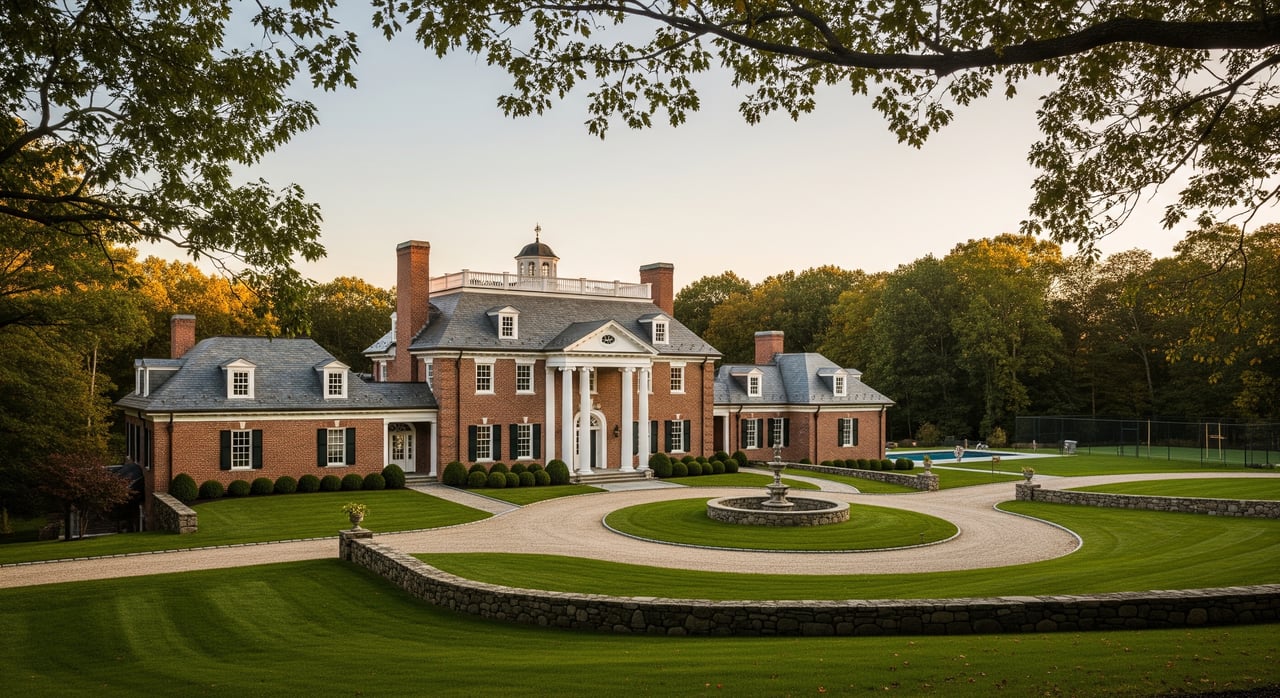
Craving more space and privacy without leaving Greater Boston? If you’re weighing an upgrade from a close-in suburb, Weston’s estate-scale living offers a different rhythm and set of tradeoffs. You get land, seclusion, and the ability to create a true compound, yet you still have practical access to Boston and major employment hubs. In this guide, you’ll learn what “estate-scale” really means in Weston, how daily life feels, the costs to plan for, and how it compares to Newton, Wellesley, and Brookline. Let’s dive in.
What estate-scale means in Weston
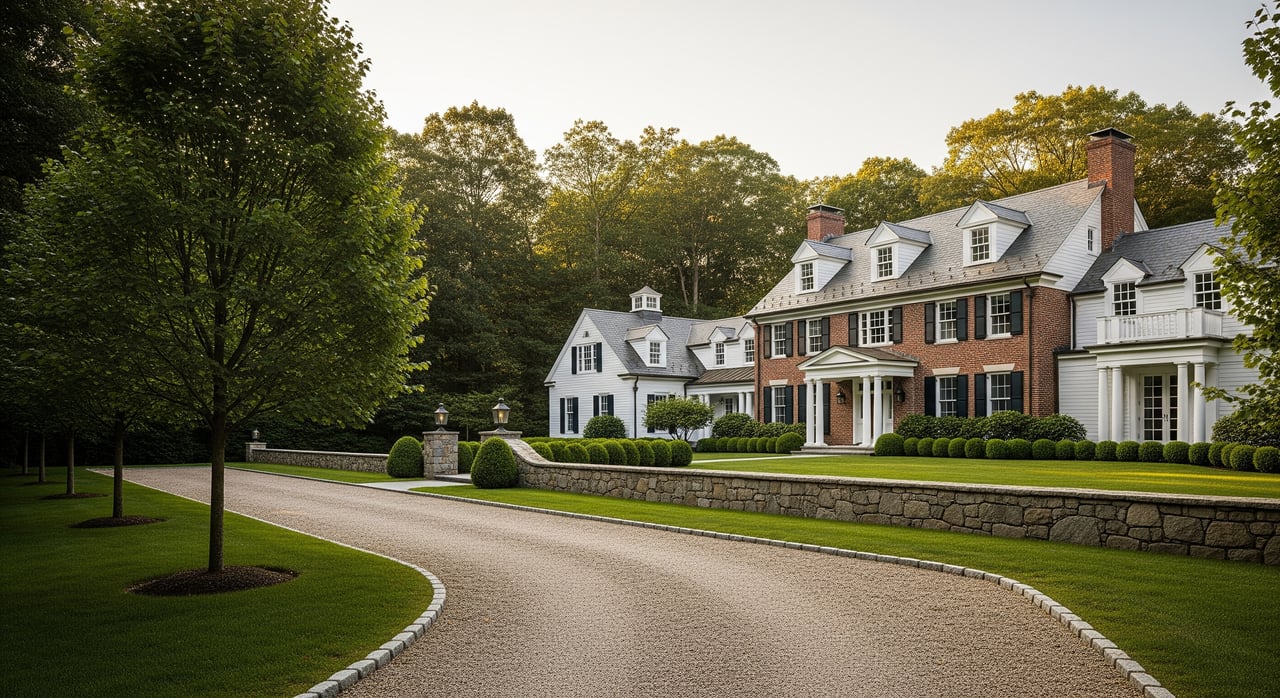
Estate-scale in Weston centers on land, privacy, and architectural presence. Lots commonly span an acre or more, and zoning patterns favor low-density neighborhoods with significant setbacks and mature tree cover. Long drives and wooded buffers make most properties feel secluded even when they sit near town roads.
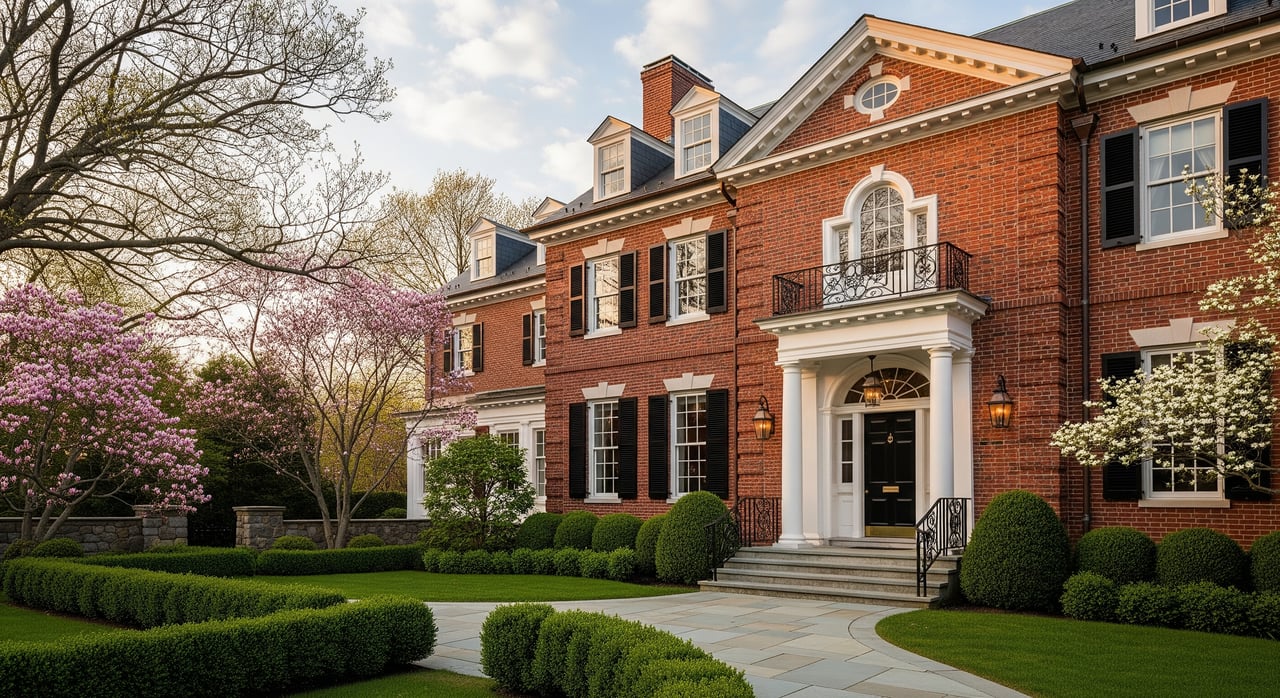
Homes tend to have larger footprints, often with generous square footage and multiple living zones. You see a mix of classic New England architecture, including Colonial and Georgian revivals, Tudor and Shingle styles, alongside thoughtfully executed contemporary builds and renovations. Many properties include guest or in-law spaces that support multi-generational living or long-term hosting.
Amenities you can expect
On-site amenities are a hallmark of estate living. Pools, tennis courts, large garages and workshops, extensive gardens, and outdoor entertainment areas are common. Some properties offer acreage uses such as equestrian features, subject to local rules. The combination of land and structure size supports a lifestyle focused on hosting, hobbies, and indoor-outdoor flow.
Daily life on an estate lot
Space, hosting, and storage
If you value room to spread out, Weston delivers. You can host large gatherings without sacrificing privacy, dedicate a wing to guest quarters, and maintain separate areas for fitness, office, and recreation. Large garages and outbuildings handle car collections, gear storage, and project spaces with ease.
Mobility tradeoffs
Weston’s semi-rural feel comes with lower walkability than closer-in towns. Most daily errands require a car. The town offers strong access to Route 128 and the Mass Pike, which suits many driving commutes. Transit options within Weston are more limited than in Newton or Brookline, so it helps to consider your routine carefully and how peak-hour traffic affects your schedule.
Weston vs. Newton, Wellesley, Brookline
Lot size and density
Weston leans lowest-density, with larger lots and a park-like feel. Newton varies by village, with some streets offering larger parcels but many areas running sub-acre. Wellesley sits between the two, mixing estate pockets with a more compact, center-focused pattern. Brookline trends denser, with smaller lots, attached homes in places, and a distinctly in-town character.
Walkability and transit
If you prioritize walking to shops and restaurants or direct MBTA access, Brookline and parts of Newton stand out. Wellesley blends village centers and commuter rail in some locations. Weston emphasizes privacy and land over daily walkability, with car-based routines and highway proximity as the primary mobility advantage.
Schools and community
All four towns are known for strong public school reputations. In Weston, schools are a key draw for many buyers and align with the town’s low-density, leafy setting. Because estate neighborhoods are dispersed rather than gated or concentrated, your experience can vary by street and micro-area while retaining the town’s overall quiet, residential feel.
Ownership costs to plan for
Estate-scale properties carry higher ongoing costs than standard suburban homes. Budgeting proactively will help you enjoy the lifestyle without surprises.
Maintenance and staffing
- Landscaping, lawn, and tree care, including periodic arborist visits for mature canopy.
- Pool and spa service, plus seasonal opening and closing.
- Driveway plowing, repairs, resurfacing, and any gate or security system upkeep.
- Housekeeping schedules and, for larger compounds, a property manager to coordinate vendors.
Many owners use a simple rule of thumb and budget about 1 to 3 percent of a home’s value per year for maintenance. Your actual number will depend on property scale, amenity mix, and the age of systems.
Systems, utilities, and infrastructure
Large homes require robust mechanical systems and attentive upkeep. On bigger lots, you may find private septic and, in some cases, private wells. Long utility runs, drainage, and tree maintenance are common cost centers, especially on wooded parcels. Before you plan additions like a pool or expanded irrigation, check water and septic capacity and understand how upgrades affect permitting.
Insurance and risk management
High-value properties require comprehensive insurance planning. Consider umbrella coverage and liability related to pools or guest houses. If a lot sits near wetlands or a mapped flood area, factor in additional due diligence. Tree assessments can be important for both safety and long-term landscape health.
Resale and investment view
Buyer pool and liquidity
Estate properties attract a narrower, more specialized buyer set than typical single-family homes. That can mean longer marketing windows and more selective demand. The drivers of value are privacy, land size, and overall property quality, which can command premiums close to Boston.
Land value over time
Scarcity supports land value in Weston, which helps underpin long-term investment potential when the property is well located and well maintained. The flip side is market selectivity, especially if buyer preferences shift toward walkability or transit access in other cycles. Focusing on timeless design, functional layout, and a strong site can help protect value.
Renovation, permits, and potential
Additions and amenities
Older estates can need meaningful updates, from kitchens and envelopes to mechanicals and roofs. Pools, courts, and accessory structures typically require building permits and may involve additional reviews. Conservation and historic frameworks in Weston can influence design scope, timelines, and siting, so it pays to plan ahead and sequence vendors early.
Subdivision realities
Subdivision can be possible on certain large lots, but it is not automatic. Zoning minimums, frontage requirements, wetlands and buffer zones, and the planning review process all come into play. Each site is different, and recent approvals or denials offer helpful precedent. If subdivision is part of your investment thesis, treat it as a scenario to analyze rather than a guaranteed outcome.
Smart first steps
- Define your priorities. Rank privacy, acreage, commute patterns, and amenity needs so tradeoffs are clear.
- Study the site. Review lot lines, topography, tree canopy, and potential wetland or flood overlays early in your search.
- Plan for utilities. Confirm septic, well, or municipal connections and understand implications for future upgrades.
- Budget realistically. Build a maintenance plan that reflects your amenity mix and staffing preferences.
- Think ahead on design. If you plan to add a pool, court, or guest house, understand likely permitting pathways and timeline.
- Compare towns with intent. Walk properties in Weston and drive the same routes from Newton, Wellesley, and Brookline to feel the daily rhythm.
If estate-scale living aligns with how you want to live, Weston offers a rare combination of space, privacy, and proximity to Boston. When you pair the right site with thoughtful design and a solid maintenance plan, you get a property that serves as a long-term base for hosting, work, and retreat.
Ready to explore specific streets, micro-markets, and property scenarios that fit your goals? Connect with Penney + Gould for research-driven guidance and a discreet, concierge search.
FAQs
What makes Weston estate-scale different from closer-in suburbs?
- Larger lots, deeper setbacks, and mature tree cover create more privacy and a semi-rural feel, while Newton, Wellesley, and Brookline generally offer smaller parcels and greater walkability.
How private are Weston estates in practice?
- Privacy is typically high due to acreage and buffers, but it varies by street, orientation, and any recent subdivisions, so it helps to review site plans and aerials.
What are typical annual upkeep costs for a Weston estate?
- Many owners budget about 1 to 3 percent of home value per year for maintenance, with actual costs driven by lot size, amenities like pools, and the age of systems.
What is commuting like from Weston to Boston?
- Most residents rely on car commutes using Route 128 and the Mass Pike; transit is more limited than in Newton or Brookline, so routine and peak-hour timing matter.
How does resale for Weston estates compare to Newton or Brookline?
- Weston estates target a narrower buyer pool that pays for land and privacy, which can mean longer market windows than denser towns that emphasize walkability and transit.
Can I add a pool, tennis court, or guest house on a Weston lot?
- Often yes, subject to permitting and any conservation or historic reviews; each site’s utilities, setbacks, and environmental factors will shape what is feasible.
Is subdivision possible on a large Weston property?
- It may be, but zoning minimums, frontage, wetlands, and planning reviews make it site-specific, so treat subdivision as a scenario to evaluate rather than a certainty.