Shopping for a Weston home with room to breathe, but unsure what you can build or add later? You are not alone. Between large lots, conservation buffers, and septic rules, Weston’s zoning shapes privacy and potential in ways that are not always obvious on a drive‑by. This guide breaks down the essentials on lot sizes, setbacks, coverage, and due diligence so you can buy with confidence. Let’s dive in.
Why Weston’s zoning feels different
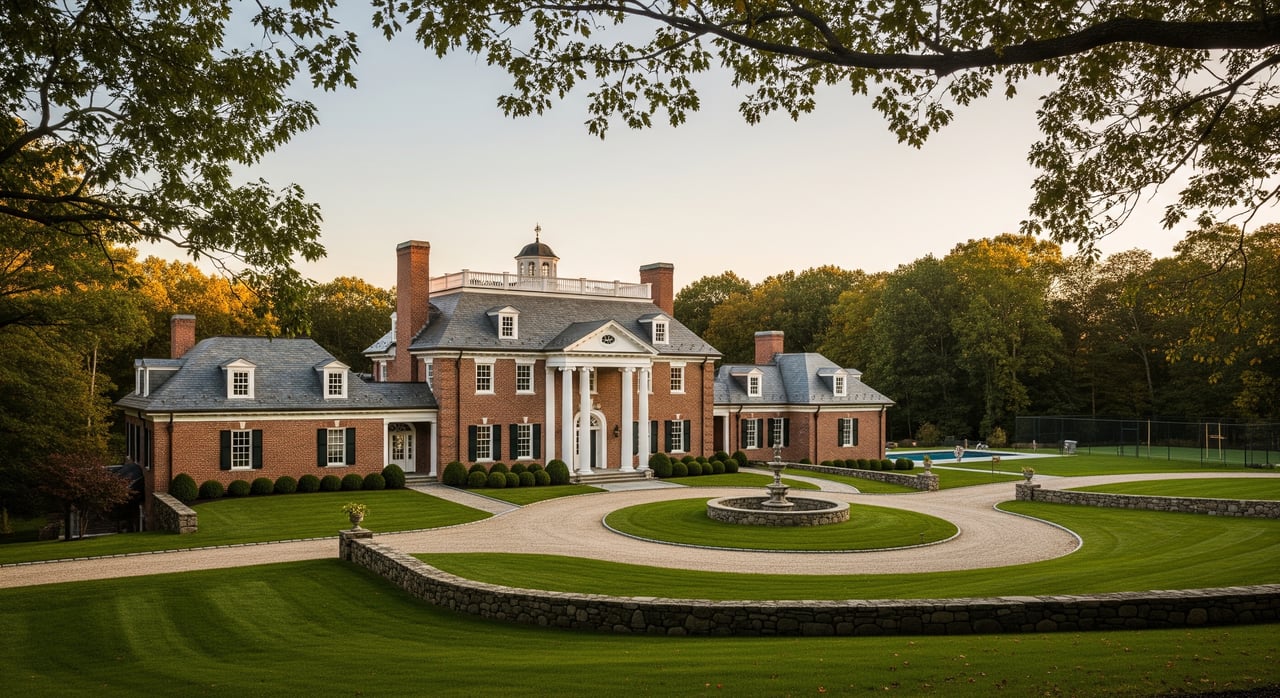
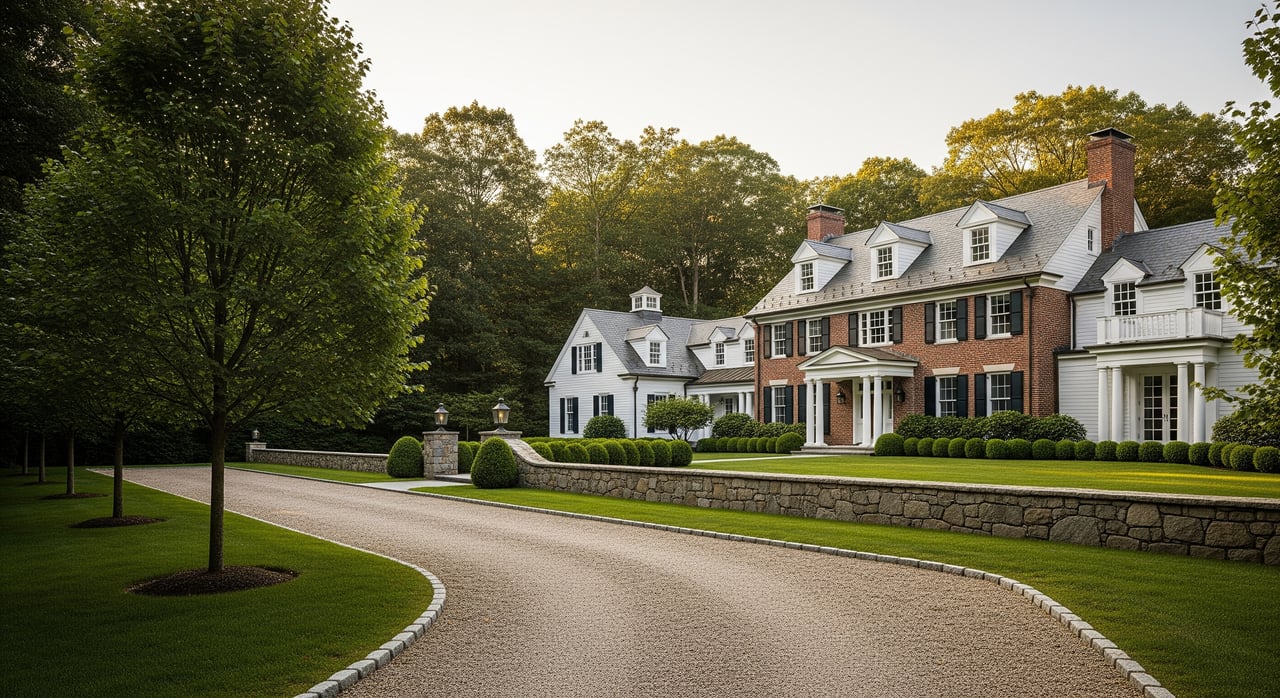
Weston is known for low‑density, single‑family neighborhoods with estate‑scale properties, mature tree cover, and generous yards. Many parcels are around an acre or larger, and it is not unusual to see multi‑acre estates. In a few older subdivisions and village pockets, you will find smaller lots under half an acre. These patterns support privacy, longer driveways, and deeper setbacks that shape how homes relate to the road and to neighbors.
For you as a buyer, this means a property’s proportions, tree canopy, and frontage often matter as much as interior square footage. The town’s rules are designed to preserve open character and protect natural resources, which helps support long‑term value and neighborhood consistency.
Lot size and frontage basics
Every parcel sits in a zoning district that sets minimum lot area and required road frontage. These two numbers influence whether a parcel can be built on, whether it is nonconforming, and whether it could be subdivided. In many Weston districts, minimums are large, which limits straightforward subdivision. A few districts and older subdivisions allow smaller lots, but you should verify the district for the specific address.
If you are evaluating a multi‑acre property for potential division, start by confirming the minimum lot area and frontage for the district, then look closely at wetlands, slopes, and septic suitability. Even when the math looks simple, practical constraints can reduce what is truly possible.
Setbacks and the buildable envelope
Setbacks are the minimum distances buildings must sit from the front, side, and rear lot lines. They control where a house, addition, or pool house can go and how visible it is from the street or neighbors. In low‑density New England towns like Weston, you can expect front setbacks to be measured in tens of feet and side setbacks to be in double digits. Always confirm the actual numbers for the parcel’s zoning district.
Height limits and other envelope rules further shape massing. The combination of height and setbacks determines the volume you can build and how a new house might present compared to nearby homes. If you want a grander profile, study how height and roofline rules interact with the lot’s shape and topography.
Coverage, floor area, and impervious limits
Lot coverage, floor‑area ratio, and impervious surface limits cap how much of a lot can be covered by buildings, driveways, and hardscape. These rules preserve open space, protect against stormwater impacts, and keep the scale of improvements in line with the neighborhood. They are also central to privacy and landscape design, because they affect how much patio, pool deck, or court you can add.
If a property includes wetlands or buffers, expect those areas to reduce the effective buildable area and influence siting of structures and amenities. Plan to coordinate building and landscape design together so you stay within coverage limits while meeting lifestyle goals.
Septic, wells, and utility realities
Many Weston properties rely on private septic systems and, in some cases, wells. State Title 5 and local Board of Health rules set minimum distances between septic systems, wells, buildings, and water features. In practice, septic siting is often the limiting factor for additions, pools, or detached outbuildings on otherwise large lots. If the existing system is older or located in a tight spot, replacement or expansion may be difficult.
Before you plan a major project, review Board of Health records for the septic design, any perc tests, and recent Title 5 inspections. This can save you time and help avoid a design approach that is not feasible.
Conservation and historic overlays
The Conservation Commission administers the Massachusetts Wetlands Protection Act and local wetlands bylaws. Resource areas and buffer zones can restrict building, grading, and tree clearing, which can reshape driveways, utilities, and home placement. Some roads are designated scenic, and private deed covenants may limit exterior changes, tree removal, fences, or outbuilding locations.
Even if zoning allows an improvement, a conservation review, scenic road approval, historic review, or a private covenant can add conditions or prohibit certain changes. Ask early about any overlays or recorded restrictions that apply to your property.
Accessory units and outbuildings
Rules for accessory dwelling units, guest houses, garages, and pool houses vary by town. Massachusetts has encouraged ADU allowances, but local implementation differs. In Weston, you should confirm any ADU size limits, owner‑occupancy requirements, parking, and permit steps before you rely on a separate in‑law or rental unit.
Outbuildings and pools must meet setbacks and may count toward lot coverage or impervious limits. Septic and stormwater design are common gating factors for new hardscape.
When you need special approvals
Not every design fits neatly within by‑right rules. Variances and special permits are tools that allow certain departures from zoning, issued by the Zoning Board of Appeals or other special permit authorities. These approvals are discretionary, can take time, and carry uncertainty.
If you are considering a creative site plan or changes on a nonconforming lot, build time for hearings into your schedule and get clear on likely conditions and precedent. Pre‑application conversations with town staff can be very helpful.
Your Weston due diligence checklist
Use this list to de‑risk your purchase or project and to size up what is truly possible on a specific parcel:
- Identify the zoning district and pull the current Zoning Bylaw and Zoning Map for the property.
- Order a certified plot plan or survey showing boundaries, structures, driveway, contours, and wetlands; compare to setback and coverage rules.
- Obtain the deed and review for private covenants, easements, and rights‑of‑way that limit use or subdivision.
- Pull Board of Health files for septic designs, perc tests, and any Title 5 records; confirm well locations if applicable.
- Ask the Conservation Commission about resource areas, buffers, and any recorded conservation restrictions or Orders of Conditions.
- Confirm with the Building Department permitted uses, applicable setbacks, allowable coverage, height, and any prior zoning determinations.
- Check whether the property lies in a historic district or triggers Historic Commission review.
- Review the town’s GIS or assessor mapping for lot area, contours, and neighboring patterns to understand realistic privacy and sightlines.
- For subdivision ideas or new lot creation, consult the Planning Board on frontage, access on a legal public way, and design standards.
- If larger changes are possible, request pre‑application meetings with the Town Planner, Conservation Administrator, and Health Agent to surface constraints and typical timelines.
Important note: Zoning numbers, setback distances, and lot‑size minimums are set in the town’s current Zoning Bylaw and can change. Always verify a specific parcel’s zoning designation, numerical requirements, and any recorded restrictions with Weston’s official records and the relevant town departments before making purchase decisions or planning construction.
Strategy for value, privacy, and resale
Large, well‑situated lots that allow meaningful buildable area for a house plus amenities are relatively scarce in Weston and often command a premium. Conservation and septic constraints can reduce future development potential, which can protect privacy while limiting speculative upside. Privacy is both legal and physical. Setbacks and buffers set the legal distance, while tree cover, topography, and neighboring layouts create the lived experience.
When planning improvements, consider how your ideas fit the neighborhood scale and typical buyer expectations in Weston. Highly customized estate features that ignore context can face higher resale friction. For financing, remember that major renovations or new construction can affect insurance, appraisal, and loan approvals, especially where septic or permits are involved.
Planning a move or project in Weston?
If you want a clear read on lot potential, permitting pathways, or how privacy translates to value, let us help you navigate the details with discretion. Connect with Penney + Gould for research‑driven guidance and a tailored plan that aligns with your goals.
FAQs
Can you subdivide a 3‑acre lot in Weston?
- Possibly, but feasibility depends on the district’s minimum lot area and frontage, presence of wetlands or slopes, septic suitability for two systems, and legal frontage on a public way; many parcels need special permits or relief.
How close can you build to a lot line in Weston?
- Setbacks vary by zoning district, with front setbacks typically in the tens of feet and side setbacks in double digits; confirm the exact numbers for your parcel before designing.
What should you know about adding a pool or detached garage in Weston?
- Pools and outbuildings must meet setbacks and often count toward lot coverage or impervious limits, while septic and stormwater placement are common limiting factors.
Are accessory dwelling units allowed in Weston?
- Massachusetts encourages ADUs, but local rules vary; check Weston’s ADU provisions for size, occupancy, parking, and permit requirements before planning an in‑law or rental unit.
Which permits take the longest for complex Weston projects?
- Projects that require Conservation and Board of Health reviews typically add the most time, and any variances or special permits introduce hearings and uncertainty that extend schedules.