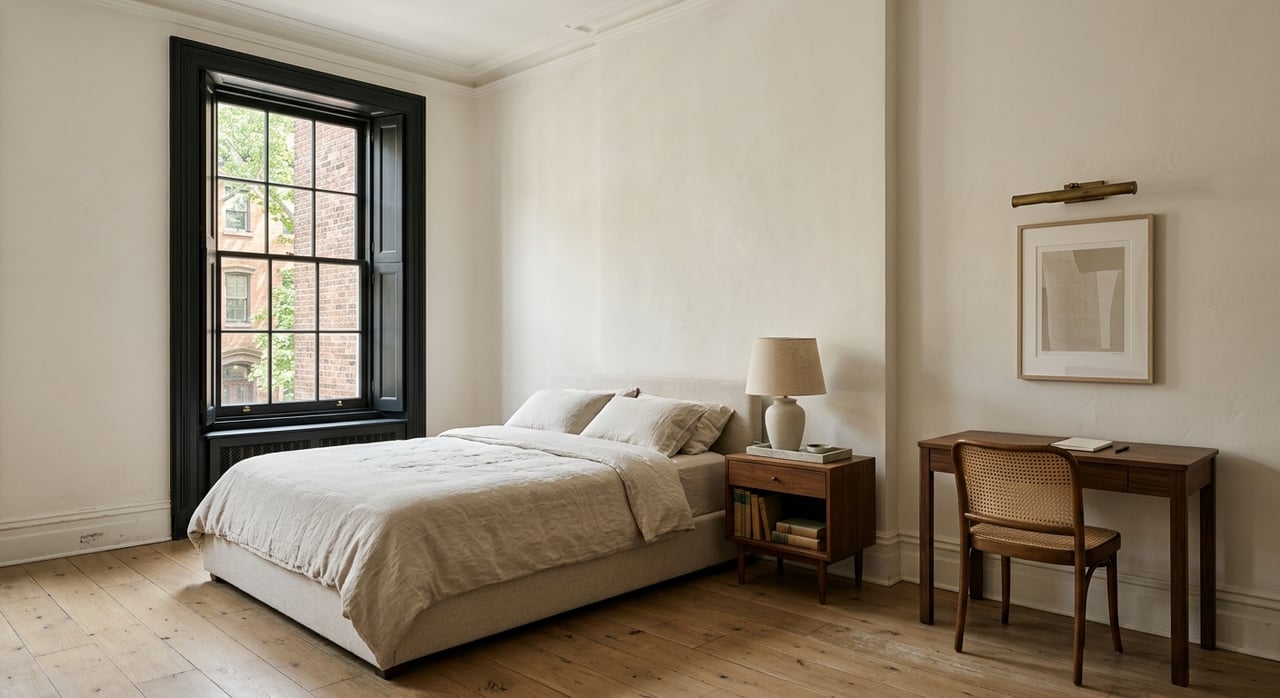
Moving to Boston can feel exciting and overwhelming at the same time. If you want a neighborhood that lets you settle in quickly, learn the city, and keep your options open before buying, the South End stands out for good reason. Starting in a rental here can give you a practical home base, a strong daily routine, and time to make a more informed long-term decision. Let’s dive in.
Why the South End works for relocation
The South End sits just south of Back Bay and only minutes from Downtown Boston. According to the Boston Planning & Development Agency, it is known for Victorian townhouses, small parks, and an active restaurant and arts scene. That mix gives you both character and convenience from day one.
For many relocating households, that balance matters. You may not want to commit to a purchase before you understand your commute, your preferred blocks, or how you want to spend your weekends. A South End rental can give you a central base while you get to know Boston on real terms.
The neighborhood also supports a wide range of routines and lifestyles. Boston describes the South End as home to young professionals, families, and a vibrant gay and lesbian community, while local planning data shows a diverse population with many residents holding college degrees and many households speaking a language other than English at home. In practical terms, that means you are stepping into a neighborhood with a broad day-to-day mix rather than a single-note identity.
What it feels like to live here
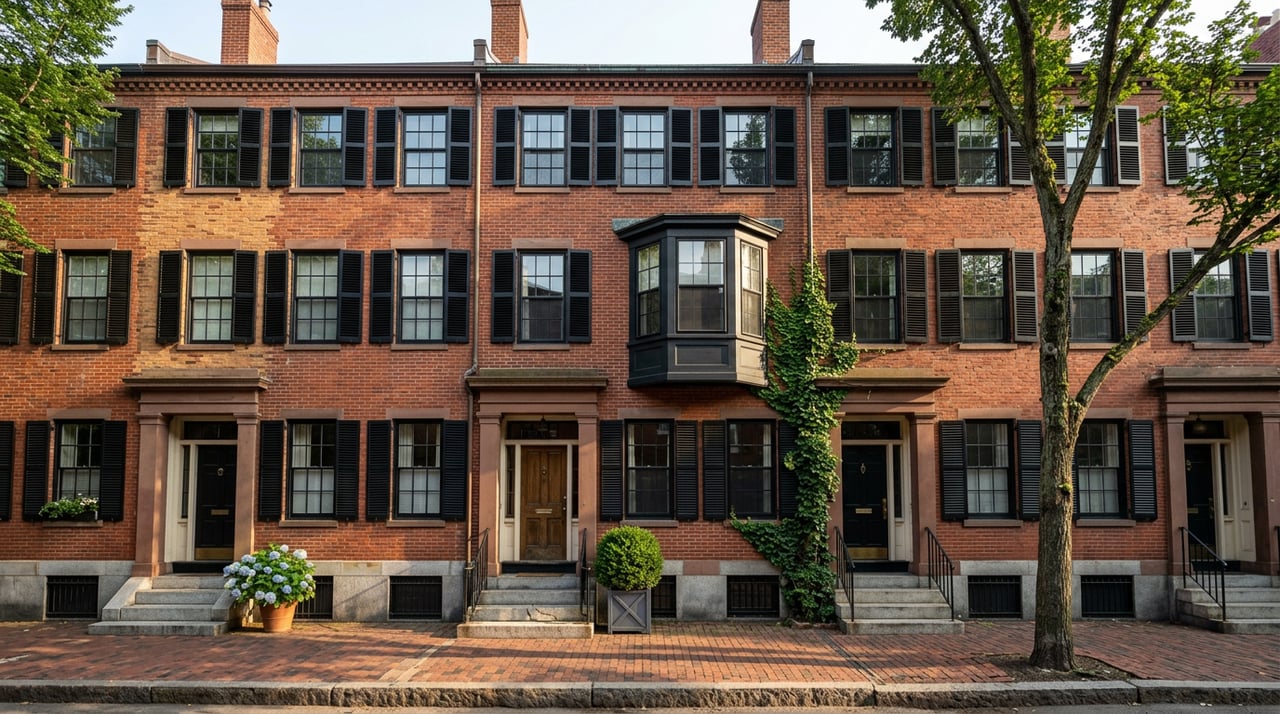
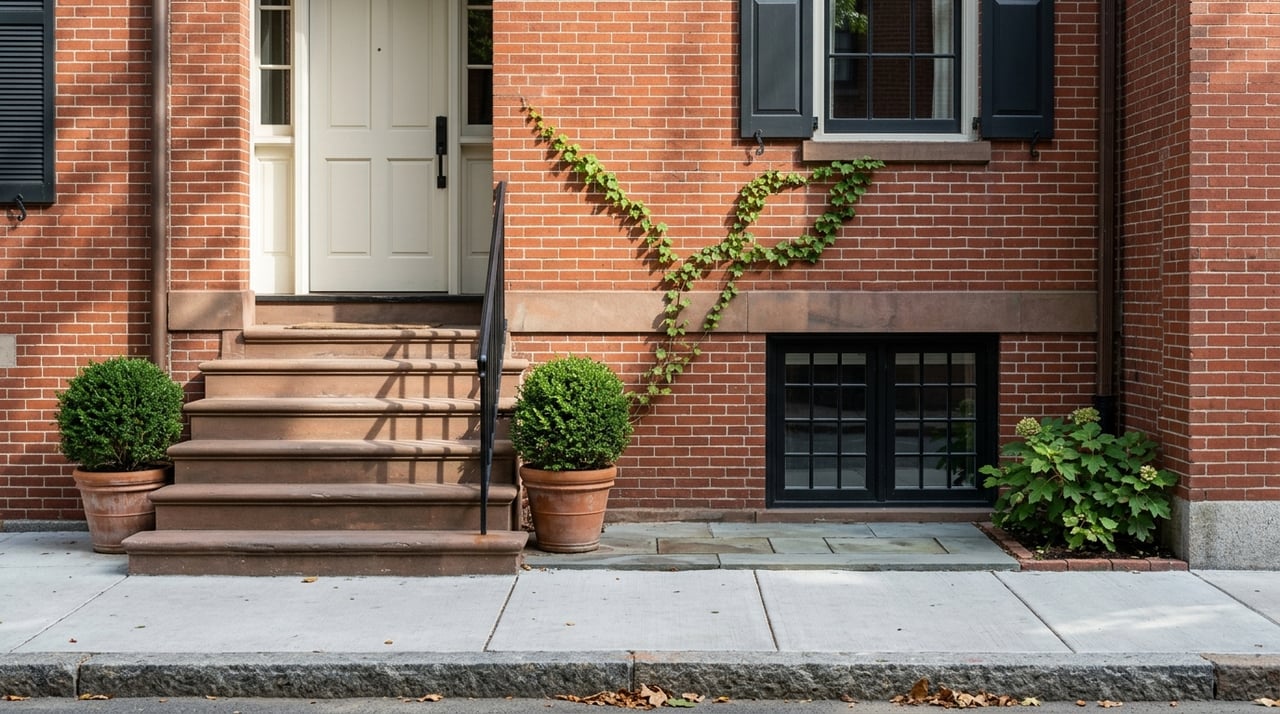
The South End is one of Boston’s most visually distinct neighborhoods. Boston and the BPDA describe a landscape of Victorian brownstones, brick rowhouses, and historic residential blocks that give the area a consistent architectural rhythm. If design and streetscape matter to you, that can be a meaningful part of the appeal.
At the same time, this is not a museum district. The South End remains an active residential neighborhood with local restaurants, boutiques, arts venues, and green space woven into daily life. Boston notes nearly 30 parks in the area, along with destinations like the Boston Center for the Arts, the SoWa Open Market on Sundays, and retail and dining stretches along Tremont Street and Shawmut Avenue.
That combination can make a relocation feel easier. Instead of waiting months to feel settled, you can build a routine around walking, errands, coffee, transit, and nearby public space. For many new arrivals, that kind of immediate usability is one of the biggest advantages of renting here first.
What renters can expect from South End housing
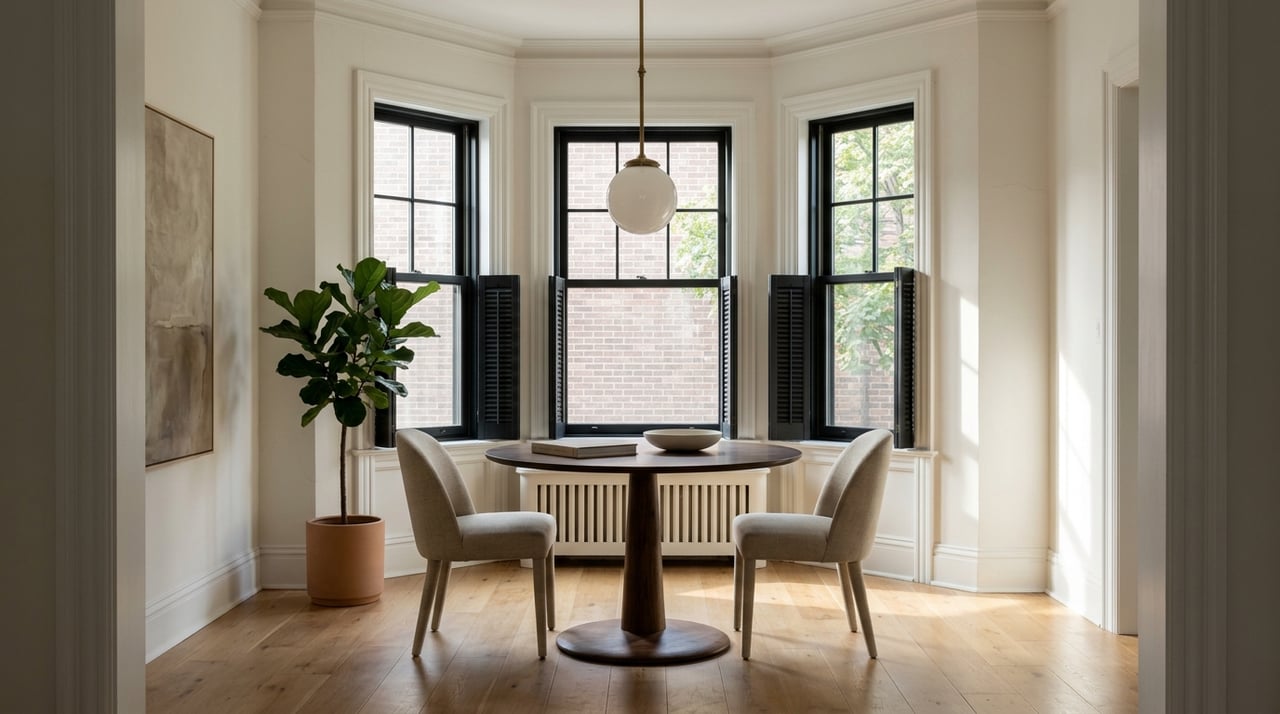
South End housing is shaped by its historic character. The neighborhood includes a mix of historic brick townhomes, brownstones, and other residential buildings, with many apartments in smaller-format layouts. Local planning data shows that 47.3% of homes are studios or one-bedroom units, 36.8% are two-bedroom units, and 15.9% are homes with three or more bedrooms.
That breakdown matters if you are planning your search from out of town. If you are a single renter, a couple, or a smaller household, you may find the neighborhood especially workable. If you need three or more bedrooms, you may want a broader search area, more lead time, or a faster decision process when the right listing appears.
The South End is also structurally friendly to renters. According to the latest neighborhood profile, 61.2% of housing units are renter-occupied. That does not mean it is inexpensive, but it does mean renting is a normal and established part of how the neighborhood functions.
A key budget benchmark for your search
If you are comparing Boston neighborhoods, it helps to set expectations early. The latest BPDA neighborhood profile reports a 2024 median asking rent of $4,000 for a market-rate two-bedroom apartment in the South End. Citywide, the comparable median asking rent is $3,200.
That gap helps explain the South End’s tradeoff. You are often paying more for central location, strong walkability, historic architecture, and access to amenities. For many relocators, the question is not whether the South End is the cheapest option. It is whether the convenience and quality of place support your larger move.
A rental here can make sense if it helps you avoid a rushed purchase, shorten your commute, or give you a better read on Boston’s neighborhood differences before buying. In that sense, rent is not only a monthly cost. It can also be part of a decision-making strategy.
Car-light living is realistic here
One of the South End’s strongest advantages is that many residents do not rely heavily on a car. Local mobility data shows that 37.6% of households have zero vehicles. The same profile reports that 29.6% of workers walked to work, 17.4% used public transit, and 5.9% used a bike, taxi, motorcycle, or other means.
For a newcomer, those numbers are useful. They suggest you can reasonably prioritize transit access, walkability, and daily convenience over parking. That can simplify your search and help you focus on the blocks and buildings that best support your routine.
The neighborhood also has meaningful transit connections. The Orange Line provides access through downtown Boston and connects with broader regional transit options, while Silver Line 4 and 5 run along Washington Street through the South End toward Chinatown and Downtown. The Southwest Corridor Path adds another layer of mobility and open space for walking and biking.
Renting first can help you buy smarter later
If you think you may buy in Boston after your move, renting first can be a strategic step rather than a temporary detour. It gives you time to compare neighborhoods, understand block-by-block differences, and test the rhythm of city living before making a major purchase.
It can also help you prepare financially. A rental year can give you space to build savings, maintain an emergency cushion, and keep your credit profile steady while you plan your next move. For many households, that breathing room leads to a more confident purchase decision.
The South End is especially useful for this approach because it gives you a close-up view of several parts of Boston at once. From here, you can learn how the South End compares with Back Bay, Beacon Hill, Seaport, and other nearby neighborhoods in your real daily routine, not just in online listings.
Massachusetts rental basics to know
If you are relocating from another state, local rental rules may look different from what you are used to. In Massachusetts, a security deposit cannot exceed one month’s rent. The landlord must provide a written receipt, and the deposit must be held in a separate, interest-bearing Massachusetts account.
Lease structure matters too. For a month-to-month tenancy-at-will, Massachusetts says a written notice to quit of at least 30 days is generally required, and it must expire at the end of a rental period. If you sign a written lease with time remaining on it, the lease terms control the end date and notice rules.
For older South End buildings, lead-law notice is another important point. Massachusetts requires owners of homes built before 1978 to comply with tenant lead-law notification requirements. State guidance also says landlords must provide a safe, well-maintained apartment that complies with the Massachusetts Sanitary Code.
What future buyers should keep in mind
If your South End rental is a bridge to ownership, the neighborhood’s historic status should be part of your long-term thinking. The South End is a landmark district, and Boston’s district standards state that exterior alterations require approval and a Certificate of Design Approval before a permit can be issued.
That does not make buying here less appealing. It simply means that if you eventually purchase a condo, townhouse, or brownstone, visible exterior work may come with review requirements. If you value architectural integrity, that framework may even be part of the neighborhood’s enduring appeal.
This is where neighborhood-level guidance matters. Understanding layout tradeoffs, renovation constraints, and building types early can help you rent with a clearer eye toward what you may want to buy later.
How to use a South End rental year well
If you are planning a move to Boston, a South End rental year can do more than solve your immediate housing need. It can help you build a smart local framework for what comes next.
A focused approach usually includes:
- Narrowing your must-haves for size, layout, and commute
- Testing whether a car-light lifestyle works for your household
- Tracking which nearby neighborhoods feel most natural to you
- Learning the tradeoffs between historic charm and modern systems
- Saving for a future purchase while avoiding rushed decisions
The goal is not just to land in Boston. It is to arrive with enough flexibility to make your next decision well.
If you are considering a move and want a thoughtful entry point into the city, the South End offers a compelling place to begin. And if your rental is part of a longer plan to buy, the right guidance can help you connect today’s lease with tomorrow’s purchase strategy. To start that conversation, connect with Penney + Gould.
FAQs
Is the South End a good neighborhood for relocating to Boston?
- Yes. The South End offers a central location, strong transit access, a large renter population, and a broad mix of restaurants, parks, and daily amenities that can make settling into Boston easier.
What rent should you expect for a South End two-bedroom apartment?
- The latest local neighborhood profile reports a 2024 median asking rent of $4,000 for a market-rate two-bedroom apartment in the South End.
Do you need a car to live in the South End?
- Not necessarily. Local data shows many households in the South End have no vehicle, and many residents rely on walking, public transit, and other car-light options.
Is the South End a practical choice for larger households?
- It can be, but larger rentals are more limited. Local housing data shows the neighborhood has a relatively small share of homes with three or more bedrooms, so a broader search or more lead time may help.
What should South End renters know about Massachusetts security deposits?
- In Massachusetts, a security deposit cannot exceed one month’s rent, the landlord must provide a written receipt, and the deposit must be kept in a separate, interest-bearing Massachusetts account.
What should future South End buyers know about historic district rules?
- Buyers should know that exterior alterations in the South End landmark district require approval, so renovation plans for visible exterior work should be reviewed carefully before purchase.