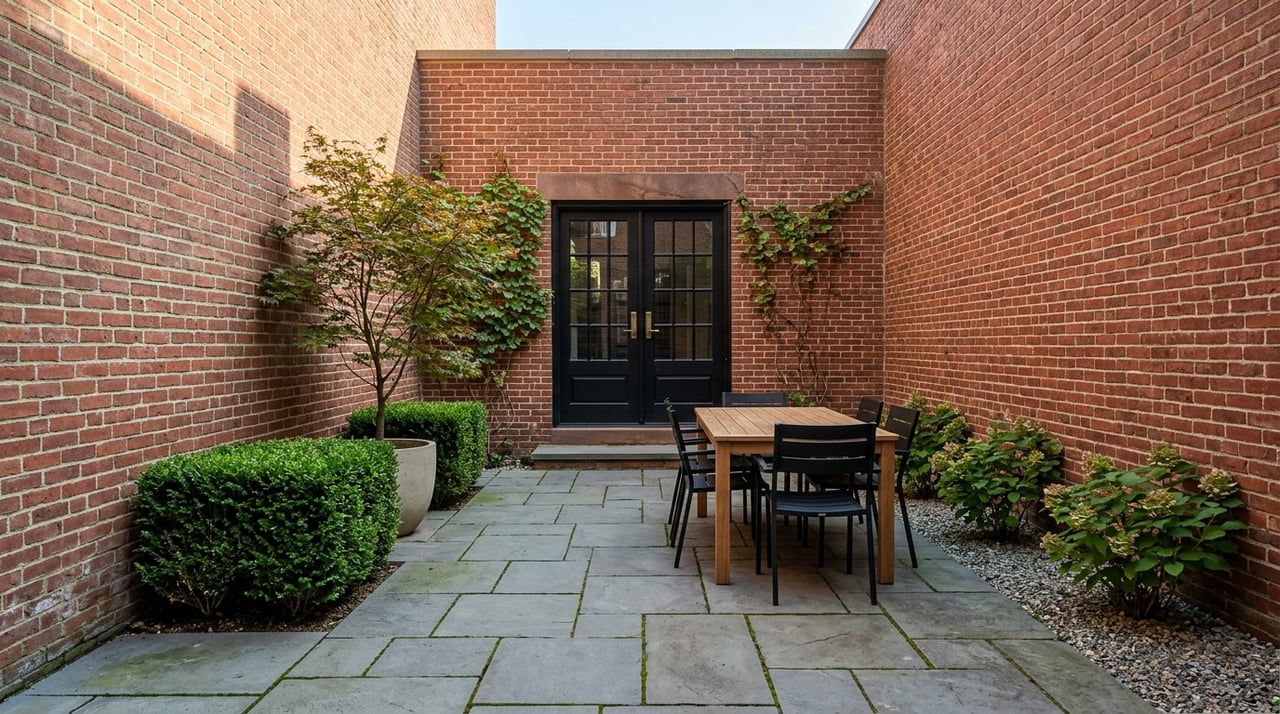
If you picture outdoor living as a big backyard, the South End will change your definition. Here, outdoor life is woven into brick-lined blocks, garden squares, café patios, and market streets that feel more like a series of connected outdoor rooms than one large green space. If you want to understand how people actually live outside in the South End, this guide will show you where that rhythm happens and why it matters. Let’s dive in.
Why South End outdoor living feels distinct
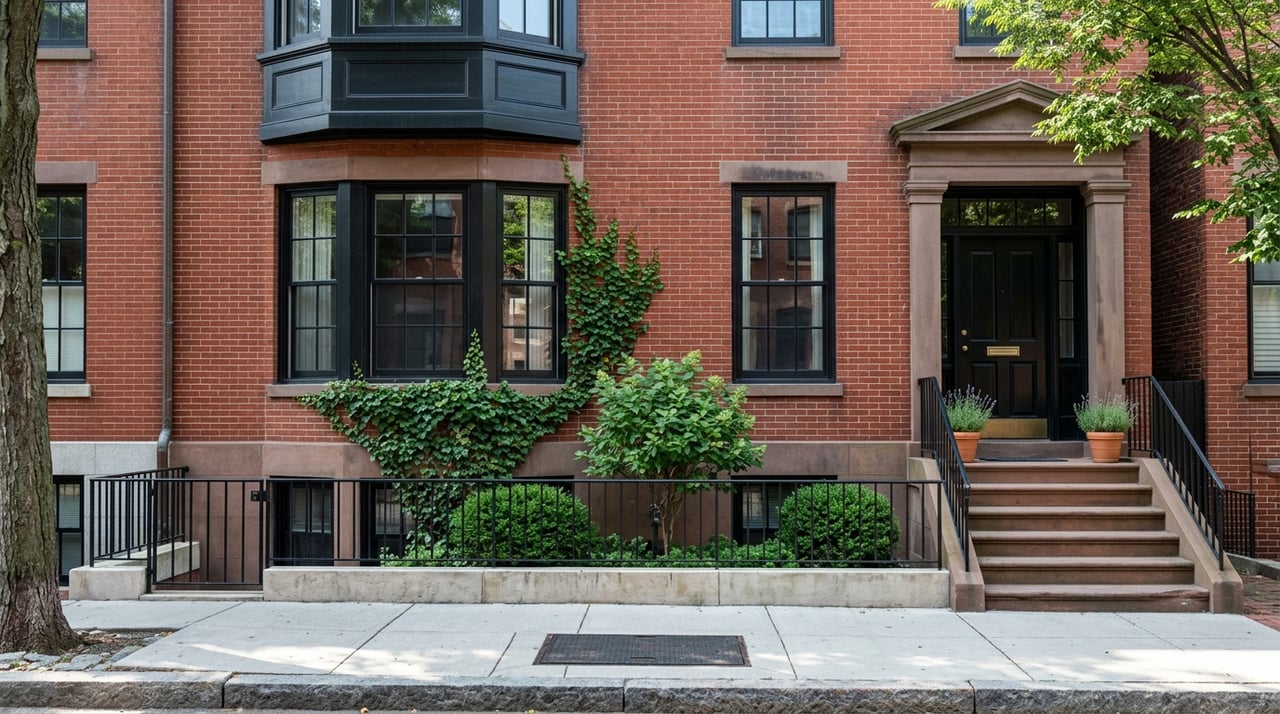
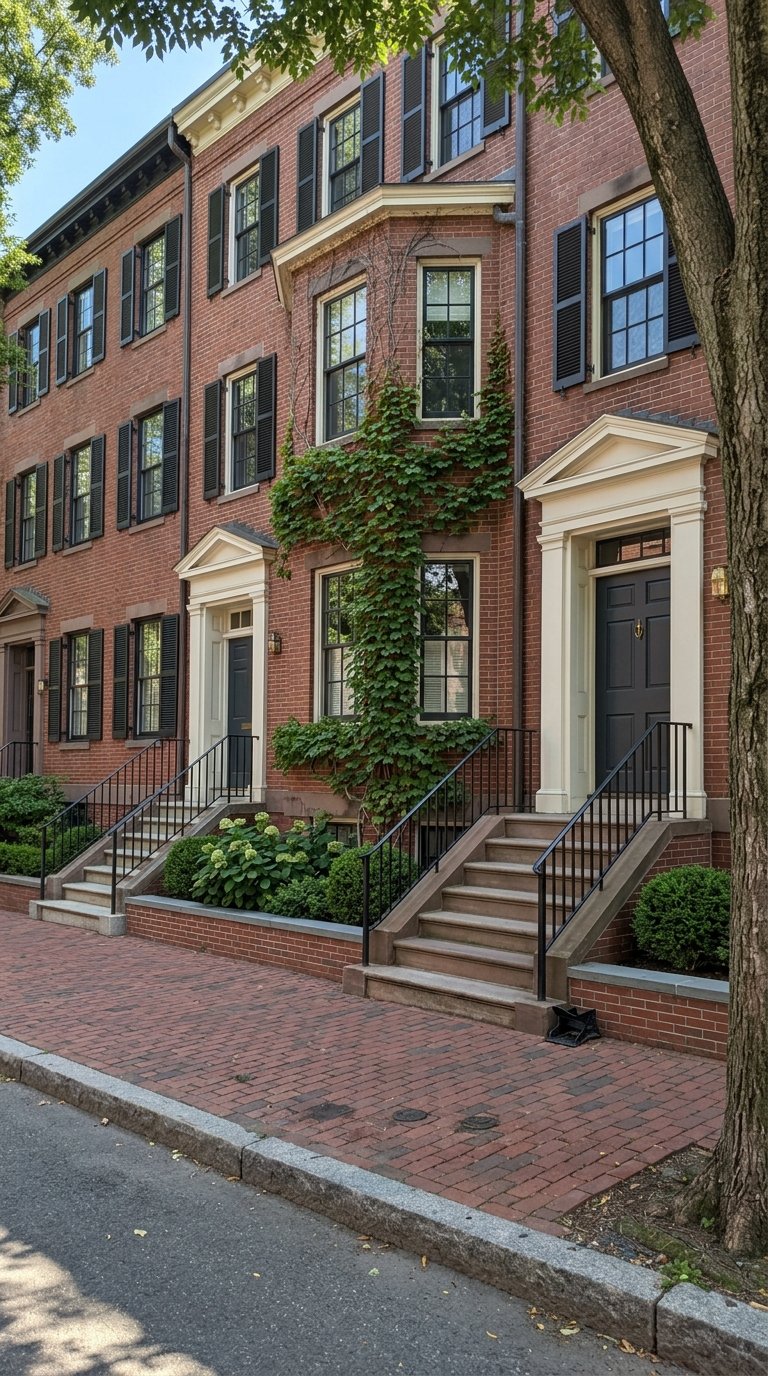
The South End’s outdoor character starts with its historic framework. The South End Landmark District was designated in 1983, and exterior elements visible from public ways, including rooftops, sit within a carefully preserved streetscape. That gives patios, stoops, decks, and terraces a different feel than they would in a less structured neighborhood.
Instead of wide lawns or large private lots, you get a more urban version of outdoor living. The experience is shaped by long 19th-century residential blocks, tree-lined streets, and small green spaces placed throughout the neighborhood. For many residents, that means daily access to outdoor space without needing to leave the neighborhood.
Boston also describes the South End as a neighborhood with nearly 30 parks, a strong arts scene, and notable dining corridors like Tremont Street and Shawmut Avenue. In practical terms, outdoor living here is not centered on one destination. It is spread across parks, sidewalks, gardens, patios, and plazas that you can move through on foot.
South End parks for everyday use
One of the South End’s strengths is variety. Boston’s official park listings for the neighborhood include Blackstone Square, Franklin Square, Braddock Park, Concord Square, Union Park, Worcester Square, St. Helena’s Park, Peters Park I, and Titus Sparrow Park, along with other play areas and playgrounds.
Some of these spaces lean quiet and ornamental. Boston describes Blackstone and Franklin as classically designed open spaces that offer a break from the neighborhood’s activity. If you want a calm walk, a bench, or a moment outside between errands, these squares help define the South End’s more relaxed outdoor side.
Other parks support more active use. Peters Park I and Titus Sparrow Park include features such as athletic fields, basketball, dog-friendly space, playgrounds, handball, tennis, and bike racks. That mix gives the neighborhood a more practical outdoor routine, with spaces that can support everything from a quick walk to a more active afternoon.
Peters Park also remains an important neighborhood green space in motion. The city is currently studying pathway improvements and passive areas there as part of a capital project. That says a lot about how heavily these everyday outdoor spaces are used and valued.
Community gardens add another layer
Public parks are only part of the South End story. The neighborhood also has a notable network of community gardens, which give outdoor life a more personal and resident-scaled feel.
Boston’s Community Garden and Urban Farm Directory lists several South End sites, including Berkeley Community Garden at 500 Tremont Street, Harrison Urban Garden at 700 Harrison Avenue, Rutland and Washington Community Garden at 1561–1565 Washington Street, Lenox and Kendall Community Garden at 900 Tremont Street, West Springfield Community Garden at 106–116 West Springfield Street, and Worcester Community Garden at 108–138 Worcester Street.
The scale is striking. Berkeley Community Garden has 158 plots, while Worcester Community Garden has 157. Other sites, including Harrison Urban Garden, Lenox and Kendall, and West Springfield, reinforce how deeply gardening is built into the neighborhood’s outdoor pattern.
In a dense historic district, these gardens matter because they offer something different from a public square. They create smaller, more intimate green spaces that sit within the pedestrian fabric of the neighborhood. For many residents, that kind of access helps make urban living feel more balanced and connected to the outdoors.
The garden network also extends toward the Southwest Corridor Park area near Braddock Park and the Mass Ave/Back Bay station area. That broader pattern shows how outdoor living in the South End often unfolds through linked spaces rather than isolated destinations.
Patios shape the social rhythm
If parks and gardens define the quieter side of outdoor living, patios shape the neighborhood’s social rhythm. Boston’s Outdoor Dining Program supports restaurants that expand seating outdoors and includes permitting, roadway patio options, accessible design templates, site visits, and annual renewals.
That system helps explain why South End outdoor dining feels lively but still seasonal. Many local restaurants describe patio seating as weather permitting or limited to certain parts of the year. This is outdoor living in a Boston format, which means flexibility, walkability, and a strong connection to the street.
Several South End restaurants explicitly note outdoor seating. SRV offers indoor and outdoor dining weather permitting, Coppa highlights expansive patio seating, Burro Bar South End is open for indoor and outdoor dining, and MIDA notes same-day patio reservations and seasonal patio operations that close after October.
For daytime routines, cafés also play a role. Code 10 Cafe offers seasonal indoor and outdoor seating, adding another layer to the neighborhood’s morning and midday outdoor life. Instead of treating outdoor dining as a special-occasion event only, the South End folds it into normal daily use.
Where outdoor activity clusters
If you are trying to picture the neighborhood spatially, a few corridors stand out. Tremont Street remains a key dining spine, with the city describing it as Restaurant Row. Shawmut Avenue adds a tree-lined mix of boutiques and restaurants, giving outdoor walks a more residential-commercial blend.
Washington Street also contributes to the neighborhood’s active street life, while the SoWa and Harrison-Thayer area brings a more event-driven outdoor energy. Blackstone Square and Franklin Square help anchor that broader network by offering recognizable public gathering points within walking distance of surrounding blocks.
This is one reason the South End often feels so livable. You are not dependent on one single park or one single commercial strip. The neighborhood’s outdoor appeal comes from how many different spaces are close together and easy to use in sequence.
Markets and arts keep the neighborhood outside
The South End’s outdoor identity is not just about where you sit. It is also about what is happening around you.
SoWa Open Market is one of Boston’s largest open-air farmer and artist markets. SoWa says it runs every Sunday from May through November on pedestrian-only Thayer Street with local and regional vendors plus food and beverage trucks, while Boston also notes the South End’s Sunday market activity on Harrison Avenue from 10 a.m. to 4 p.m.
That market presence gives the neighborhood a recurring outdoor pulse during warmer months. It adds browsing, eating, and people-watching to the South End’s usual café and park routine. For residents and visitors alike, it is one of the clearest examples of how public life spills outdoors here.
Arts programming adds even more depth. South End Open Studios has been produced since 1986 and opens multiple artist buildings to the public, now reaching more than 200 artists across locations that include 450 Harrison Avenue and Boston Center for the Arts studios.
There is also a strong link between indoor cultural life and outdoor gathering space. La CASA in Villa Victoria physically connects Yawkey Hall to O’Day Playground and an amphitheater, and Boston’s South End events listings include outdoor neighborhood concerts in Blackstone Square. In the South End, outdoor living often means moving between art, performance, dining, and green space in one walkable loop.
A typical South End day outside
One of the easiest ways to understand the neighborhood is to imagine the day unfolding. Early in the morning, Cuppa Coffee opens at 6 a.m. in the South End, and Render Coffee opens early on Columbus Avenue. That starts the day with a street-level rhythm that feels active without being rushed.
By midday, a walk through Blackstone Square or Franklin Square offers a quieter reset. If you prefer something more tucked in, the neighborhood’s garden network adds another kind of green presence, one that feels embedded into the residential blocks rather than separated from them.
On Sundays, the day can shift toward SoWa, with open-air vendors and food options that make the neighborhood feel especially animated. Later, that same routine can lead naturally to an outdoor table, a casual patio stop, or a neighborhood concert depending on the season.
This layered daily pattern is what makes the South End stand out. Outdoor living here is less about spectacle and more about access, repetition, and variety. It becomes part of how you move through the neighborhood rather than a separate destination.
What this means for homebuyers
If you are considering a move to the South End, outdoor living is worth thinking about beyond private square footage alone. In this neighborhood, quality of life often comes from proximity to parks, gardens, dining corridors, and cultural programming that expands how your home lives day to day.
That matters in a historic district where architecture and streetscape shape the residential experience. A terrace, stoop, or patio may be only one part of the equation. The other part is how easily you can step into a broader network of nearby outdoor spaces that already function as an extension of daily life.
For buyers who value walkability, design sensitivity, and a strong neighborhood rhythm, the South End offers a distinctive kind of outdoor experience. It is urban, seasonal, and highly textured, with a balance of public green space, resident-scale gardens, and restaurant patios that feels difficult to replicate elsewhere in Boston.
If you are exploring South End real estate and want a more nuanced view of how block-by-block lifestyle can shape value, Penney + Gould offers research-driven guidance grounded in the architecture, rhythm, and everyday experience of the neighborhood.
FAQs
Are South End patios seasonal in Boston?
- Yes. Boston’s outdoor dining program is permit-based, and several South End restaurants describe patio seating as weather permitting or seasonal.
Are there public green spaces in the South End besides restaurant patios?
- Yes. Boston says the South End has nearly 30 parks, and the neighborhood also has a substantial network of community gardens.
Which South End parks are best known for quiet green space?
- Blackstone Square and Franklin Square are the clearest examples of classically designed, more passive open spaces in the neighborhood.
Which South End parks support active recreation?
- Peters Park I and Titus Sparrow Park include active features such as athletic fields, basketball, dog-friendly space, playgrounds, handball, tennis, and bike racks.
Where is outdoor activity concentrated in the South End?
- Key outdoor corridors include Tremont Street, Shawmut Avenue, Washington Street, and the SoWa and Harrison-Thayer area, with Blackstone Square and Franklin Square serving as important public gathering points.
What makes South End outdoor living different from other Boston neighborhoods?
- The South End’s outdoor life is shaped by its historic streetscape, walkable network of small parks and gardens, seasonal patios, and recurring arts and market activity rather than one single large park destination.