Wondering why some Back Bay condos attract serious interest quickly while others linger? In this market, good presentation still matters, but pricing discipline and clean preparation matter just as much. If you are thinking about selling, the goal is not to chase yesterday’s peak. It is to position your condo in a way that feels credible, polished, and easy for today’s buyer to say yes to. Let’s dive in.
Read the Back Bay market clearly
Back Bay remains one of Boston’s most premium condo markets, but current public data points to a more measured environment than many sellers expect. Redfin reported a median sale price of $1,509,439 for the three months ending April 2026, down 12.2% year over year, with a median 51 days on market. Realtor.com’s March 2026 neighborhood data showed a median listing price of $2.179M, a 96% sale-to-list ratio, and median days on market of 41.
Taken together, those figures suggest an important truth. Buyers are still willing to pay for quality, location, and condition, but they are not ignoring the gap between asking prices and recent closed sales. In a market where homes are selling at roughly 96% to 96.5% of list price, your strategy needs to be grounded in real comps, not just ambitious listings nearby.
Price from sold comps, not hope
If you want strong early interest, pricing should start with recent sold units that truly compete with yours. That means comparing not only square footage, but also condition, light, floor level, views, layout, and the quality of the building. In Back Bay, those details can move value in a meaningful way.
Aspirational pricing can be tempting in a trophy neighborhood, especially when active listings appear high. But the spread between current listing prices and recent median sale prices shows why discipline matters. If your condo is priced above the most relevant sold range, buyers will usually expect a very clear reason.
That reason might be exceptional renovation quality, superior natural light, rare outdoor space, or a notably strong building profile. Even then, the pricing story has to feel coherent. Today’s buyers tend to reward well-positioned listings, not wishful ones.
Lead with light and sightlines
In dense urban housing, light carries real weight. A 2026 Redfin survey found that 11% of U.S. residents consider sunlight a non-negotiable home feature, and 53% of those who value sunlight say it improves mood and well-being. A 2026 study of high-density urban housing also noted that daylight, natural views, and visual privacy become more constrained as density rises.
For a Back Bay condo, that means your brightest assets should shape the entire presentation plan. Open window treatments as much as possible, remove furniture that blocks natural sightlines, and make sure photography happens at the right time of day. Even a beautiful room can feel smaller or flatter online if the light is working against it.
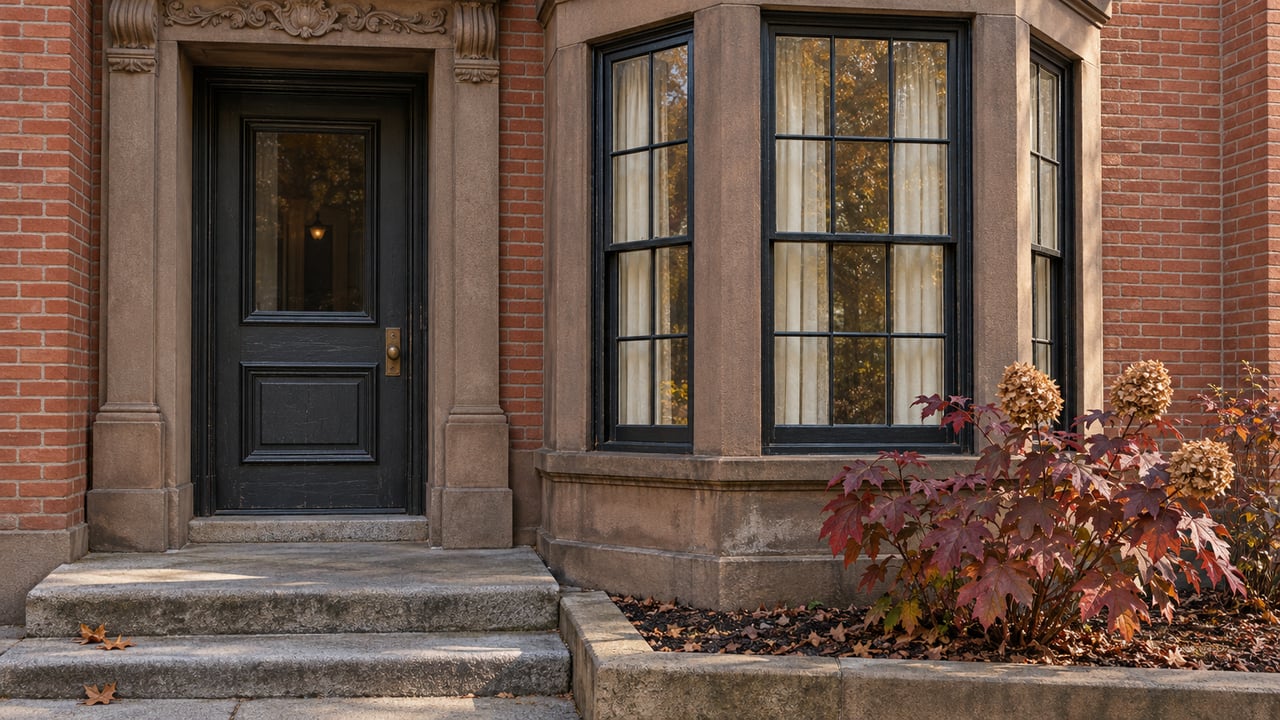
This is especially important in living spaces where buyers often decide how a home feels within seconds. If your condo has a strong bay window, treetop outlook, skyline angle, or long south-facing light, those features should read immediately in person and in photos. You are not just selling square footage. You are selling atmosphere.
Stage the rooms buyers notice first
Staging remains one of the clearest ways to improve how buyers respond to a listing. In NAR’s 2025 Profile of Home Staging, 83% of buyer’s agents said staging helps buyers visualize a property as their future home. The same report found that 31% said staging made buyers more likely to visit a home after seeing it online.
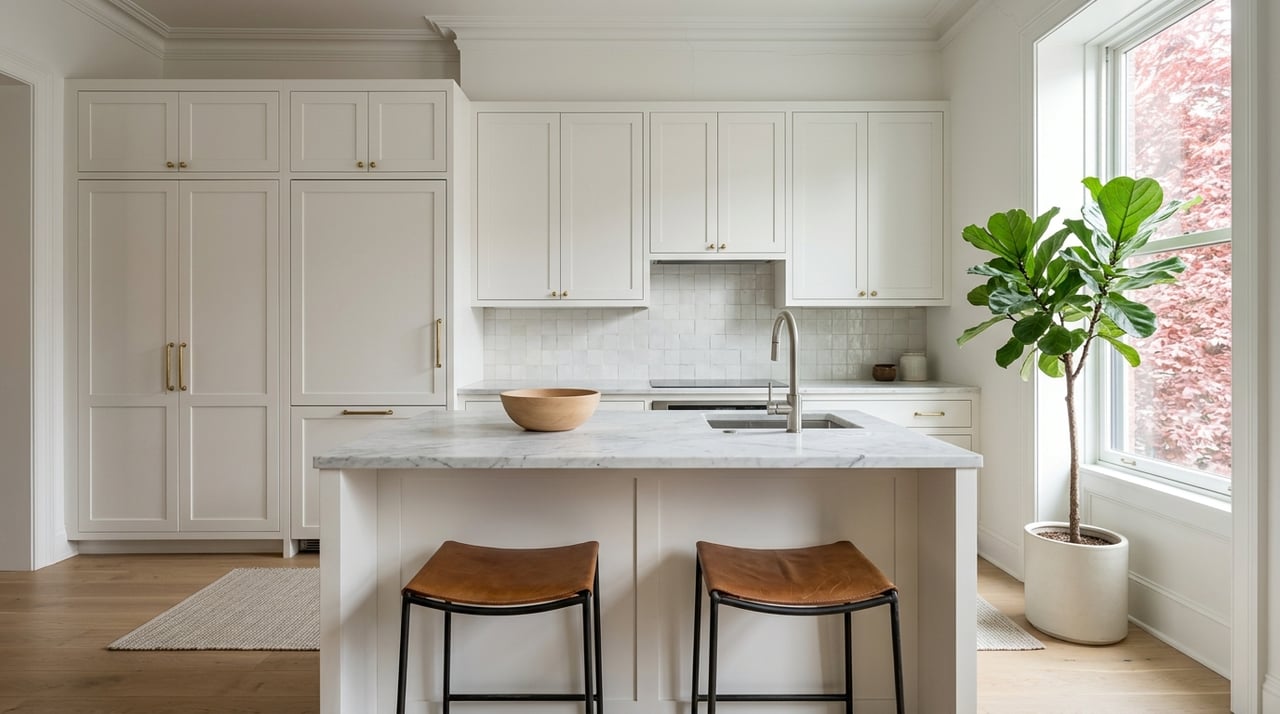
The data also helps sellers prioritize where to spend. Buyer’s agents identified the living room as the most important room to stage at 37%, followed by the primary bedroom at 34% and the kitchen at 23%. For most Back Bay condos, that means your first dollars should go into the main living area, then the primary suite, then the kitchen.
If the home is already empty and bright, staging can still be worth it. Empty rooms often make scale harder to read, especially in properties with elegant proportions or unusual layouts. Thoughtful furniture placement can clarify how the home lives while keeping attention on period detail, ceiling height, and light.
Focus on smart pre-list updates
If you have six to twelve months before listing, the safest value-enhancing improvements are usually interior and reversible. In Back Bay, that often means fresh neutral paint, refinished floors, updated lighting, hardware replacement, deep cleaning, caulking, and targeted decluttering. These improvements help the architecture read clearly without creating avoidable approval issues.
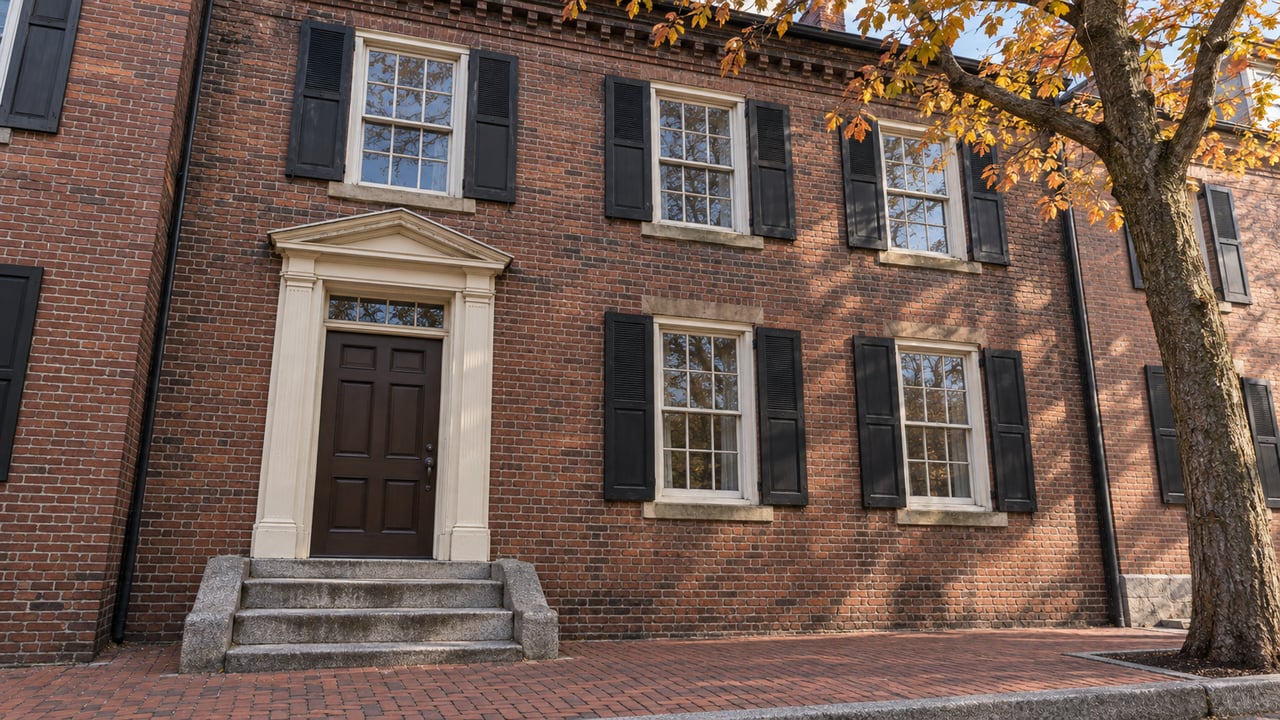
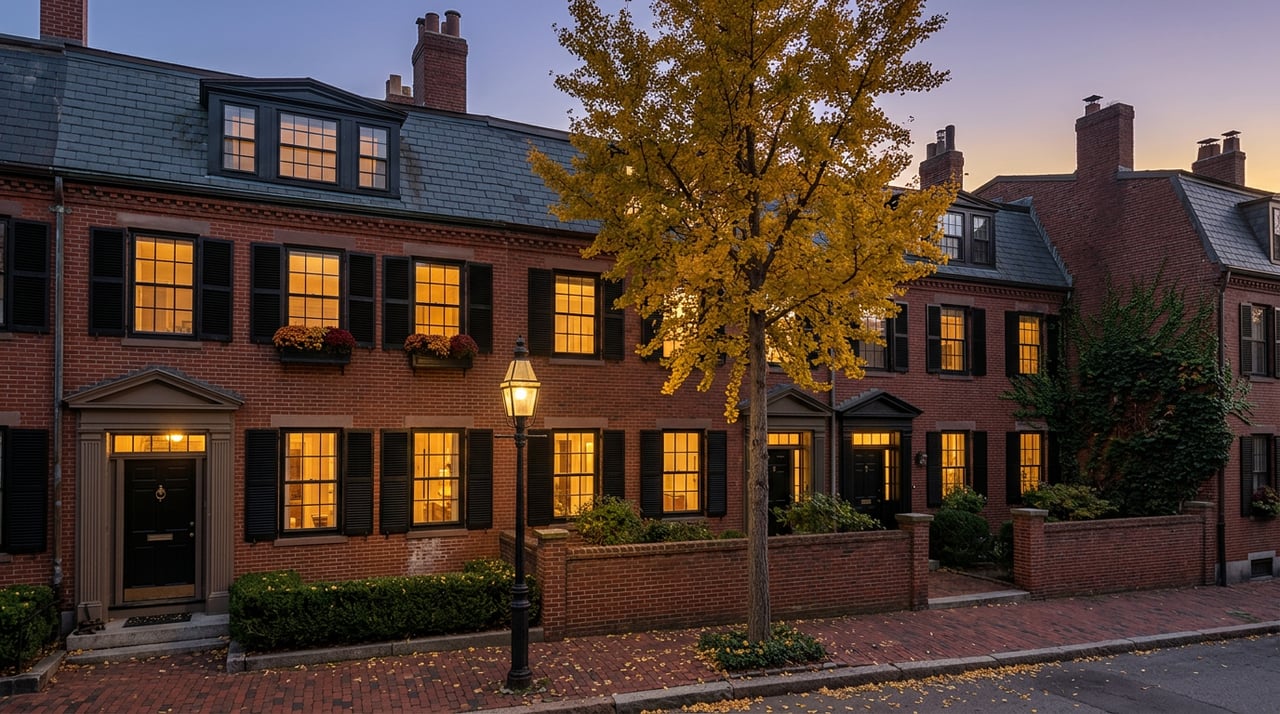
That matters because Back Bay is a regulated historic district. According to Boston.gov, the Back Bay Architectural District Commission reviews proposed exterior design changes and alterations, and all proposed exterior work must be approved before it begins. The published district guidelines emphasize preserving historic materials, repairing rather than replacing original features, and keeping historic window openings intact on the primary facade.
In practical terms, sellers are often better served by polishing existing features than by attempting visible exterior modernization before a sale. If you are considering any exterior work, approval should come first. Without a clear path, the time and expense may not support your listing timeline.
Respect the historic context
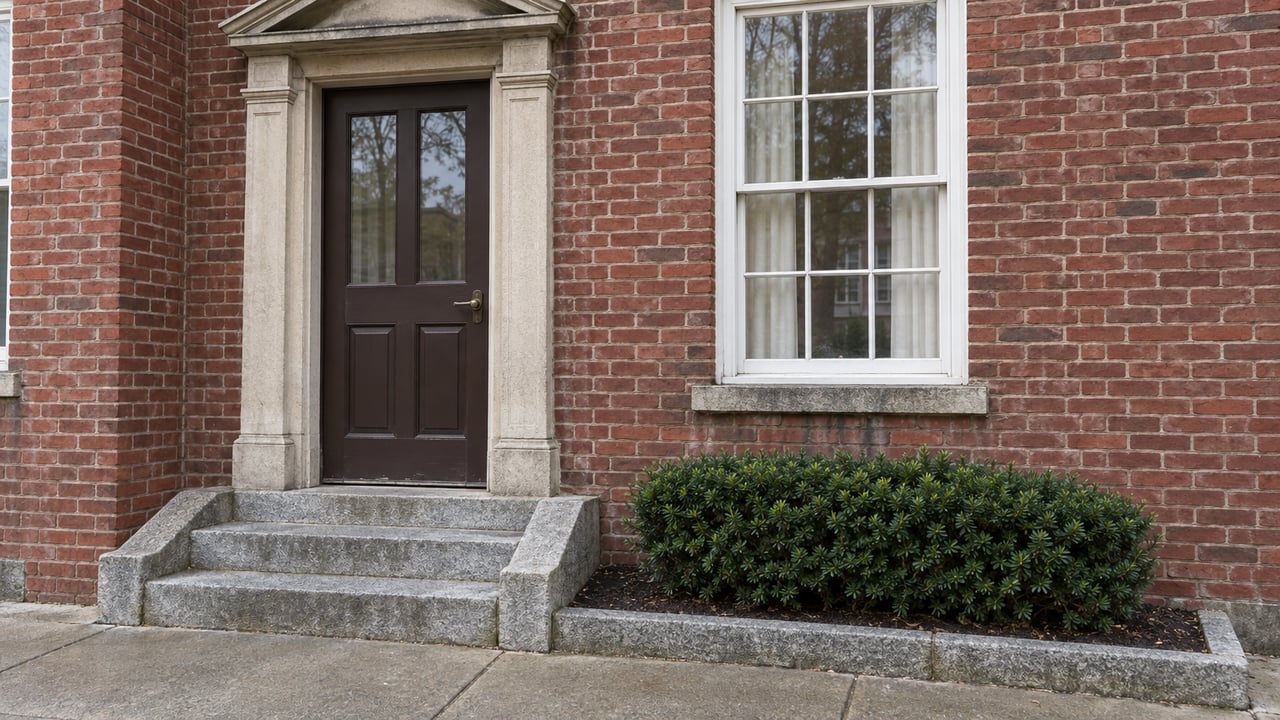
Back Bay buyers often notice architectural integrity right away. Original moldings, mantelpieces, window proportions, entry details, and flooring all contribute to how a condo feels. Even when a buyer wants modern function, the setting still matters.
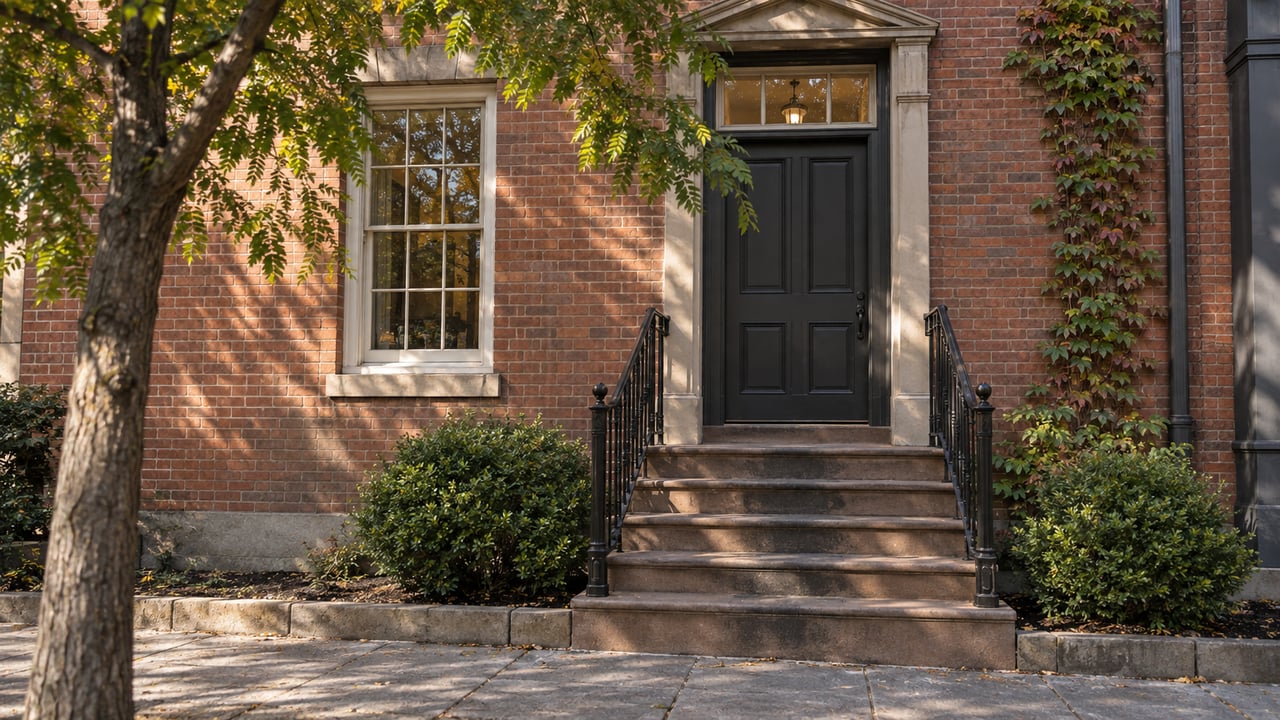
The district guidelines support repair over replacement and are more accommodating to solutions like interior storm windows than visible changes to sash or openings. They also encourage historically appropriate entry lighting while discouraging facade lighting on the face of the building. That makes a thoughtful, preservation-minded approach the most practical one for many sellers.
The message is simple. If your condo has original character, let it lead. Clean lines, restrained styling, and careful maintenance often do more for market perception than trendy upgrades that fight the building.
Prepare condo documents early
One of the easiest ways to lose momentum in a condo sale is to wait too long on association paperwork. Massachusetts guidance says associations should keep up-to-date copies of the recorded master deed, bylaws and amendments, a minute book, financial records, contracts for work or services, and insurance policies. Buyers and their attorneys often review these materials as part of due diligence.
For sellers, early preparation can reduce friction and strengthen credibility. If your building documents are organized and available, buyers can evaluate the property with more confidence. That matters in older Back Bay buildings, where buyers are often paying close attention to maintenance history, reserves, rules, and insurance.
A practical early checklist often includes:
- Master deed
- Bylaws and amendments
- Current budget and available financial records
- Recent meeting minutes
- Insurance information
- Current contracts for building work or services
- Rules and regulations
- The 6(d) statement
Do not leave the 6(d) statement for later
Under Massachusetts General Laws Chapter 183A, Section 6(d), the organization of unit owners must provide a written statement of unpaid common expenses and other assessed sums within 10 business days of a written request. When recorded, that statement operates to discharge the unit from liens for other sums then unpaid.
For a seller, this is not a last-minute administrative detail. It is a core resale document that should be part of your transaction planning early in the process. If you wait until the deal is deep into escrow, you may create avoidable stress for everyone involved.
Cover Massachusetts sale requirements
Older Back Bay condos can come with a few additional compliance items that deserve attention before you go under agreement. Mass.gov says sellers must provide property transfer lead-paint notification before signing a purchase and sale agreement for homes built before 1978. Sellers also need a certificate of compliance from the local fire department showing smoke and carbon monoxide alarms meet sale or transfer requirements.
There is also a tax-related item to keep in mind for higher-value sales. For Massachusetts sales of $1 million or more, the seller must complete a Transferor’s Certification for withholding purposes at or before closing. None of these items is especially complicated on its own, but together they are another reason to start early.
Position the condo as easy to buy
Today’s buyer is not only evaluating the home itself. They are also reacting to how smooth the opportunity feels. A condo that is thoughtfully staged, correctly priced, document-ready, and clear on compliance tends to feel lower risk.
That does not mean removing all nuance from the sale. It means reducing uncertainty where you can. In a neighborhood like Back Bay, where buyers often compare several polished options, the listing that feels complete can stand out just as much as the one with the best finishes.
Why strategy matters in Back Bay
Selling in Back Bay is rarely about one single move. It is the combination of pricing discipline, architectural sensitivity, strong visual presentation, and careful transaction preparation. When those elements align, buyers can focus on the value of the home rather than the friction around it.
That is especially true in a market where premium properties still attract attention, but scrutiny is higher than it was in faster-moving cycles. If you want to position your condo well, the work begins before the listing goes live.
If you are considering a sale in Back Bay, Penney + Gould brings a research-driven, design-aware approach to pricing, preparation, and presentation. We help you shape a strategy that respects the architecture, meets the market clearly, and gives your home its strongest path forward.
FAQs
What pricing strategy works best for a Back Bay condo sale?
- The strongest pricing strategy is usually based on recent sold comps that closely match your condo in condition, size, light, layout, floor level, and building profile, rather than relying on active listing prices alone.
What rooms should sellers stage in a Back Bay condo?
- The best rooms to prioritize are typically the living room first, then the primary bedroom, then the kitchen, based on 2025 staging data from buyer’s agents.
What exterior changes need approval in the Back Bay Architectural District?
- Proposed exterior design changes and alterations require review and approval from the Back Bay Architectural District Commission before work begins.
What condo documents should sellers gather before listing in Massachusetts?
- Buyers and their attorneys commonly review the master deed, bylaws, amendments, financial records, meeting minutes, insurance information, contracts for services, and the 6(d) statement.
What is the Massachusetts 6(d) statement in a condo sale?
- The 6(d) statement is a written statement from the organization of unit owners regarding unpaid common expenses and other assessed sums, and it is a key resale document in a Massachusetts condo transaction.
What sale requirements apply to older Back Bay condos in Massachusetts?
- For homes built before 1978, sellers must provide lead-paint notification before signing a purchase and sale agreement, and sellers also need a local fire department certificate showing smoke and carbon monoxide alarm compliance.
How far in advance should you prepare a Back Bay condo for sale?
- A six- to twelve-month runway can be helpful for gathering building documents, addressing compliance items, and planning any work that may require historic district review.