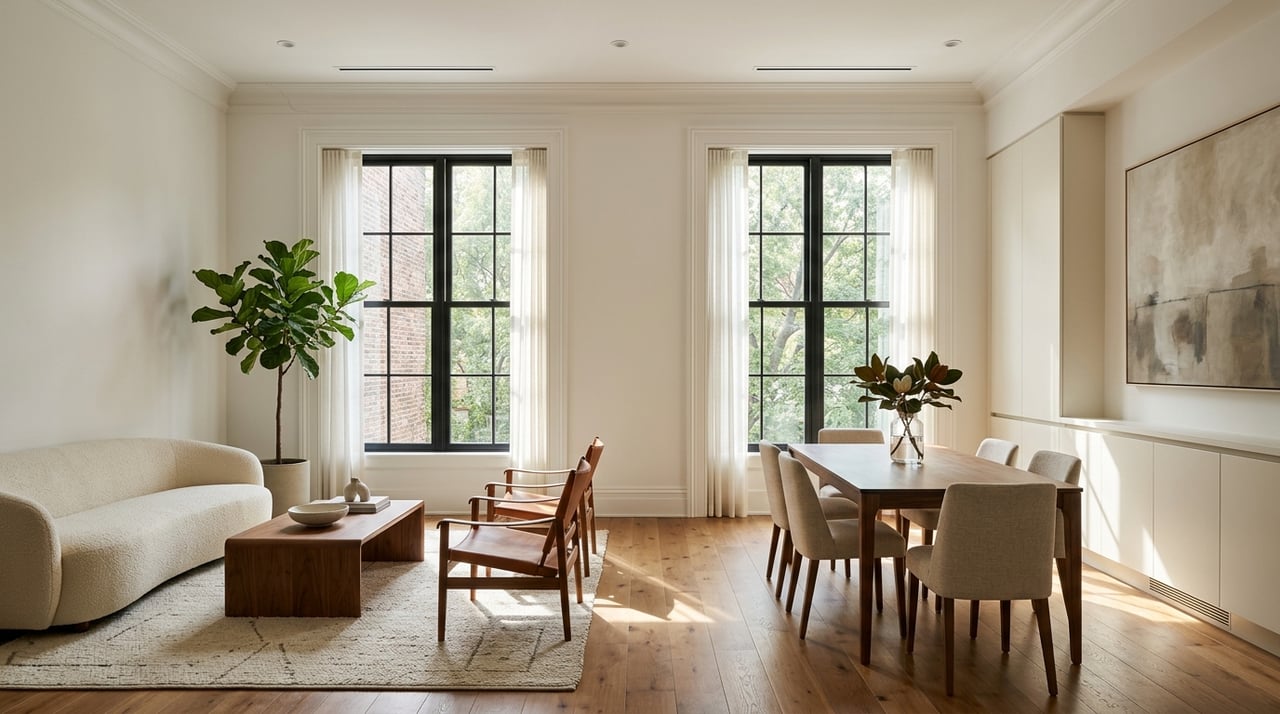
If you are shopping for a new or newly reimagined luxury home in Back Bay, you are not just buying square footage. You are buying a very specific balance of history, comfort, discretion, and design. In a neighborhood where architectural character is protected and inventory is inherently limited, the homes that stand out tend to pair preserved exterior elegance with highly considered interiors and modern systems.
That creates a different standard than you might find in other luxury markets. In Back Bay, buyers often expect thoughtful planning, refined materials, strong building performance, and amenities that feel integrated rather than overstated. Here is what luxury buyers increasingly look for in new Back Bay homes, and why those details matter. Let’s dive in.
Back Bay luxury starts with context
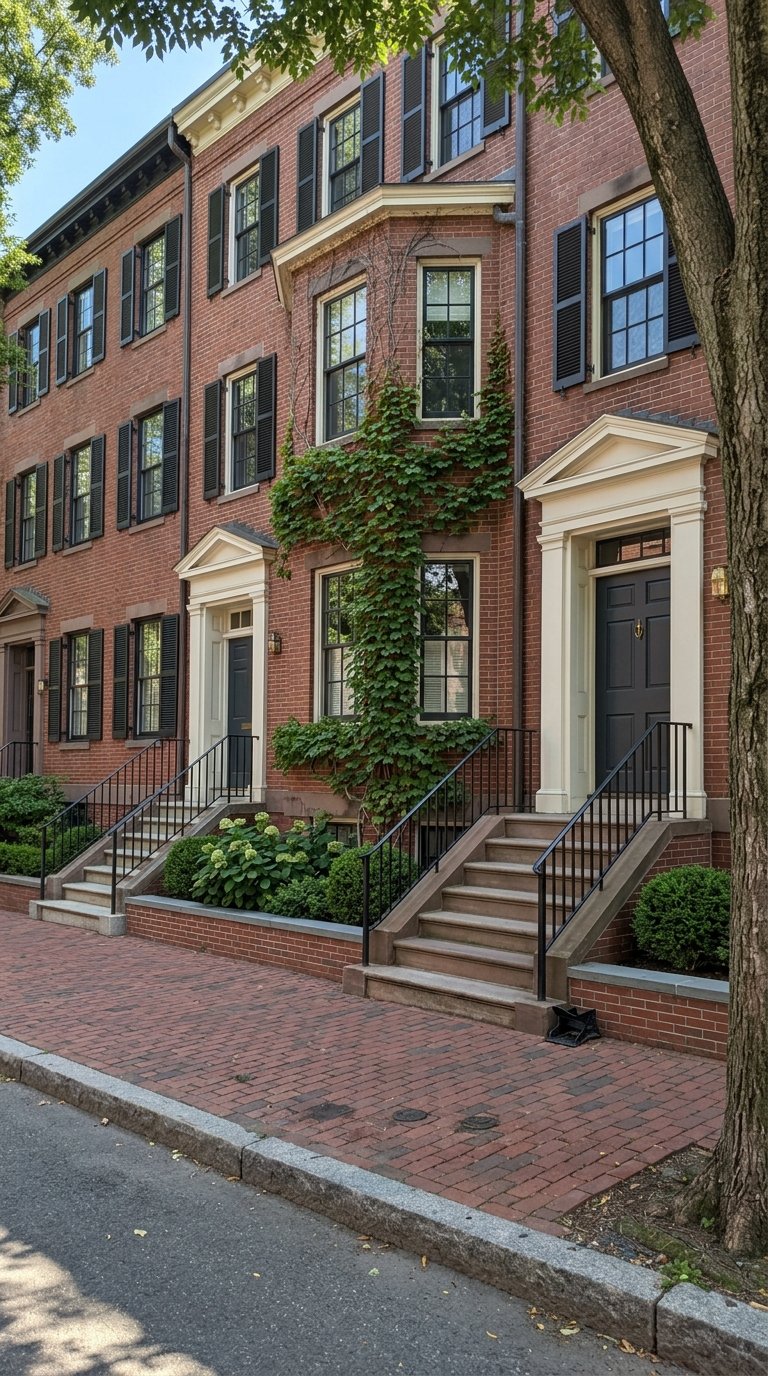
Back Bay is one of Boston’s most architecturally recognized neighborhoods, with historic streetscapes, landmark brownstones, and close proximity to Downtown, the Public Garden, Newbury Street, and Boylston Street. The neighborhood’s identity is shaped as much by preservation rules as by its location and prestige.
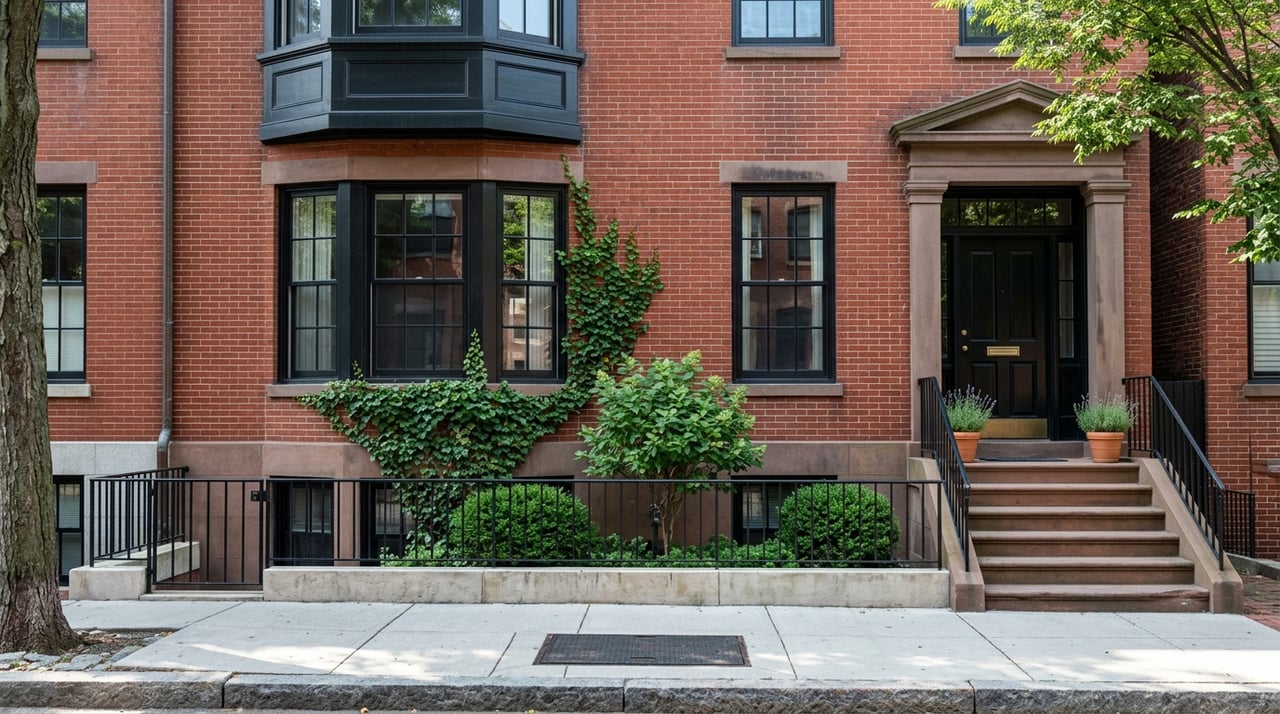
That matters because luxury in Back Bay is rarely about a dramatic exterior reinvention. The Back Bay Architectural District requires review and approval for exterior work, and residential guidelines emphasize maintaining historic character, materials, proportions, rooflines, and visibility from the street. In practice, that means buyers often expect the visible historic envelope to remain respectful and intact, while the real transformation happens inside.
Why buyers expect modern living inside a historic shell
In many luxury markets, “new” can mean a bold contemporary exterior and a fully open interior. In Back Bay, the expectation is more nuanced. Buyers typically want a home that honors its architectural provenance while still delivering the ease and performance of modern construction.
That combination is a major part of the appeal. A well-executed Back Bay home can preserve original facade rhythm and historic material character, yet feel bright, quiet, efficient, and highly functional once you step inside. For design-conscious buyers, that contrast often reads as more sophisticated than something flashy or trend-driven.
Floor plans should feel efficient and light
Luxury buyers still care about space, but they are often judging quality of layout just as much as raw size. Research on new-home preferences continues to show strong interest in open layouts, higher ceilings, and more windows, all of which help homes feel larger and more livable.
In Back Bay, that often translates into compact but flexible planning. Buyers tend to respond well to homes that preserve clean sightlines, make natural light a priority, and avoid square footage that feels ceremonial but underused.
Flexible rooms matter more than formal rooms
A luxury buyer today may still want gracious entertaining space, but they are also thinking about how the home supports everyday life. A den, office, guest room, or adaptable secondary space often carries more practical value than a formal room that rarely gets used.
That is especially true in a walkable urban neighborhood like Back Bay, where many buyers want a home that works equally well for hosting, working, and recharging. A layout that feels elegant and versatile usually wins over one that feels rigid.
Storage is part of the luxury brief
Storage may not be the flashiest feature, but it is a meaningful one. Buyer preference research continues to point to demand for laundry rooms, walk-in closets, garage storage, and kitchens with usable table space.
In a Back Bay home, strong storage can be the difference between a beautiful residence and one that actually supports daily living. Buyers often notice whether closets are generous, whether millwork is tailored, and whether practical items have a place to disappear.
Kitchens need to feel tailored, not generic
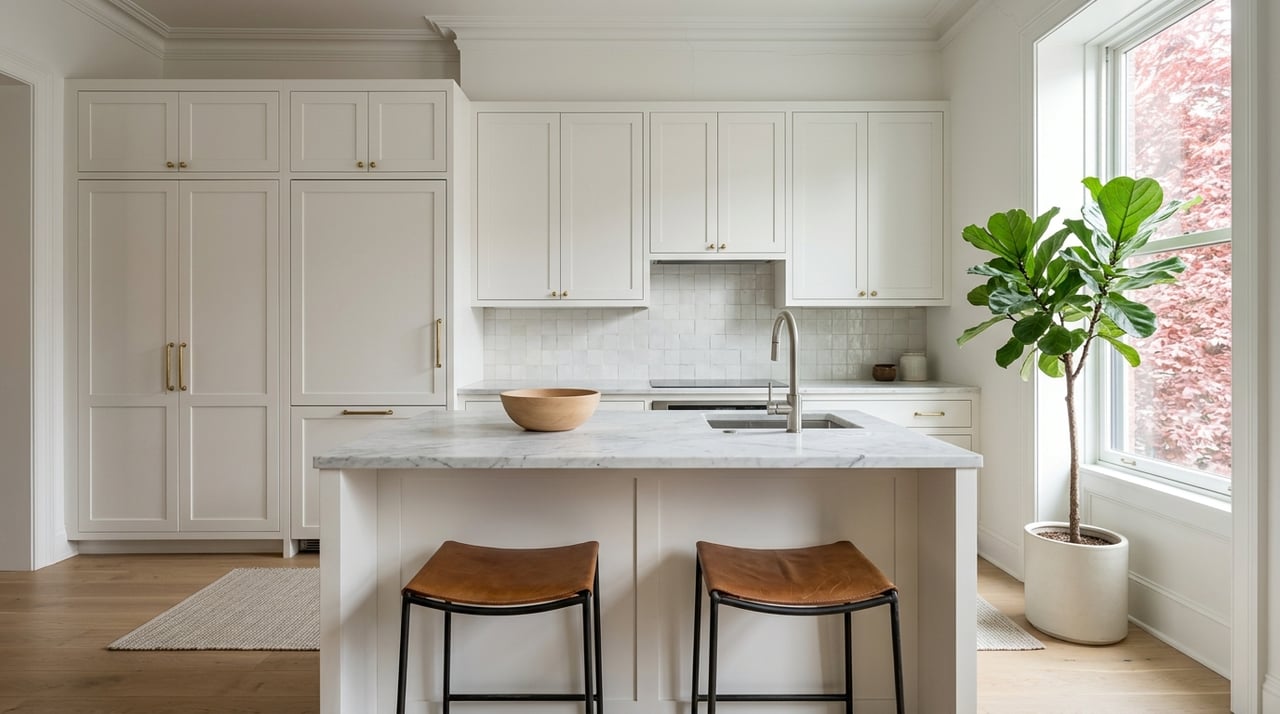
For many luxury buyers, the kitchen remains the emotional center of the home. It needs to function beautifully, but it also needs to feel intentional and materially rich. Generic finishes, off-the-shelf detailing, or a layout that ignores flow can quickly undermine an otherwise premium property.
Current design research points to continued interest in better cabinetry, engineered-stone or quartz counters, natural materials, custom tile, butler pantries, and wine storage. In Back Bay, those preferences align well with the neighborhood’s understated sensibility.
The best kitchens feel calm and highly resolved
Back Bay buyers often respond to kitchens that look composed rather than busy. That can mean integrated storage, carefully selected hardware, durable premium surfaces, and finishes that feel timeless instead of overly fashionable.
Because the exterior already carries so much architectural presence, the interior kitchen does not need to perform theatrically. It needs to feel polished, useful, and appropriate to the home.
Bathrooms should deliver a wellness experience
Bathrooms now carry more weight in luxury decision-making than they once did. Buyers increasingly expect a primary bath to feel restorative, private, and well detailed, not simply large.
Recent design surveys show rising interest in doorless showers, daylighting, radiant heated floors, and more upscale shower design. In a Back Bay setting, those features often support the kind of quiet comfort buyers associate with top-tier urban living.
The primary suite should feel private and complete
A strong primary suite is not just about bedroom dimensions. Buyers are often evaluating how the bedroom, closet space, and bath function together.
When the suite feels calm, efficient, and well separated from guest or entertaining zones, it tends to read as more luxurious. The same is true when finishes feel durable, tactile, and thoughtfully selected.
Performance and comfort are increasingly non-negotiable
Luxury buyers in Back Bay are paying close attention to what a home feels like to live in, not just how it photographs. Quiet HVAC, strong insulation, efficient heating and cooling, and well-performing windows have become part of the baseline expectation for premium homes.
That expectation lines up with Massachusetts’ current building-energy environment. Boston adopted the specialized energy code effective January 1, 2024, and the state framework includes pathways tied to electrification, EV-ready space, and solar-ready zones.
Buyers want comfort without visual clutter
In a historic neighborhood, systems need to work hard without calling attention to themselves. Guidance cited by neighborhood preservation advocates favors central air rather than window units and prefers roof-mounted condensers with internal line sets, while visible front-facing equipment and wall-mounted systems are generally seen as inappropriate unless no other option exists.
For buyers, that translates to a simple expectation: modern comfort should be present, but it should not compromise the building’s architectural integrity. The best homes make climate control, ventilation, and energy performance feel almost invisible.
Heat pumps and all-electric thinking are on the radar
Massachusetts notes that cold-climate heat pumps can heat and cool efficiently. For luxury buyers considering long-term ownership, efficient electric systems can signal a home that is aligned with where building performance is heading.
That does not mean buyers are focused only on specifications. It means they increasingly value homes that feel future-aware, comfortable, and thoughtfully executed.
Smart-home features should feel seamless
Technology is now part of the luxury baseline, but buyers tend to prefer integration over gadget overload. Research points to growing interest in security cameras, wired security systems, programmable thermostats, video doorbells, multizone HVAC, and energy-management systems.
In Back Bay, the strongest smart-home package usually feels quiet and intuitive. Buyers want to control comfort, lighting, security, and sometimes audio with ease, without filling the home with visual clutter or compromising design.
Materials should reflect quiet luxury
Back Bay is not a market that rewards excess for its own sake. Luxury buyers here are often drawn to interiors that feel authentic, tailored, and materially confident.
That usually means premium flooring, better cabinetry, custom tile, natural materials, refined fixtures, and millwork that feels deliberate. Rather than chasing novelty, the most appealing homes tend to present a restrained palette and a high level of finish.
Historic character still carries value
The neighborhood’s preservation framework places clear importance on original materials, historic openings, and compatibility with surrounding buildings. Buyers who choose Back Bay often appreciate that sense of continuity.
As a result, the most successful homes usually do not fight the building. They work with it, preserving what gives the property identity while introducing contemporary function where it improves livability.
Outdoor space, parking, and access still matter
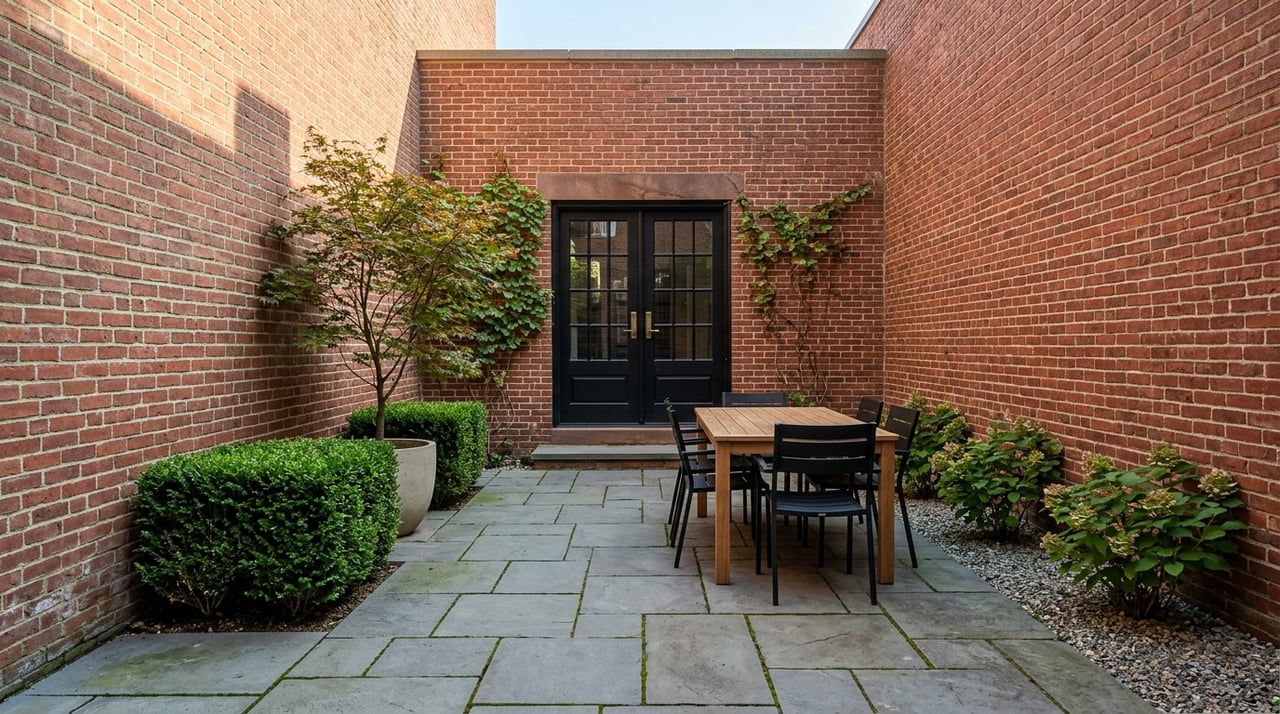
In an urban luxury setting, practical amenities often command outsized attention. Parking and storage remain valuable, and outdoor space continues to attract buyers when it is well integrated.
Back Bay’s rules also shape how these features appear. Roof decks, roof access structures, parking areas, and EV charging installations are regulated and expected to remain discreet. Buyers tend to respond best when these elements feel like part of the architecture, not like afterthoughts.
Location itself is a luxury amenity
Back Bay’s appeal is not confined to the residence. The neighborhood offers walkable streets, access to retail and dining corridors, connections to employment centers, and proximity to open space and the river.
For many buyers, that lifestyle value is central to the purchase decision. A home that pairs elegant interiors with immediate access to the best of central Boston can carry a very strong premium.
What stands out in the strongest Back Bay homes
When you step back, the wish list is fairly consistent. Luxury buyers in Back Bay are often looking for homes that combine architectural sensitivity with modern livability.
The most compelling properties usually offer:
- A preserved and context-appropriate exterior
- Bright, efficient floor plans with strong sightlines
- Flexible rooms for work, guests, or media use
- Tailored kitchens with premium, durable finishes
- Spa-like baths with comfort-driven features
- Quiet, high-performance heating and cooling systems
- Seamless smart-home integration
- Strong storage, and ideally parking or protected access
- Outdoor space that is discreetly and thoughtfully designed
In this market, luxury is less about spectacle and more about resolution. Buyers are looking for homes where the architecture, systems, finishes, and lifestyle all feel aligned.
If you are evaluating a Back Bay property, those are often the details that separate a home that simply looks expensive from one that feels genuinely exceptional. For tailored guidance on buying or positioning a design-sensitive home in Back Bay, connect with Penney + Gould.
FAQs
What do luxury buyers expect in Back Bay kitchens?
- Luxury buyers in Back Bay often expect kitchens with premium cabinetry, durable stone surfaces, refined fixtures, useful storage, and a layout that feels calm, efficient, and tailored to the home.
Why are modern systems important in Back Bay homes?
- Modern systems matter because buyers increasingly expect quiet heating and cooling, strong energy performance, and integrated comfort features that do not disrupt the home’s historic character.
Do Back Bay luxury buyers care about historic preservation?
- Yes. Back Bay’s preservation rules shape exterior changes, and many buyers value homes that respect original architectural character while delivering updated interiors and modern functionality.
What floor plan features matter most in Back Bay luxury homes?
- Buyers often look for bright layouts, higher ceilings, flexible rooms, strong storage, and spaces that support everyday living as well as entertaining.
Are parking and outdoor space valuable in Back Bay luxury real estate?
- Yes. Parking, storage, terraces, and roof decks can add meaningful appeal, especially when they are discreetly designed and integrated in a way that fits Back Bay’s architectural standards.