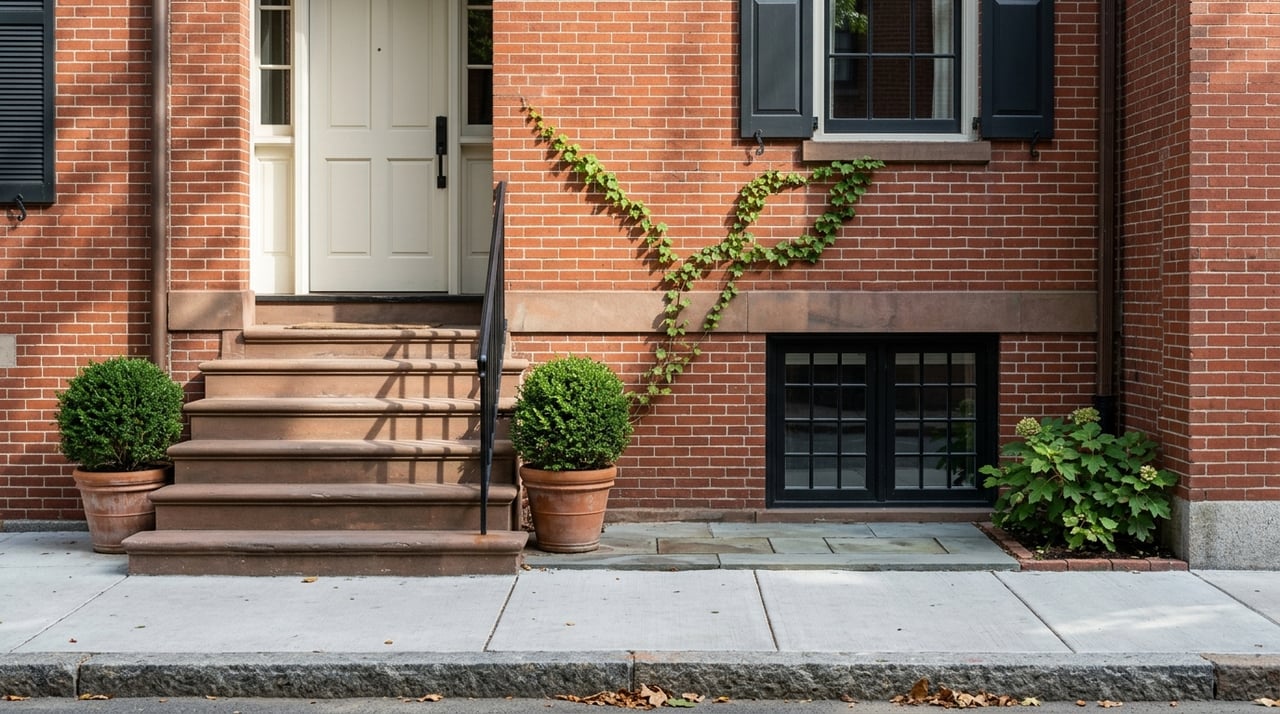
Thinking about buying a South End rowhouse so you can make it your own? That can be a smart move, but in this part of Boston, renovation potential is never just about what you want to change. It is also about what the property’s historic setting, exterior conditions, and approval path will allow. If you go in with a clear plan, you can spot value, avoid surprises, and budget more confidently. Let’s dive in.
Start With the South End Context
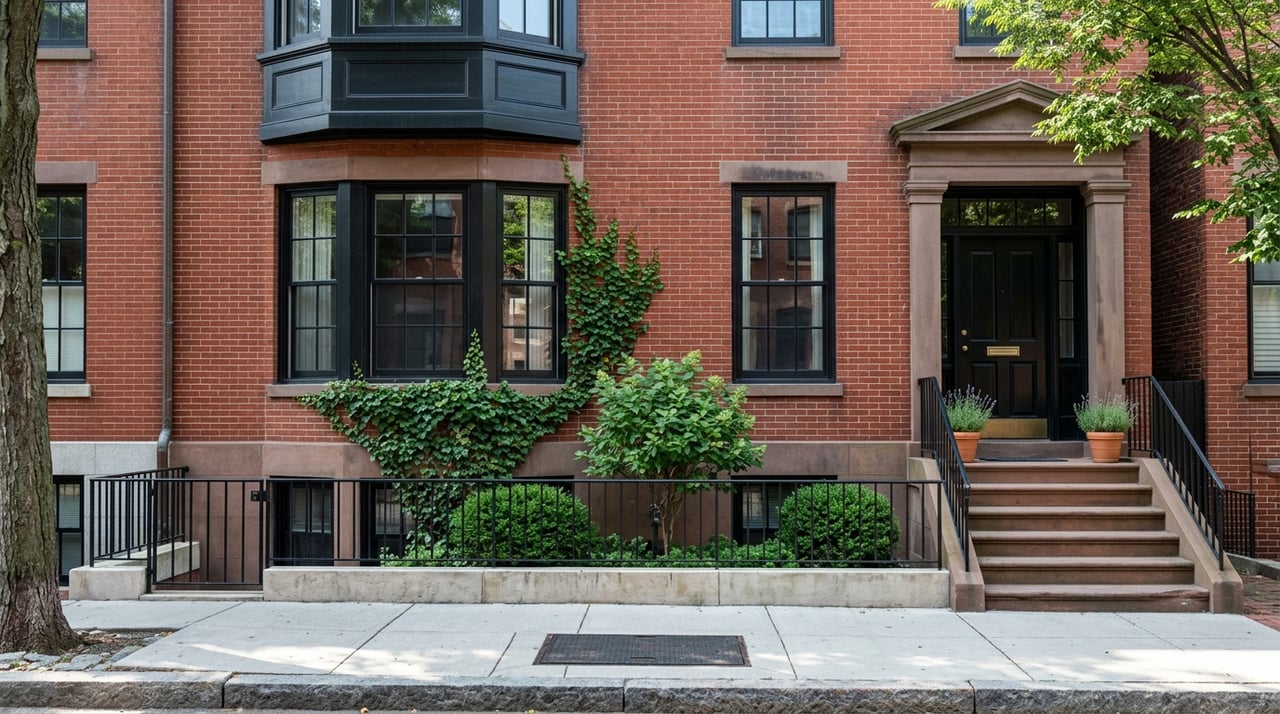
A South End rowhouse is not a blank canvas. The neighborhood was designated a Boston Landmark District in 1983, and Boston describes it as a cohesive district of 19th-century Victorian red brick rowhouses. That historic fabric still shapes how renovation projects are evaluated today.
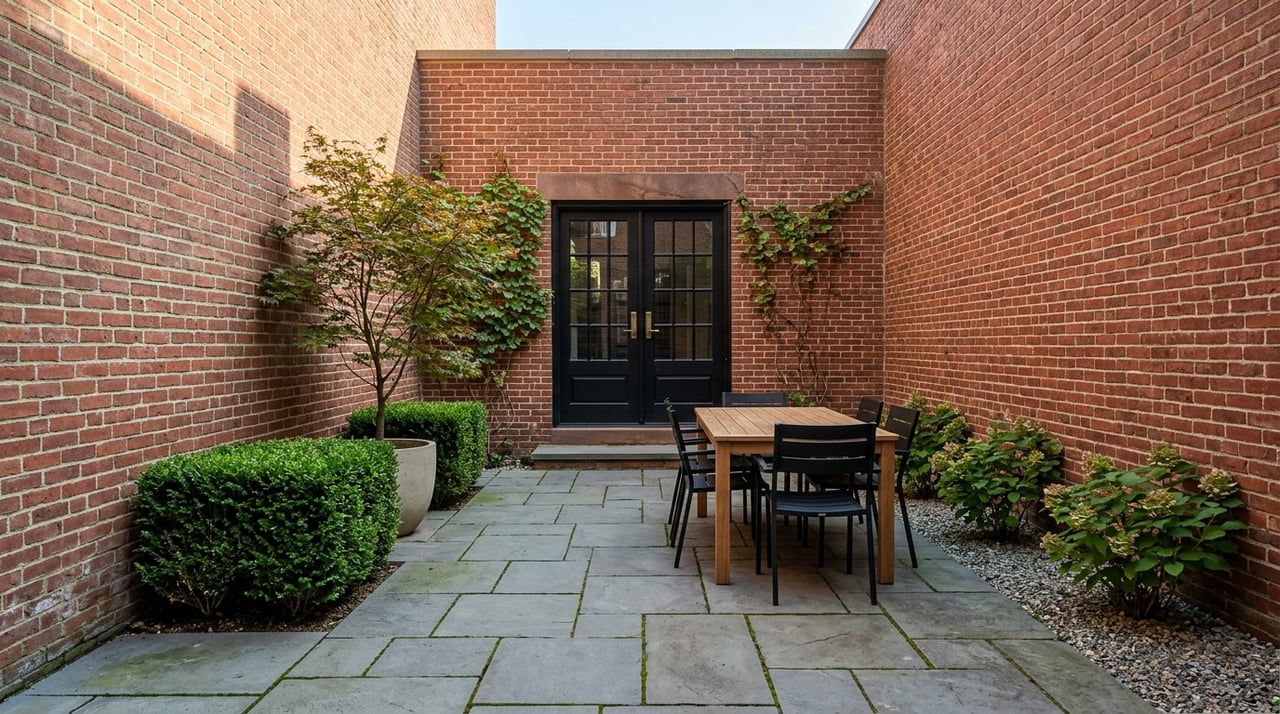
For most buyers, the key point is simple: visible exterior character comes first. The district standards focus most heavily on facades facing public streets and avenues, front yards, and roof portions visible from public streets. Rear and side walls are generally less scrutinized unless they directly face a public way.
That means your renovation planning should begin from the outside in. Before you start imagining a new kitchen or a reworked floor plan, you should first understand what parts of the building are likely to face historic review.
Confirm the Property’s Review Status Early
One of the first due-diligence steps is confirming whether the property sits in the core district or the Protection Area. Boston notes that the review scope differs, and the city advises buyers and owners to check the district map and contact staff early in the planning process.
This matters because timing can shift quickly if your project needs district review. Boston states that work subject to review must be approved before it begins, and a building permit cannot be issued before a Certificate of Design Approval or Exemption is issued.
If you are buying with renovation in mind, this is not a detail to leave for later. Early clarity can help you separate a realistic opportunity from a project that may take more time, money, and coordination than expected.
Know What Is Usually Easier to Change
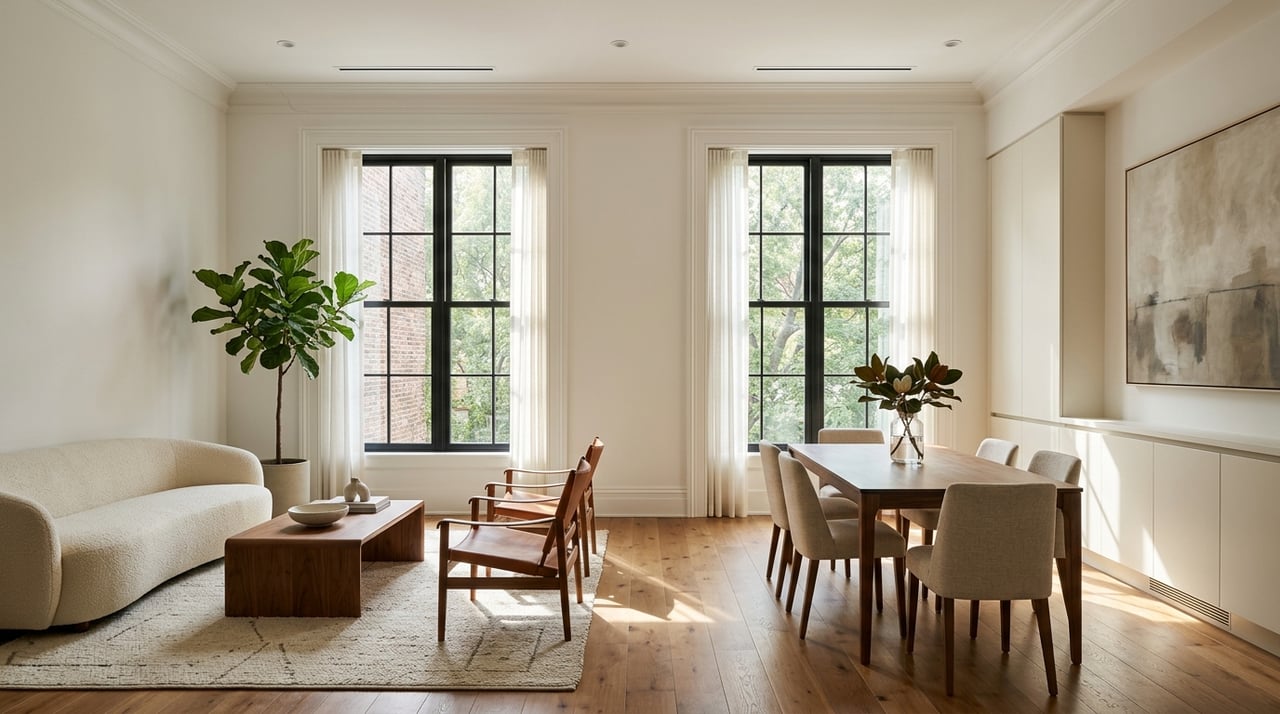
In many South End rowhouses, interior-only work is often more straightforward than exterior changes that are visible from the street. That does not mean interior projects are simple, but it does mean they are less likely to trigger South End Landmark District review if the work stays inside the building.
Boston’s permitting rules still apply. A Short-Form Permit covers minor alterations or repairs that do not change the structure or use, while a Long-Form Permit is required for structural changes such as opening a wall, creating a new window, or expanding a window opening.
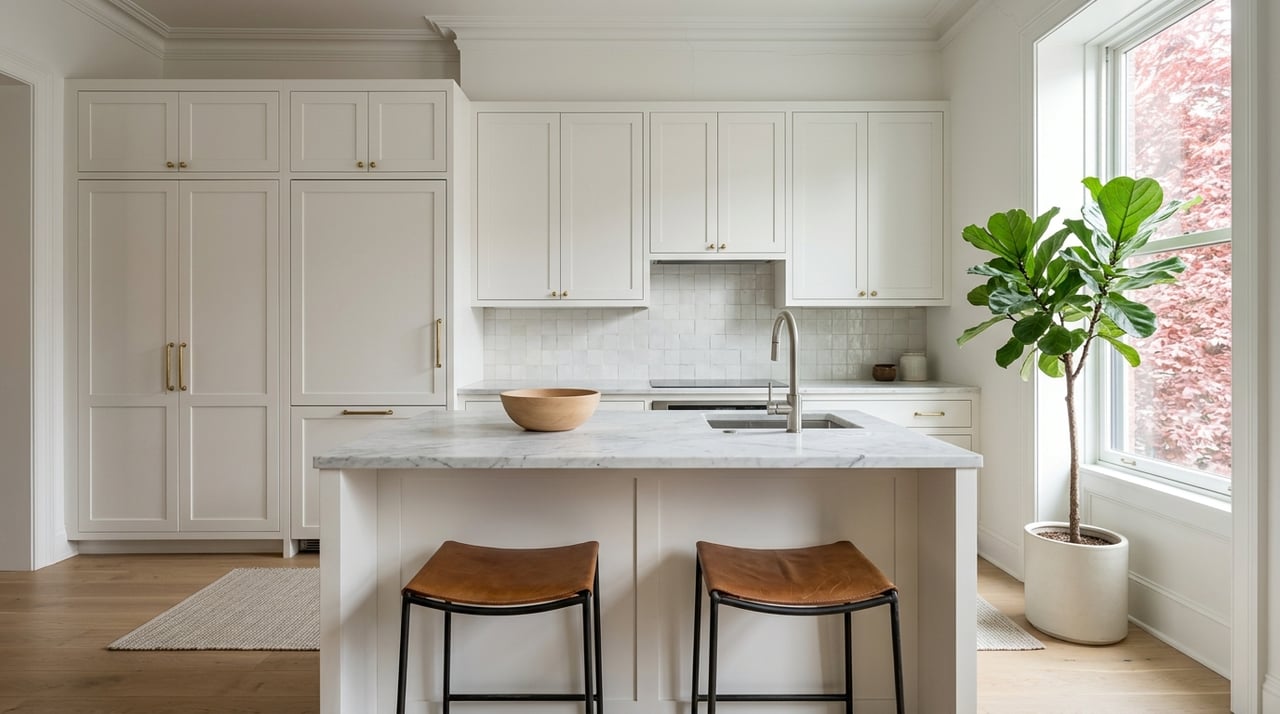
Kitchen and bathroom updates often seem cosmetic at first, but the scope can grow fast. If walls move, egress changes, or plumbing, electrical, and sheet-metal work is involved, the project can require multiple permits and licensed trades.
Understand What Gets Harder Fast
The hardest renovation ideas in the South End are often the ones that affect the building’s street-facing appearance or visible roofline. If your plan includes changing windows, altering an entry, adding a deck, moving equipment outdoors, or adjusting roof elements, you should expect more scrutiny.
Roof work is a good example. The district standards say roof decks should not be visible from any public way, and any visible railing must be black metal. Visible roof additions are generally discouraged, and skylights are never allowed on mansard roofs.
Mechanical systems also deserve close attention. The standards state that compressors should not be visible from any public way, front-yard placement is not appropriate, and wall penetrations on street-facing facades are considered inappropriate. In many cases, concealed roof or rear placement is the more workable path.
Inspect the Exterior With Preservation in Mind
A rowhouse may show beautifully at first glance and still carry hidden renovation risk. In the South End, some of the most important value and compliance questions are tied to exterior details that define the block.
Before you buy, pay close attention to these elements:
- steps and stoops
- cast-iron railings and decorative balconies
- entry doors, transoms, and sidelights
- windows and storm windows
- brick and brownstone masonry
- cornices, dormers, and roof materials
- visible vents, condensers, or rooftop equipment
Boston’s standards favor retaining and repairing original features where possible. That includes original entry doors, visible vestibule elements, cast-iron stair railings, and historically appropriate masonry.
Windows, Doors, and Masonry Matter More Than You Think
If you are comparing multiple properties, windows and masonry can tell you a lot. Boston encourages repair before replacement for windows and allows wood replacement windows that match the original dimensions and profile. Vinyl and vinyl-clad windows are not allowed.
That can affect both your budget and your future plans. A property with inappropriate replacements or undocumented exterior work may require extra investigation before you move forward.
Masonry is equally important. The standards call for retaining and repairing historically appropriate masonry walls, and repointing should match the original mortar in color, texture, joint width, and profile. Sandblasting is not approved, and covering masonry with another material is not allowed.
Budget for More Than Construction
When buyers think about renovation cost, they often focus on finishes. In the South End, a more accurate budget also accounts for review, documentation, coordination, and historically compatible materials.
That is especially true because the standards often favor repair over replacement. In practice, that can mean planning for wood windows, masonry restoration, concealed mechanical placement, detailed drawings, and a longer approval timeline.
A realistic renovation budget may include:
- architect or preservation consultant fees
- structural engineering for wall, stair, or opening changes
- plumbing, electrical, sheet-metal, and HVAC work
- restoration of masonry, roofing, and windows
- permit and review timing costs
- contingency for hidden conditions in an older rowhouse
Even a modest refresh can become a larger project once walls move or wet areas shift. Buyers who budget only for finishes often underestimate the true scope.
Plan Around the Approval Sequence
In South End projects, timing is part of the budget. The South End Landmark District Commission meets on the first Tuesday of each month, applications are accepted on a rolling basis, and Boston says staff must determine that an application is complete 15 business days before the hearing date.
That schedule can affect your renovation start date in a very real way. Boston also says you should not begin work or buy materials until after approval, and work should not begin before the permit is issued.
If work starts too early, Inspectional Services may charge double the permit cost or issue a code violation. For a buyer trying to line up contractors, move-in timing, and financing, that sequence matters.
Ask Better Questions Before You Close
A strong South End purchase strategy is not just about finding a beautiful rowhouse. It is about asking the right questions before the deal is done.
Questions for the inspector
- Which parts of the house appear to be original versus later replacement?
- Are there signs that windows, masonry, roofing, or mechanical systems were patched rather than properly repaired?
- Is there evidence of work that may have required permits or historic approval?
Questions for the architect
- Which elements are character-defining and likely to matter most in future review?
- Would your renovation goals stay within areas that are generally easier to change?
- Which ideas would trigger a Long-Form Permit, historic review, or both?
- Can the plan avoid visible roofline changes or street-facing mechanical equipment?
Questions for the contractor
- Have you completed projects in Boston historic districts before?
- Can you source wood windows, matching masonry materials, and non-reflective roof materials if needed?
- Are the plumbing, electrical, and sheet-metal trades properly licensed for the scope?
- How long do you expect the review and permit sequence to take before construction starts?
Think in Three Lenses
The best South End renovation decisions usually come from evaluating a property through three lenses at once: historic compatibility, city permitting, and practical construction scope. A rowhouse may be charming and well located, but if the systems are tired, the exterior has questionable prior work, or your wish list depends on visible changes, the project may be more complex than it first appears.
On the other hand, the right property can offer meaningful upside if you understand its constraints from day one. That is where architectural fluency, careful due diligence, and neighborhood-specific guidance can make a real difference.
If you are considering a South End rowhouse with renovation in mind, a measured strategy will serve you well. The goal is not just to buy a beautiful home, but to buy one whose next chapter is both achievable and well planned. When you want a research-driven perspective on South End housing stock, renovation potential, and buying strategy, connect with Penney + Gould.
FAQs
What should you check first when buying a South End rowhouse to renovate?
- Confirm whether the property is in the core South End Landmark District or the Protection Area, because the review scope can differ and affect your renovation plans.
What renovation work is most likely to face South End historic review?
- Exterior work visible from a public street or avenue, including street-facing facades, front yards, and visible roof elements, is most likely to receive close review.
What permit is needed for interior renovation in a South End rowhouse?
- Minor work that does not change structure or use may qualify for a Short-Form Permit, while structural changes, new or enlarged window openings, and some kitchen or bathroom reconfigurations require a Long-Form Permit.
What window replacements are allowed in the South End Landmark District?
- Boston encourages window repair before replacement, and replacement windows should be wood and match the original dimensions and profile. Vinyl and vinyl-clad windows are not allowed.
Can you add a roof deck to a South End rowhouse?
- Possibly, but roof decks are closely reviewed and should not be visible from any public way. If a railing is visible, it must be black metal.
Where can HVAC equipment go on a South End rowhouse?
- Mechanical equipment like compressors should not be visible from a public way, should not be placed in the front yard, and is generally better suited to concealed roof or rear locations.
Why do South End renovation budgets often run higher than expected?
- Costs can increase because projects may require design review, multiple city permits, licensed trades, historically compatible materials, and extra coordination time for older buildings.